


LUXER ONE BLOG

What Should Universities Look for in a Smart Locker System Integration?

smart locker integrations for universities

As universities modernize campus operations, smart lockers are becoming a bigger part of the conversation. While hardware is often top of mind, experienced decision makers know long term value lies in integration. That’s why institutions evaluating smart locker solutions should focus just as heavily on integration capabilities as physical design.

So what should universities actually look for when evaluating smart locker system integrations? In this blog, we’re answering the key questions universities consider, and how Luxer One supports those requirements.

What Does It Mean to Integrate with a Smart Locker System?

Integration means the locker system connects directly with the university’s existing platforms instead of operating as a standalone tool. Rather than creating separate accounts or manual processes, the locker software securely exchanges data with systems like the student information system, campus ID, housing, or access control platforms.

This allows user access to update automatically, enables credential based authentication, and reduces administrative workload. A seamless integration ensures smart lockers function as part of the campus ecosystem.

What systems should a smart locker solution integrate with?

At minimum, a smart locker system should integrate with the student information system (SIS) to automate user provisioning and deactivation. This ensures that when a student enrolls, transfers, or graduates, access updates automatically without requiring manual intervention.

Integration with campus ID systems and single sign-on (SSO) platforms is equally important. Allowing students, faculty, and staff to use their existing credentials streamlines the user experience while maintaining institutional security standards. Universities should also consider whether the locker platform can connect to housing system, access control software, or asset management tools, depending on the intended use case.

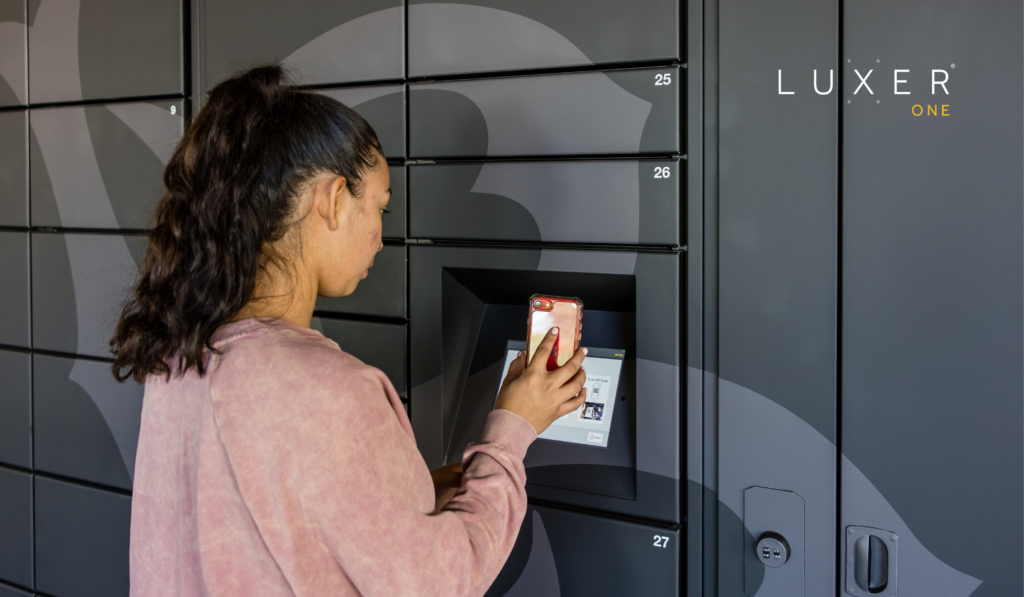
User scanning phone to open the Luxer One smart lockers

How does a smart locker system handle user authentication and security?

Security is non-negotiable in higher education environments. Universities should evaluate whether locker access can be tied directly to verified campus credentials rather than temporary codes or standalone accounts. Integration with SSO and identity management platforms strengthens authentication protocols and reduces the risk of unauthorized access.

In addition, institutions should ask about encrypted data transmission, secure APIs, and compliance with internal IT policies. A strong integration framework ensures that the locker system aligns with existing cybersecurity standards rather than creating new vulnerabilities.

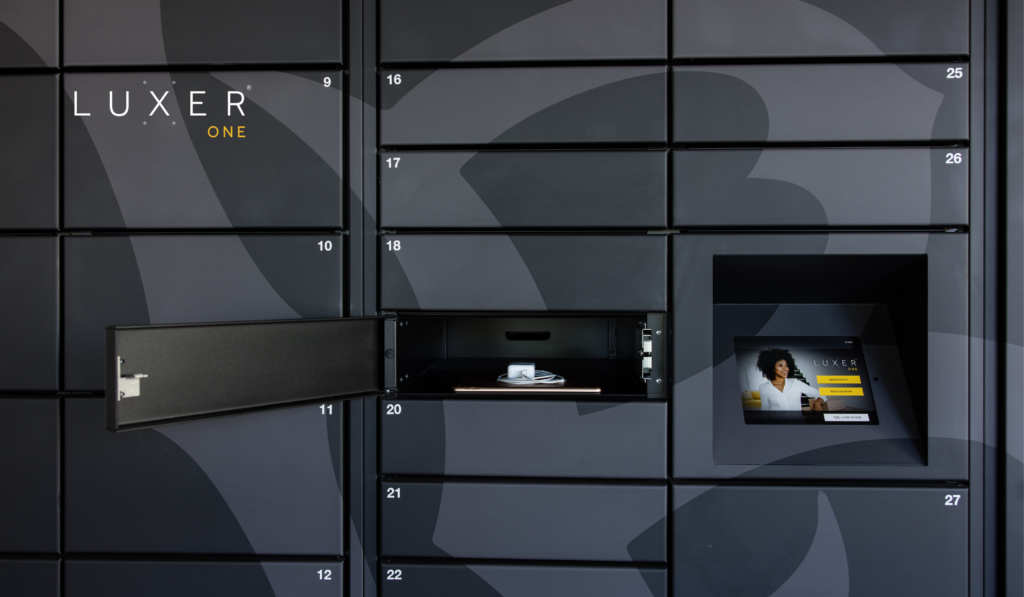
laptop and charger in smart locker for university

Will integrations reduce manual administrative work?

One of the biggest integration benefits is automation. Without integration, staff may need to manually upload user lists, manage access permissions, or reconcile transaction records. Over time, this creates unnecessary operational strain.

With proper integration, student and staff data can sync automatically. Notifications can be triggered without staff involvement. Reporting can feed directly into existing dashboards or be exported for internal analysis. Universities should prioritize systems that reduce manual touchpoints and eliminate repetitive administrative tasks.

Can a smart locker system support multiple departmental workflows?

Universities rarely use lockers for just one function. A single campus might use lockers for residential package management, IT asset distribution, library pickup, food pantry programs, or campus store BOPIS.

When evaluating integrations, decision makers should ask whether the platform can accommodate different workflows while still operating under a unified system. The ability to segment departments, manage permissions, and customize notifications within one integrated environment ensures scalability and efficienct.

What solutions does Luxer One integrate with?

Luxer One is designed to integrate directly into any existing campus technology environments. Some of our integrations include:

  • For facilities and access control:
    • FacilityOS (formerly SCLogic)
    • HID
  • For housing and campus life: 
    • StarRez
    • Transact
    • BearTracks
    • Brynka
  • Academic and library environments:
    • ALMA
    • Digital ID platforms
    • Illumia
    • SQBX 

What level of support is provided during implementation?

Even the strongest integration capabilities require thoughtful implementation. Universities should evaluate whether the provider offers structured onboarding, collaboration with campus IT teams, and clear documentation.

A strong partner will work alongside the institution to ensure integrations are configured correctly, tested thoroughly, and aligned with internal governance policies. 

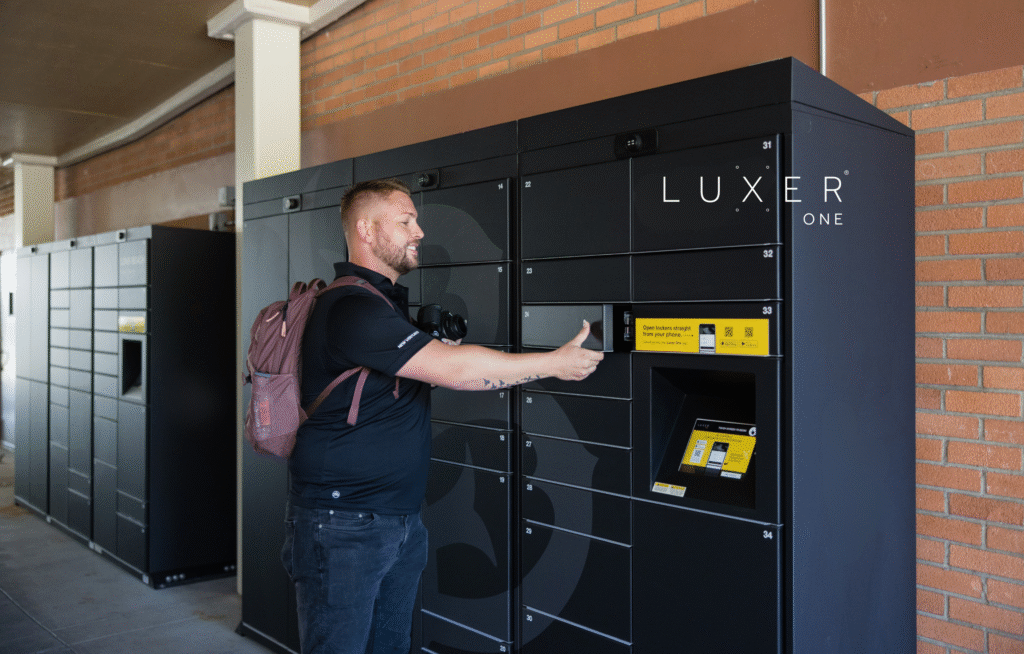
Student using smart locker on university campus

Conclusion

When evaluating smart locker systems, universities should look beyond the hardware and focus on integration as the foundation of long term success. Luxer One is designed not just to manage packages or assets, but to connect seamlessly with SIS platforms, campus ID systems, and institutional workflows.

By prioritizing integration, universities can reduce administrative burden, strengthen security, and implement a scalable infrastructure solution that supports students and staff across campus.

Contact us to get started!

  • Lauren Buote

    Lauren Buote is a Marketing Coordinator at Luxer One who blends her fine arts background from North Carolina State University, with marketing experience in small businesses and museums. She specializes in content and design that support Luxer One’s storytelling and brand growth in the Commercial sector.

    See Posts

RECENT POSTS

university package report 2025 data luxer one

University Package Volume Report: 2025 Academic Year

As universities modernize campus operations, smart lockers are increasingly part of the conversation. But while the hardware often gets the spotlight, experienced decision makers know the real long term value lies in integration. That’s why institutions evaluating smart locker solutions should focus just as heavily on integration capabilities as on physical design.
So what should universities actually look for when evaluating smart locker system integrations? In this blog, we’re answering the key questions universities should ask, and how Luxer One supports those requirements.

Read More »
Multifamily Tech Stack Optimization: Why Execution Matters More Than Tools

Multifamily Tech Stack Optimization: Why Execution Matters More Than Tools

When people ask me about multifamily tech stack optimization, they usually expect me to recommend a tool. Which platform is best? What AI solutions should we pilot? Are we missing any features?
But the real challenge in multifamily today is not choosing the right technology. It is executing on it. In my experience, multifamily does not have a knowledge problem. We have an execution problem. In the blog below we’ll navigate tech stack optimization and executing solutions well across your portfolio.

Read More »
What’s Included in a Smart Locker System?

What’s Included in a Smart Locker System?

Smart lockers have become one of the most effective ways for multifamily communities to manage growing package volumes while improving resident convenience. But if you’re evaluating solutions, one of the first questions you may ask is: what’s actually included in a smart locker system?
Below is a high-level breakdown of the core smart locker system features, what property managers should look for when evaluating solutions, and how leading systems like Luxer One are designed to support reliable package management.

Read More »
How to Launch Package Lockers in Your Community

How to Launch Package Lockers in Your Community

Installing a package locker system is a major upgrade for your community. But knowing how to launch package lockers properly is what turns a new system into a retention-driving amenity.
In today’s market, where residents are evaluating renewals earlier and weighing value more carefully, a smooth rollout can reinforce convenience, security, and operational excellence from day one.
If you are preparing to introduce lockers at your property, here are five strategic package locker launch ideas that protect your investment and elevate resident experience.

Read More »
What’s the Difference Between Electronic and Smart Lockers?

What’s the Difference Between Electronic and Smart Lockers?

If you’re researching package management solutions, you’ve likely come across both electronic lockers and smart lockers. While the terms are sometimes used interchangeably, they are not the same.
The main difference between electronic and smart lockers is connectivity and system intelligence.
Electronic lockers use digital access methods instead of traditional keys. Smart lockers go further by using cloud-based software, real-time tracking, integrations, and advanced management tools to automate and optimize the entire package workflow.
For multifamily property managers and owners, that distinction matters more than ever.

Read More »

TOPICS

Share: