


LUXER ONE BLOG

The State of the Hospitality Industry: Key Takeaways from The Hospitality Show 2025

The State of the Hospitality Industry: Key Takeaways from The Hospitality Show 2025

The hospitality industry is shifting fast. At The Hospitality Show 2025 in Denver, the signal was clear: growth isn’t coming from the same old playbook. Instead, hotels and resorts are doubling down on efficiency, guest-journeys, and strategic infrastructure. Here’s what the show revealed and what it means for operators heading into 2026.

From Recovery Mode to Strategic Growth

According to the American Hotel & Lodging Association (AHLA) 2025 report, the U.S. hotel industry is past the “bounce-back” phase and confronting rising costs, labour pressure, and evolving guest expectations. Travel volumes are near pre-pandemic levels, but occupancy gains alone won’t drive competitiveness anymore. Efficiency, differentiation, and technology must carry the next wave.

Guest Experience Is Now a Tech + People Balance

The buzz at the show heavily emphasised personalisation, automation, and the human touch. For example:

In short: the guest journey now spans digital check-in, app-driven services, seamless locker access or luggage drop-off, and human moments that can’t be automated. The winners will be the hotels that get this mix right.

Front desk staffer handing over access key card to guest at hotel

Operational Efficiency = Revenue Opportunity

One big theme at the show: efficiency isn’t just about cost-cutting. It’s about freeing your team to do higher-value work, using infrastructure smarter, and turning operations into revenue enablers. The AHLA report stresses that technology is “the single most powerful force driving the future of hospitality.”

Case in point: handling guest-packages, storage, luggage, and drop-offs are areas where manual workflows often drag down speed, satisfaction and margin. Investing in infrastructure that automates or streamlines these flows multiplies value: better guest experience + lower cost + new revenue possibilities.

The “Physical-Infrastructure Upgrade” Moment

At The Hospitality Show 2025, more focus than ever went to hardware-infrastructure not just software. The show floor unveiled modular locker systems, secure self-service storage, smart kiosks and integrated mobile access. According to the main show website this year, the floor was redesigned with “interactive zones” and “hundreds of innovative suppliers” to explore the latest tools across guest experience, operations and profitability.

This shift matters because while guest-apps and digital keys are critical, the physical infrastructure (lockers, storage, smart spaces) is what supports them. For example: a guest arriving early who wants to drop a bag might expect a self-service option. Having a modern locker infrastructure becomes part of your guest promise.

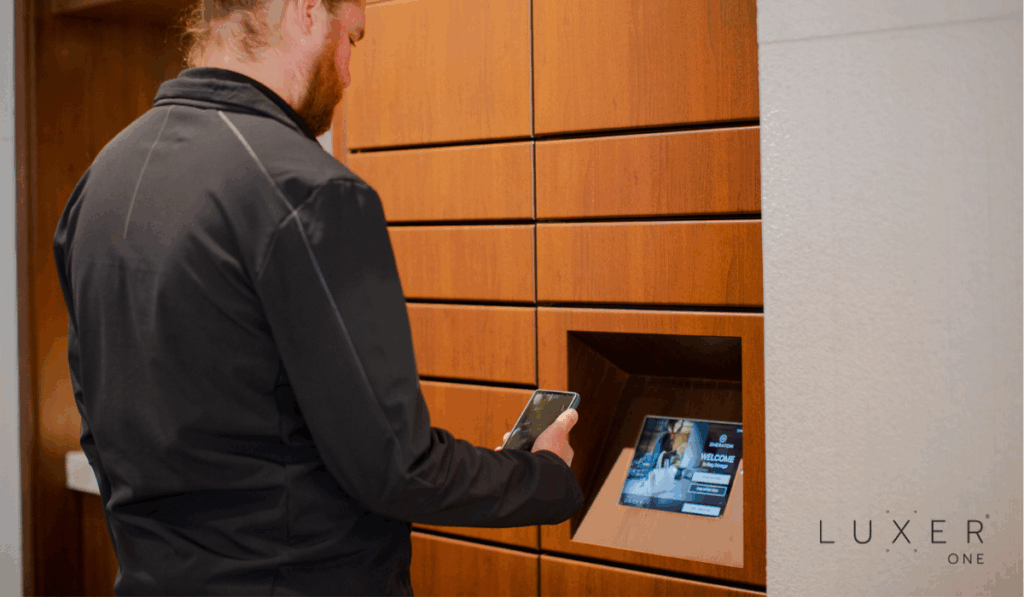
Hotel guest using mobile app to open smart lockers to pick up package

Sustainability, Wellness & New Revenue Streams

Beyond the tech, trends around sustainability, wellness, and new traveller segments were front and centre. The EHL report points out that luxury, wellness real-estate and remote-work enabled travel are reshaping hotel offerings.

From a practical lens: hotels are exploring how to monetise “ancillary services” (co-work spaces, premium luggage storage, late check-out drop-off zones) and how to position themselves as lifestyle destinations, not just places to sleep.

These shifts underscore that the state of the hospitality industry today requires thinking beyond room-nights: think guest flow, off-hours usage, multi-purpose spaces.

What Leaders Should Do Now

Given the trends and the show insights, here’s a checklist for hotel operators:

  • Map your guest-journey and identify friction points (check-in, luggage, packages, storage, late arrival).

  • Audit your hardware-infrastructure: lockers, smart storage, guest logistics — are they modern, mobile-integrated, guest-friendly?

  • Quantify operational cost-leaks: labour, guest waiting time, mis-handled packages or storage issues.

  • Link technology and infrastructure to revenue: how does an improved guest-logistics workflow contribute to guest spend, satisfaction, loyalty?

  • Plan for the next 12–18 months with both guest-experience and profit in mind: the state of the hospitality industry now demands both.
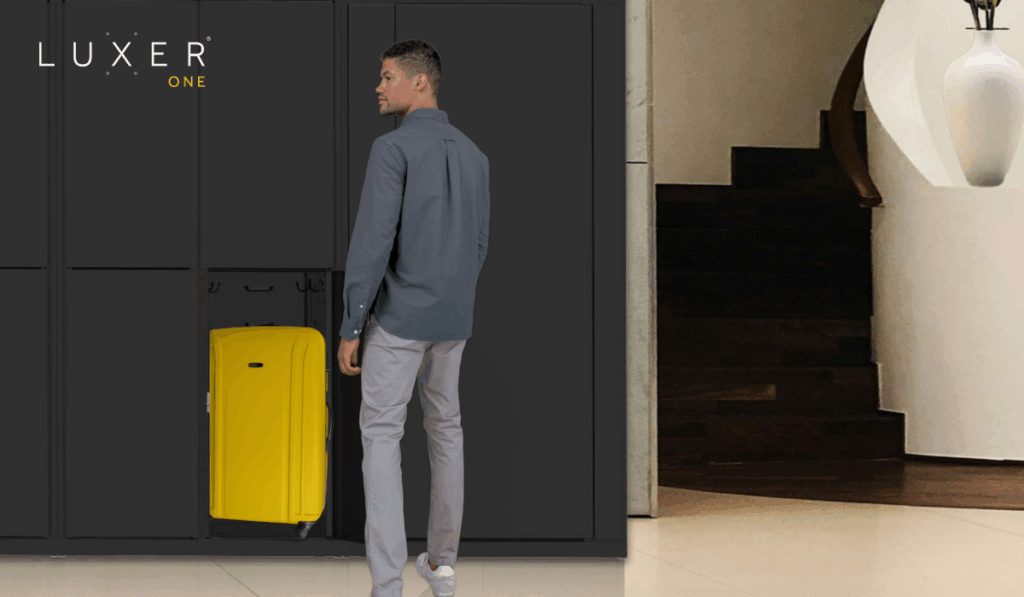
Hotel guest picking up luggage from storage lockers in lobby

Why We Showed Up

At The Hospitality Show 2025, we were onsite with our booth showcasing our automated package lockers and secure bag storage lockers: hardware and software solutions built for the hospitality domain. These offerings align perfectly with the trends we’ve just discussed: modern guest-journey logistics, self-service convenience, and infrastructure that supports both guest experience and operational efficiency. This includes new opportunities for revenue generation!

Let’s Talk

Want to explore how modern locker infrastructure can become a strategic asset for your property? Reach out to our team today to talk about our hotel-specific storage and guest-logistics solutions and how they can plug into your operations. Contact us and learn more about our hotel solutions.

  • Christina Draper

    Christina Draper, Marketing Content Manager at Luxer One, creates storytelling-driven content that connects with property management professionals and highlights innovations in multifamily package management. With a marketing background from UNC Charlotte, she develops cross-channel campaigns that showcase how Luxer One is redefining the resident experience.

    See Posts

RECENT POSTS

woman shopping in person pickup

Has Delivery Replaced Pickup? What the Data Says About Retail’s Next Chapter

Retailers face more choices than ever when it comes to fulfillment: ship-to-home, same-day delivery, third-party courier pick-ups, and in-store or curbside pickup (BOPIS – Buy Online, Pickup In-Store). Is the traditional in-person pickup model fading away in favor of delivery and third‐party logistics? Data suggests that in-store/curbside pickup remains not only relevant but increasingly important, in a transformed, omnichannel context.

Read More »
Best Practices For Package Locker Setup In Apartments

Best Practices For Package Locker Setup In Apartments

Package lockers have become an essential amenity in modern apartment communities. With daily delivery volumes rising and residents expecting secure self-service pickup, a well planned locker setup can make a major difference in resident satisfaction and staff efficiency. Below are the top questions property managers ask when planning a successful package locker deployment, along with practical best practices.

Read More »
The Future of Real Estate Technology: What Multifamily Leaders Should Prepare For Now

The Future of Real Estate Technology: What Multifamily Leaders Should Prepare For Now

Real estate tech is advancing faster than ever, and multifamily operators are feeling the shift across every corner of their portfolios. AI adoption is accelerating, centralized operations are becoming the standard, and residents expect more connected, digital-first experiences in their homes. Following recent industry conversations, including trends highlighted at OPTECH 2025, the future of real estate technology is taking shape around efficiency, data intelligence, automation, and resident expectations.
For multifamily leadership teams, understanding where the industry is heading is only half the challenge. The real task is identifying the practical steps to stay competitive today while preparing for what is next.
Below is a look at what is driving the future of real estate technology, supported by the latest industry data, along with actionable insights you can use to future-ready your operations.

Read More »
The Impact of Online Shopping on Multifamily and Why Package Management Matters More Than Ever

The Impact of Online Shopping on Multifamily and Why Package Management Matters More Than Ever

Online shopping continues to grow at a rapid pace, and multifamily communities are feeling the effects more than almost any other sector. In early 2025, U.S. e-commerce sales were up 5.3% year-over-year, reaching 15.5% of all retail spending, according to the U.S. Census Bureau. At the same time, global online shopping participation surpassed 2.7 billion digital buyers, reflecting a long-term shift toward online purchasing.
For multifamily operators, regional managers, and asset managers, this trend creates a daily operational reality: higher-than-ever delivery volume, greater pressure on staff, and the constant challenge of managing package piles at apartments. This blog breaks down how the surge in online shopping is reshaping multifamily communities and what forward-thinking properties are doing to keep up.

Read More »
How To Cut the Carbon Footprint From Package Deliveries in Your Community

How To Cut the Carbon Footprint From Package Deliveries in Your Community

As resident expectations rise and delivery volumes continue to grow, multifamily communities are looking for practical ways to cut the carbon footprint tied to daily package traffic. While sustainability efforts often focus on building operations or energy upgrades, last-mile delivery is an overlooked area where properties can make meaningful impact.
This guide answers common questions about where emissions come from, how operations contribute, and how modern tools including the sustainability of smart lockers can help communities reduce waste, streamline processes, and support broader ESG goals.

Read More »

TOPICS

Share: