

LUXER ONE BLOG

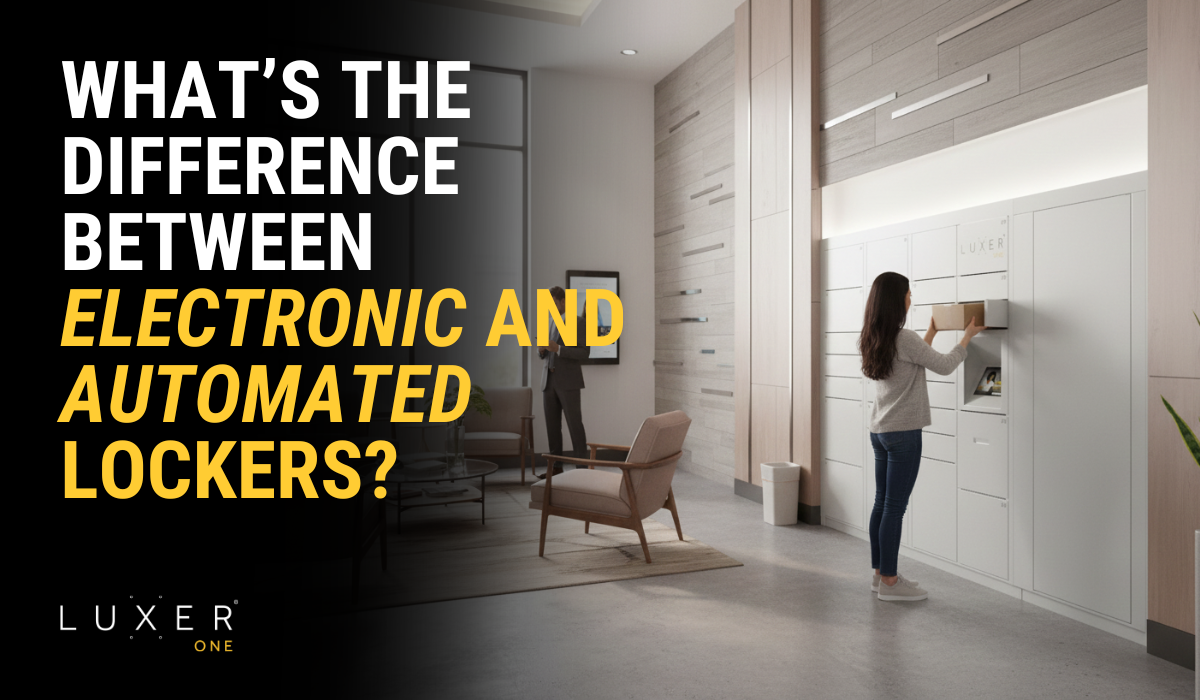
What’s the Difference Between Electronic and Smart Lockers?

What’s the Difference Between Electronic and Smart Lockers?

If you’re researching package management solutions, you’ve likely come across both electronic lockers and smart lockers. While the terms are sometimes used interchangeably, they are not the same.

The main difference between electronic and smart lockers is connectivity and system intelligence.

Electronic lockers use digital access methods instead of traditional keys. Smart lockers go further by using cloud-based software, real-time tracking, integrations, and advanced management tools to automate and optimize the entire package workflow.

For multifamily property managers and owners, that distinction matters more than ever.

As properties evaluate solutions, many are weighing onsite vs offsite package management models. Both promise convenience. Both aim to reduce staff burden. But the operational realities and resident experience can look very different.

Below we discuss what you should consider before deciding.

What Are Electronic Lockers?

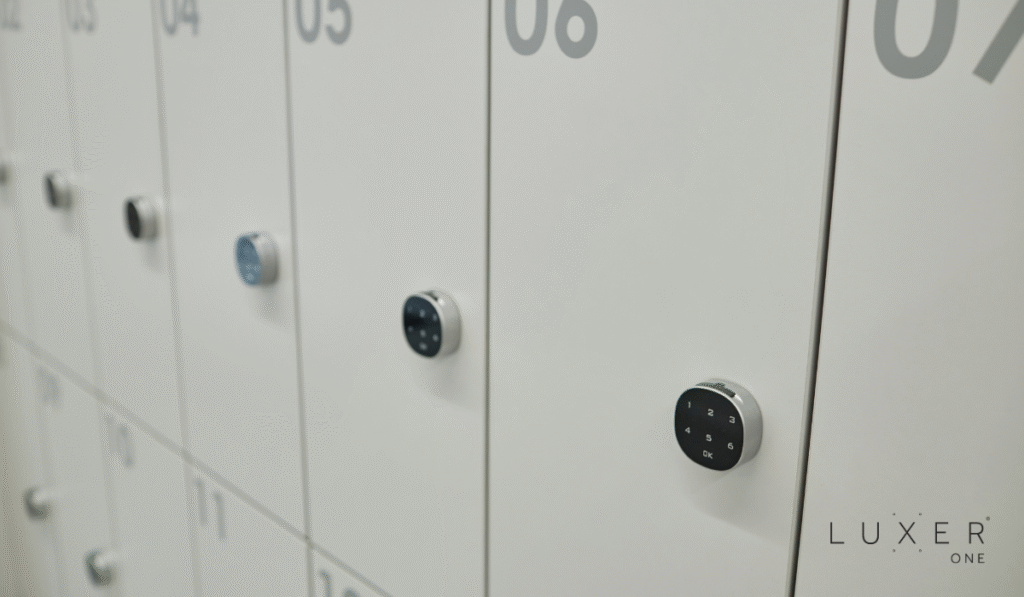
Electronic lockers are lockers that use digital locking mechanisms rather than mechanical keys or padlocks.

Typically, electronic lockers include:

  • PIN code entry or keypad access
  • Barcode scanning for package retrieval
  • Basic digital access control
  • Limited local system software


They eliminate manual key management and provide more control than traditional lockers. However, many electronic locker systems operate on standalone or limited software platforms. That means:

  • Minimal reporting
  • Limited integration with property management systems
  • Reduced visibility for staff
  • Basic notification capabilities


Electronic lockers improve access control, but they do not necessarily automate or optimize package management at scale.

Electronic lockers with keypads

What Are Smart Lockers?

Smart lockers are connected, software-driven systems designed to automate the entire package lifecycle.

They include electronic locking hardware, but also:

  • Cloud-based management software
  • Real-time tracking and reporting
  • Automatic resident notifications
  • Carrier workflow tools
  • Property management system integrations
  • Remote monitoring and diagnostics


In short, smart lockers are built as an operational system, not just a storage unit.

For growing communities facing rising delivery volume, this distinction becomes critical. As package volume continues to increase across multifamily properties, solutions must support efficiency, security, and visibility.

(See how rising delivery trends are shaping multifamily operations in this article on the growing demand for multifamily package solutions.)

Black smart locker system from Luxer One in apartment setting

Electronic vs Smart Lockers: Key Differences

Here’s a simplified comparison:

1. Connectivity

  • Electronic lockers: May operate locally with limited internet functionality.
  • Smart lockers: Fully cloud-connected for real-time system updates and reporting.


2. Automation

  • Electronic lockers: Basic digital access control.
  • Smart lockers: Automated notifications, tracking, and delivery workflows.


3. Data & Visibility

  • Electronic lockers: Limited usage reporting.
  • Smart lockers: Detailed reporting dashboards, analytics, and operational insights.
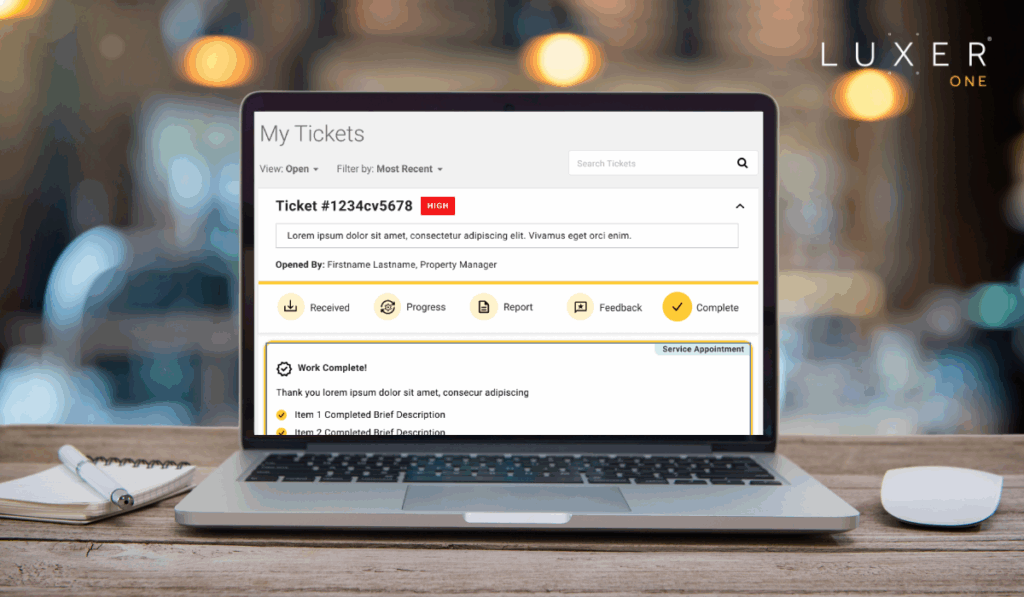
  • For example, platforms like the Luxer One Property Dashboard allow property teams to monitor locker usage, delivery trends, and system performance remotely.
Status tracking on the Luxer One Property Dashboard

4. Security

Both locker types improve security compared to unsecured package rooms. However, smart lockers often include:

  • Audit trails
  • Time-stamped delivery logs
  • Remote troubleshooting
  • Enhanced system oversight


If security is a top concern, it’s worth reviewing how modern systems address package protection in more detail in this guide on how secure package lockers are.


5. Scalability

Smart lockers are designed to evolve with your property. They can include specialized configurations such as:

Why the Difference Matters for Multifamily

For property managers and ownership groups, the conversation isn’t just about hardware. It’s about operations.

Electronic lockers may solve basic access control needs. Smart lockers address:

  • Staff time spent managing packages
  • Resident expectations for instant notifications
  • Reporting needs for ownership groups
  • Security concerns and liability
  • Long-term scalability


Additionally, when comparing storage strategies, some communities debate lockers versus open package rooms. If you’re weighing that decision, this breakdown of package rooms vs package lockers offers helpful context.

As delivery volume increases and resident expectations grow, many properties find that connected, software-driven systems provide greater long-term operational value.

Multiple packages in an oversized Luxer One package locker

Frequently Asked Package Locker Questions

If you’re exploring locker solutions, these additional resources may help:


The articles linked throughout this guide answer those common questions in more detail.

Choosing the Right Locker Solution

Understanding the difference between electronic and smart lockers helps clarify what your property truly needs.

Electronic lockers improve basic access control.

Smart lockers combine hardware, cloud software, automation, and reporting to create a full package management system.

For multifamily properties navigating rising delivery volume and growing resident expectations, that difference can significantly impact operations, security, and resident satisfaction.

If you’re ready to explore a modern, connected solution, contact Luxer One to upgrade to a smarter locker solution built for today’s multifamily communities.

  • Christina Draper

    Christina Draper, Marketing Content Manager at Luxer One, creates storytelling-driven content that connects with property management professionals and highlights innovations in multifamily package management. With a marketing background from UNC Charlotte, she develops cross-channel campaigns that showcase how Luxer One is redefining the resident experience.

    See Posts

RECENT POSTS

Onsite vs Offsite Package Management: What Multifamily Leaders Need to Know

Onsite vs Offsite Package Management: What Multifamily Leaders Need to Know

Package volume has fundamentally reshaped multifamily operations. What used to be a convenience has become a daily operational responsibility, a resident satisfaction driver, and in some cases, a liability risk.
As properties evaluate solutions, many are weighing onsite vs offsite package management models. Both promise convenience. Both aim to reduce staff burden. But the operational realities and resident experience can look very different.
Below we discuss what you should consider before deciding.

Read More »
The Rise of Build-to-Rent: What It Means for Proptech and the Future of Amenities

The Rise of Build-to-Rent: What It Means for Proptech and the Future of Amenities

Build-to-rent is no longer a niche concept. It is quickly becoming one of the most important shifts in the multifamily industry.
This is not a temporary response to interest rates or a passing housing cycle. We are watching the formation of a distinct asset class. And like any new asset class, it comes with a new operating model, new resident expectations, and new requirements for technology.
The mistake I see most often is treating build-to-rent as simply horizontal multifamily. It is not. The physical layout may resemble single-family homes, but the operational philosophy has to be entirely different.

Read More »
UL Certified Smart Lockers: Why Safety Certifications Matter More Than Ever

UL Certified Smart Lockers: Why Safety Certifications Matter More Than Ever

When evaluating package management systems, UL certified smart lockers should be at the top of your checklist.
In today’s regulatory environment, safety certifications are not optional. They protect residents, reduce liability for owners, streamline approvals for developers, and ensure long-term performance for operators. Understanding which smart locker safety certifications matter and why can help you make a more informed investment decision.

Read More »
How Package Management Improves Resident Safety in Apartment Communities

How Package Management Improves Resident Safety in Apartment Communities

Resident expectations are rising and so are concerns about security. In today’s multifamily environment, package delivery has become one of the most overlooked safety vulnerabilities on a property.
Strong package management solutions for resident safety are no longer optional amenities. They are operational safeguards that protect residents, preserve trust, and strengthen retention.
The question is no longer if packages create risk, but how to prevent that risk from escalating.

Read More »
NMHC Annual Meeting Recap: Stability, Smarter Strategy, and What Comes Next

NMHC Annual Meeting Recap: Stability, Smarter Strategy, and What Comes Next

Last month’s NMHC Annual Meeting felt different. Not louder or flashier, but steadier.
After several years of volatility (pandemic disruption, supply chain challenges, labor shifts, tariff uncertainty, and economic pressure) the tone this year was grounded. More thoughtful and strategic.
If we had to summarize this NMHC Annual Meeting recap in one word, it would be:
Hopeful.
But it wasn’t blind optimism. It was confidence built on experience. Here’s what stood out most and what it means for multifamily owners and operators heading into 2026.

Read More »

TOPICS

Share: