





LUXER ONE BLOG

Budget Season Is Here. What the Market Is Actually Telling You.

Budget Season Is Here. What the Market Is Actually Telling You.

August marks the start of budget season for most of the multifamily industry. Over the next 60 to 90 days, property managers are reviewing vendor contracts, owners are stress-testing their 2027 revenue assumptions, and developers are making go or no-go decisions on projects they have been holding.

Everyone is asking the same question: what kind of market are we actually planning into?

On the surface, the numbers look manageable. National occupancy is holding at 91.8%, average effective rents have settled around $1,752, and transaction activity is picking back up in several major metros. If you read only the top-line data, you might think 2027 planning is straightforward.

But the fuller picture is more complicated. And the details are exactly what matter when you are deciding what to cut, what to fund, and where the real risk lives heading into next year.

Here is a deeper look at five things every multifamily professional should understand right now.

1. Your Market May Not Look Like the National Average

When industry reports say the market has stabilized, what they really mean is that the national average has stabilized. That average covers a wide range of very different situations, and planning as if they are the same will lead to a budget miss.

The clearest example is the performance gap between new and older assets. Communities built in the last five years are averaging just 83.8% occupancy, while stabilized older assets are holding above 93%. That is more than a 10-point gap. If you own a lease-up property or have a delivery coming in 2027, you are not operating in the same market as someone running a 1990s-built garden community in Columbus, Ohio. A budget that treats those two situations the same will not hold up.

The geographic split is just as important. Sun Belt and Mountain West markets are still working through a significant concession cycle. Operators in Washington D.C., Colorado, and Arizona are offering $124 to $181 per unit in monthly concessions to stay competitive. At those levels, concessions are not a short-term leasing tactic. They are a recurring cost that has to be planned for, not around.

Midwest and secondary markets, where construction has been far more restrained, are a different story. Those markets are holding occupancy and pricing power with considerably less pressure. If your portfolio spans multiple regions, those differences need to show up at the submarket level in your 2027 projections, not just as a blended average.

What This Means For Your Budget:

A concession environment in Phoenix tells you very little about what to expect in Pittsburgh or Kansas City. Build your assumptions asset by asset, market by market. Operators who plan from local data are positioned to succeed.

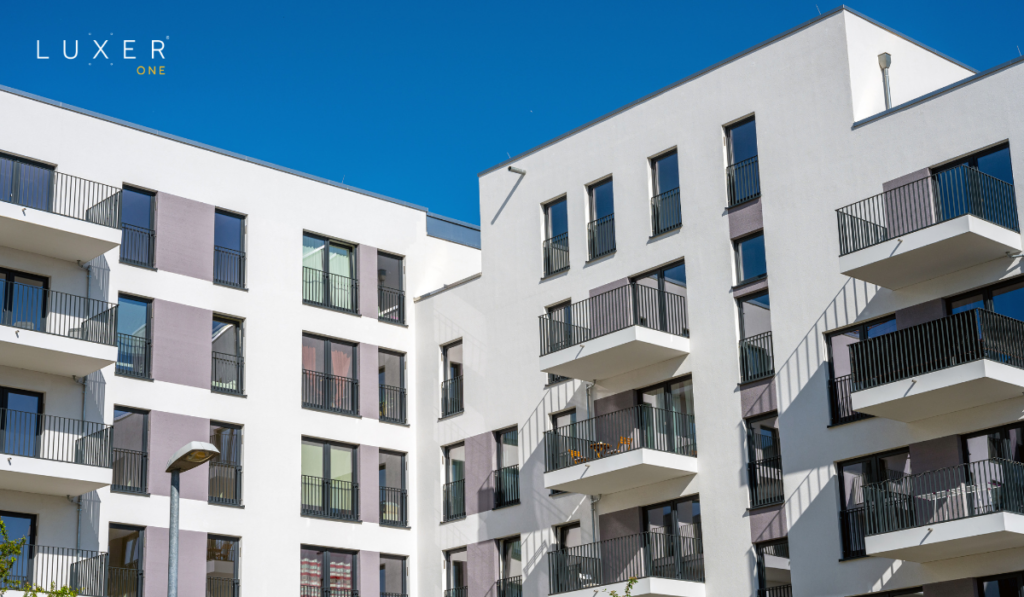
Mid-Rise Apartment Building

2. The Supply Pipeline Is Smaller Than It Looks

The national development pipeline sits at approximately 3.9 million units. That number gets cited frequently as a reason for concern. But understanding what it actually represents changes the picture significantly.

In fact, 70% of those units are still in the “proposed” stage. This means they have not broken ground, secured financing, or in many cases cleared entitlements. These are not projects that are about to deliver, but projects that someone, somewhere, has drawn up plans for. Whether they actually get built depends on a cost environment that is working against them.

Construction material costs are up more than 7% year-over-year, with key materials like iron, steel, and copper all up close to 18%. Multifamily starts hit a 15-year low in Q1 2026, a level not seen since the aftermath of the 2008 financial crisis. On top of that, the data center boom is pulling skilled construction labor away from residential projects. The result: fewer apartments will actually get built, and the supply pressure that hurt lease-up performance in 2024 and 2025 is already easing.

For stabilized asset owners, this is a real tailwind. Less new competition coming to market means more pricing power, and that should show up in your 2027 revenue assumptions.

For developers evaluating whether to move a proposed project forward, the picture is more nuanced. The cost environment makes caution necessary. But the demand environment makes indefinite delay costly too. The Harvard Joint Center for Housing Studies estimates a national housing shortfall of 4.7 million homes. That shortage is not limited to major metros. Secondary markets across the country face the same problem: more people need housing than construction can deliver. Developers who move with discipline in the next 12 to 18 months will be entering a market with less competition, not more.

What This Means For Your Budget:

Stabilized asset owners should build the supply slowdown into 2027 revenue assumptions as a tailwind. Developers weighing a go or no-go decision: the construction cost math is real, but so is the cost of sitting on the sideline while demand grows.

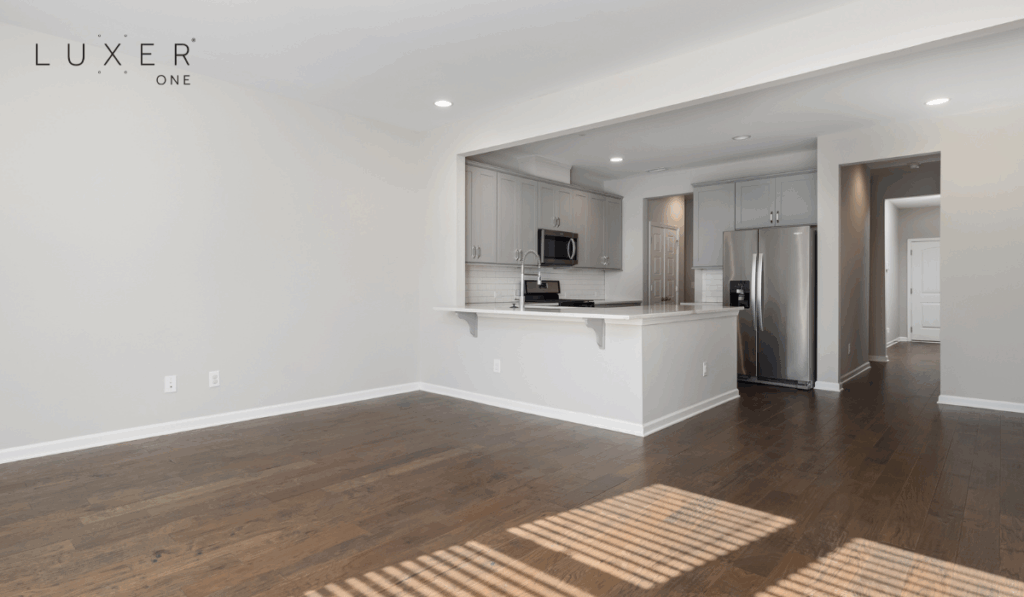
New apartment build that is empty and ready to be occupied

3. Long-Term Residents Have Higher Expectations

Nearly half of all U.S. renters are spending more than 30% of their income on housing. Among families with children under 18, that figure climbs to 54%. This level of financial pressure changes how residents behave, and it should change how operators think about renewals and operational investment.

When residents are financially stretched, they tend to stay longer. Not because they love where they live, but because moving is expensive and the alternatives are not obviously better. Today’s average renter is living through more life stages inside a single apartment than any previous generation: career changes, remote work transitions, growing families. The one-year lease, one-life-stage model does not reflect how people actually live anymore.

This matters because a resident who has been in your community for two or three years has formed a very specific opinion of it. They know which processes work and which ones do not. They’ve experienced how quickly maintenance responds. They know whether the package room is reliable, whether the parking gate works, whether the access system goes down on weekends. They are not comparing your community to a listing photo, but comparing it to every experience they have had living there.

Amenity lists attract new residents. Operational reliability keeps long-term ones. The communities holding occupancy through this market cycle are the ones competing on consistency, not on flashy new features. A malfunctioning package system or unreliable access control costs more in lost renewals than it costs to fix. A resident who is close to renewing and has dealt with six months of broken systems will not be swayed by new fitness equipment.

What This Means For Your Budget:

Before adding any new amenity line to your 2027 budget, conduct an honest audit of what you already have. Walk through the resident experience yourself: submit a maintenance request, try the package room, test the access points. If something is broken or inconsistent, fix it before you fund anything new. Retention spend outperforms acquisition spend on ROI, and the longer a resident has lived in your community, the more their renewal decision comes down to whether the basics work.

4. Your Tech Stack Is Probably Costing More Than You Think

Here is a number worth sitting with as you head into vendor contract season: the average multifamily operator manages between 10 and 20 separate technology providers. Each one has its own login, support line, training requirement, and renewal date. Each one made promises about integration that may or may not have been kept.

Now layer in the staffing reality. The industry saw more than 9,300 onsite manager changes in a single 90-day window. Every time a team member leaves, someone new has to rebuild the relationship with every vendor, relearn every platform, and re-establish every support contact, usually while also getting up to speed on the community itself.

The real cost of a fragmented tech stack is not the subscription fees. It is the staff time required to manage it, the training that resets with every hire, and the gaps that open up when no one knows who to call when something breaks. These costs are real, but they rarely appear on a single line item. They hide inside labor hours, missed service standards, and resident friction.

The industry is already moving toward cutting down on vendors. Operators who trim and consolidate their tech stack ahead of budget season are building a more resilient operation. The ones who simply auto-renew everything are carrying a hidden cost that does not show up until something breaks.

At Luxer One, this is exactly why we built Luxer Access: to bring all access points (video intercom, smart locks, package access, parking, self-guided tours, etc.) onto one platform with one support team and one renewal conversation. Fewer vendors, fewer handoffs, and infrastructure that holds up through staff changes.

What This Means For Your Budget:

Before setting your 2027 tech budget, run a quick audit. For each platform you pay for, ask:

  • Is it actively saving staff time or improving the resident experience?
  • Could it be replaced by something you already pay for?
  • Does the vendor support you when your team changes, or does the relationship reset every time?


Then go a step further: calculate how many staff hours per month each vendor relationship actually requires. This includes logins, support calls, training new hires, troubleshooting integrations, and beyond. That number is your true cost, and it is almost always higher than the subscription fee alone.

Resident approaching a multifamily building entrance equipped with a Luxer Access video intercom.

5. Fee Transparency Is Becoming Law

The fee transparency movement in rental housing is no longer a policy debate. It is becoming law, and it is moving faster than most operators’ budget cycles.

Seattle passed a rental junk fee ban in August by an 8-0 city council vote, effective July 2027. The ordinance eliminates administrative service charges, pet rent add-ons, and package fees. It also requires landlords to disclose the full cost of housing upfront, before a prospective resident signs or pays any application fees.

Seattle is not an outlier. The National Apartment Association tracked 140 fee transparency-related bills in the 2025 legislative session alone. The FTC is actively developing a potential rule on rental fee disclosure at the national level. The D.C. Attorney General sued a major apartment REIT this spring for allegedly hiding the true cost of rent from prospective tenants. The regulatory pressure is moving in one direction.

Operators who treat this as a future compliance problem are already behind. The practical question for budget season is this: if the fees currently in your lease had to be disclosed upfront or eliminated, what would your effective rent actually look like? Do you know the answer?

Properties that have already built pricing around full transparency will have a competitive advantage when these laws arrive in their markets. Properties that have not will face both a compliance cost and a leasing conversation they are not ready for.

What This Means For Your Budget:

Add a fee audit to your 2027 planning process. Start by listing every charge in your current lease; admin fees, pet fees, package fees, parking, utilities markups, and any others. Then model two scenarios: one where those fees are disclosed as part of an all-in monthly number, and one where they are eliminated entirely. The gap between your current advertised rent and your all-in number is your exposure. The sooner you understand it, the more time you have to redesign your pricing before the law forces your hand.

Property manager giving potential residents a tour

The Bottom Line for Budget Season

The 2027 market is not uniform, and a budget that treats it as such will miss. The operators who come out ahead will be the ones who built their assumptions on local market trends rather than national headlines, who invested in operational reliability rather than new amenities, and who got ahead of regulatory and vendor risk before it became urgent.

Budget season is the best time to ask hard questions. The data is available and the direction is clear. The only variable is whether you act on it now or wait until the pressure forces your hand.

Download the Q3 2026 Market Snapshot for More

Want the data behind this analysis? Download the Q3 2026 Market Snapshot, our one-page reference covering national occupancy by state, concession levels by region, pipeline breakdown, top H1 transaction markets, and construction cost benchmarks.

Join The Multifamily Brief Insider List for More

Already on the list? Check your email for this month’s resources!

  • Christina Draper

    Christina Draper, Marketing Content Manager at Luxer One, creates storytelling-driven content that connects with property management professionals and highlights innovations in multifamily package management. With a marketing background from UNC Charlotte, she develops cross-channel campaigns that showcase how Luxer One is redefining the resident experience.

    See Posts

RECENT POSTS

What Your Mid-Year Multifamily Market Report Reveals About 2026 Multifamily Market Trends

What Your Mid-Year Multifamily Market Report Reveals About 2026 Multifamily Market Trends

Budget season is here, and with it comes the same question every property manager, owner, and developer is asking: what does the rest of 2026 actually look like, and what should that mean for 2027?
That’s why we built the Mid-Year Multifamily Market Report: a data-backed snapshot of the multifamily market trends shaping occupancy, pricing, supply, and operations right now, with a clear “what it means” takeaway for every finding.

Read More »
luxens on the rise employee highlight

Luxens on the Rise: Employee Highlight | Ryan Hellwig

At Luxer One, growth is part of the job. We prioritize promoting from within, provide clear paths for advancement, and encourage every team member to explore new opportunities! Our Luxens on the Rise series highlights team members who have carved their own paths within the company, taking on new challenges and evolving their careers along the way.

Read More »
Food pantry on college campus

How Do Food Pantries Work on College Campuses?

Universities are facing pressure to manage technology as conveniently as students and faculty experience other aspects of campus life.

Traditional distribution methods often struggle to keep up with demand. Manual checkouts, limited office hours, long lines, and inconsistent tracking can create challenges for IT teams and students. As campuses continue modernizing operations, many universities are rethinking their IT equipment distribution process.

Read More »
How to Prepare for the Prime Day Effect on Multifamily Communities

How to Prepare for the Prime Day Effect on Multifamily Communities

Amazon Prime Day isn’t just a shopping holiday anymore, it’s a logistical event that reshapes how communities handle deliveries. Not to mention it feels like they add a new Prime event every year! With the October Prime Day approaching, multifamily properties should expect another surge of packages that can rival peak holiday season. For property managers and regional managers, the Prime Day effect on multifamily means crowded lobbies, strained staff, and rising resident expectations for seamless service.
But with the right preparation, you can turn this challenge into an opportunity to boost resident satisfaction and prove your property is ahead of the curve.
If you’re asking yourself “What is the best package management solution for my community?”, you’re in the right place. Below, we’ve outlined the most common questions property managers face, along with insights from our Multifamily Guide to Package Management.

Read More »

TOPICS

Share: