

LUXER ONE BLOG

What’s the Difference Between Electronic and Automated Lockers?

What’s the Difference Between Electronic and Automated Lockers?

If you’re researching package management solutions, you’ve likely come across both electronic lockers and automated lockers. While the terms are sometimes used interchangeably, they are not the same.

The main difference between electronic and automated lockers is connectivity and system intelligence.

Electronic lockers use digital access methods instead of traditional keys. Automated lockers go further by using cloud-based software, real-time tracking, integrations, and advanced management tools to automate and optimize the entire package workflow.

For multifamily property managers and owners, that distinction matters more than ever.

As properties evaluate solutions, many are weighing onsite vs offsite package management models. Both promise convenience. Both aim to reduce staff burden. But the operational realities and resident experience can look very different.

Below we discuss what you should consider before deciding.

What Are Electronic Lockers?

Electronic lockers are lockers that use digital locking mechanisms rather than mechanical keys or padlocks.

Typically, electronic lockers include:

  • PIN code entry or keypad access
  • Barcode scanning for package retrieval
  • Basic digital access control
  • Limited local system software


They eliminate manual key management and provide more control than traditional lockers. However, many electronic locker systems operate on standalone or limited software platforms. That means:

  • Minimal reporting
  • Limited integration with property management systems
  • Reduced visibility for staff
  • Basic notification capabilities


Electronic lockers improve access control, but they do not necessarily automate or optimize package management at scale.

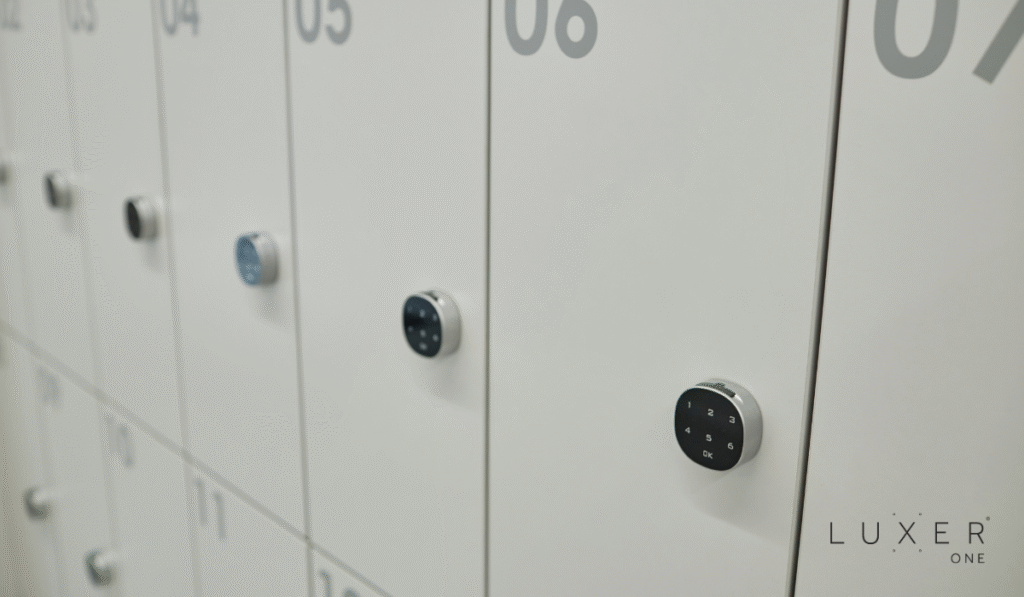
Electronic lockers with keypads

What Are Automated Lockers?

Automated lockers are connected, software-driven systems designed to automate the entire package lifecycle.

They include electronic locking hardware, but also:

  • Cloud-based management software
  • Real-time tracking and reporting
  • Automatic resident notifications
  • Carrier workflow tools
  • Property management system integrations
  • Remote monitoring and diagnostics


In short, automated lockers are built as an operational system, not just a storage unit.

For growing communities facing rising delivery volume, this distinction becomes critical. As package volume continues to increase across multifamily properties, solutions must support efficiency, security, and visibility.

(See how rising delivery trends are shaping multifamily operations in this article on the growing demand for multifamily package solutions.)

Black smart locker system from Luxer One in apartment setting

Electronic vs Automated Lockers: Key Differences

Here’s a simplified comparison:

1. Connectivity

  • Electronic lockers: May operate locally with limited internet functionality.
  • Automated lockers: Fully cloud-connected for real-time system updates and reporting.

2. Automation

  • Electronic lockers: Basic digital access control.
  • Automated lockers: Automated notifications, tracking, and delivery workflows.

3. Data & Visibility

  • Electronic lockers: Limited usage reporting.
  • Automated lockers: Detailed reporting dashboards, analytics, and operational insights.
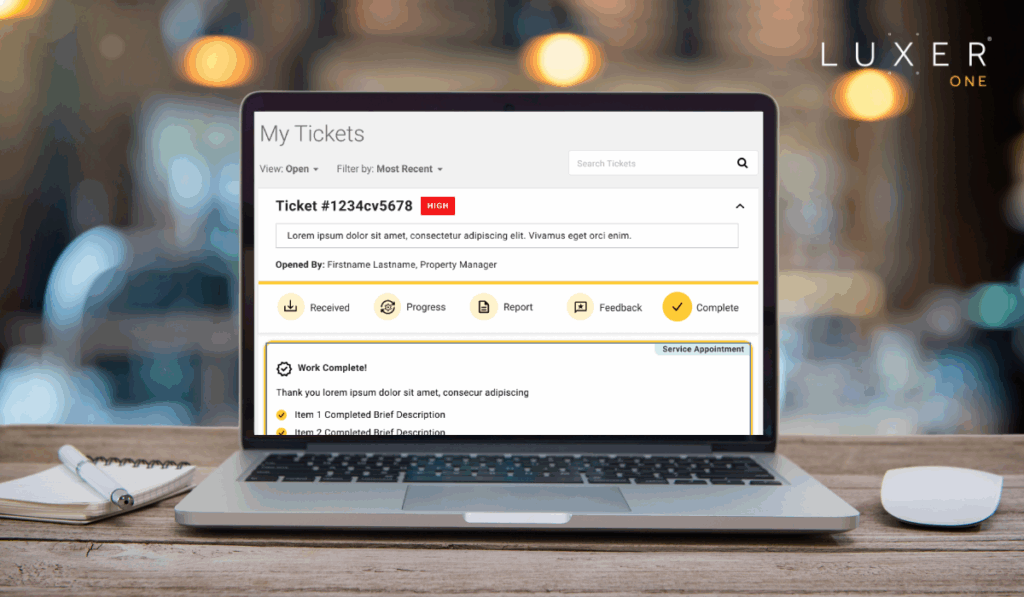
  • For example, platforms like the Luxer One Property Dashboard allow property teams to monitor locker usage, delivery trends, and system performance remotely.
Status tracking on the Luxer One Property Dashboard

4. Security

Both locker types improve security compared to unsecured package rooms. However, automated lockers often include:

  • Audit trails
  • Time-stamped delivery logs
  • Remote troubleshooting
  • Enhanced system oversight

If security is a top concern, it’s worth reviewing how modern systems address package protection in more detail in this guide on how secure package lockers are.

5. Scalability

Automated lockers are designed to evolve with your property. They can include specialized configurations such as:

Why the Difference Matters for Multifamily

For property managers and ownership groups, the conversation isn’t just about hardware. It’s about operations.

Electronic lockers may solve basic access control needs. Automated lockers address:

  • Staff time spent managing packages
  • Resident expectations for instant notifications
  • Reporting needs for ownership groups
  • Security concerns and liability
  • Long-term scalability

Additionally, when comparing storage strategies, some communities debate lockers versus open package rooms. If you’re weighing that decision, this breakdown of package rooms vs package lockers offers helpful context.

As delivery volume increases and resident expectations grow, many properties find that connected, software-driven systems provide greater long-term operational value.

Multiple packages in an oversized Luxer One package locker

Frequently Asked Package Locker Questions

If you’re exploring locker solutions, these additional resources may help:


The articles linked throughout this guide answer those common questions in more detail.

Choosing the Right Locker Solution

Understanding the difference between electronic and automated lockers helps clarify what your property truly needs.

Electronic lockers improve basic access control.

Automated lockers combine hardware, cloud software, automation, and reporting to create a full package management system.

For multifamily properties navigating rising delivery volume and growing resident expectations, that difference can significantly impact operations, security, and resident satisfaction.

If you’re ready to explore a modern, connected solution, contact Luxer One to upgrade to a smarter locker solution built for today’s multifamily communities.

  • Christina Draper

    Christina Draper, Marketing Content Manager at Luxer One, creates storytelling-driven content that connects with property management professionals and highlights innovations in multifamily package management. With a marketing background from UNC Charlotte, she develops cross-channel campaigns that showcase how Luxer One is redefining the resident experience.

    See Posts

RECENT POSTS

Food pantry on college campus

How Do Food Pantries Work on College Campuses?

Universities are facing pressure to manage technology as conveniently as students and faculty experience other aspects of campus life.

Traditional distribution methods often struggle to keep up with demand. Manual checkouts, limited office hours, long lines, and inconsistent tracking can create challenges for IT teams and students. As campuses continue modernizing operations, many universities are rethinking their IT equipment distribution process.

Read More »
How to Prepare for the Prime Day Effect on Multifamily Communities

How to Prepare for the Prime Day Effect on Multifamily Communities

Amazon Prime Day isn’t just a shopping holiday anymore, it’s a logistical event that reshapes how communities handle deliveries. Not to mention it feels like they add a new Prime event every year! With the October Prime Day approaching, multifamily properties should expect another surge of packages that can rival peak holiday season. For property managers and regional managers, the Prime Day effect on multifamily means crowded lobbies, strained staff, and rising resident expectations for seamless service.
But with the right preparation, you can turn this challenge into an opportunity to boost resident satisfaction and prove your property is ahead of the curve.
If you’re asking yourself “What is the best package management solution for my community?”, you’re in the right place. Below, we’ve outlined the most common questions property managers face, along with insights from our Multifamily Guide to Package Management.

Read More »
What Apartmentalize 2026 Told Us About the State of the Multifamily Industry

What Apartmentalize 2026 Told Us About the State of the Multifamily Industry

Every June, the multifamily industry converges in one city to do something that doesn’t happen the rest of the year: slow down long enough to look up.
Apartmentalize 2026 brought that moment to New Orleans. And what the conversations, sessions, and hallway exchanges reflected was an industry in genuine transition. Not crisis nor boom, but something more nuanced than either of those words captures.
A sector that is recalibrating. Figuring out what works, what doesn’t, and what has to change.
Here is what stood out.

Read More »
What It Actually Takes for a Property to Run in Perfect Rhythm

What It Actually Takes for a Property to Run in Perfect Rhythm

Most property managers and regional managers don’t describe their job as managing amenities or overseeing systems. They describe it as keeping everything moving.
Leasing. Renewals. Maintenance requests. Resident communication. Vendor relationships. Staff coverage. And somewhere in the middle of all of that, making sure the day-to-day experience of actually living in their community feels effortless for the people who call it home.
That is a lot to hold together. And the bar keeps rising.

Read More »
locker revolution

Partner Spotlight: Zacch Stottsberry, Locker Revolution

At Luxer One, our VAR (Value Added Reseller) partners are a big part of what makes our solutions work in the real world. Our Partner Spotlights highlight the people solving real operational challenges every day.

This month, we’re featuring Craig Meddin, Founder and CEO of Postal Solutions. With more than 25 years in the industry, Craig has built a business centered on helping properties simplify mail and package management, not just with technology, but with the right systems behind it.

Read More »

TOPICS

Share: