


LUXER ONE BLOG

Ready for Travel Season? Here Are 5 Tips for a 5 Star Guest Experience

hotel experience

The start of June marks the official start of travel season. Hotels have the opportunity to deliver five-star experiences that keep travelers returning year after year. Creating memorable stays doesn’t always require major renovations or luxury upgrades. Often, the biggest impact comes from thoughtful service and technology that makes travel easier.

Guest have higher expectations around convenience than ever before. According to a recent PwC consumer survey, 73% of consumers say customer experience is an important factor in their purchasing decisions, yet only 49% feel companies consistently provide a good experience. In hospitality, where guest satisfaction directly impacts online reviews, repeat bookings, and brand reputation, every interaction matters.

Whether you manage a boutique hotel, extended-stay property, or large resort, these five strategies can help improve operations, increase guest satisfaction, and create experiences guests will remember long after checkout.

1. Optimize the Check-In Process

First impressions matter. Long waits at the front desk or confusing check-in procedures can start a guest’s stay on the wrong foot.

Modern travelers expect the same convenience from hotels that they receive from airlines, retailers, and other service providers. Mobile check-in, self-service options, and digital room keys allow guests to skip lines and begin enjoying their stay sooner.

These tools don’t just benefit guests, they also help staff focus on service rather than administrative tasks. During busy travel periods, reducing congestion at the front desk can significantly improve both guest satisfaction and operational efficiency.

Mobile check-in, self-service options, and digital room keys allow guests to skip lines and begin enjoying their stay sooner.

2. Upgrade Your Amenities

People expect more than just a comfortable bed when they book a stay. Amenities often play a major role in overall guest satisfaction and can be a deciding factor when choosing between properties.

Reliable high-speed Wi-Fi is no longer considered a luxury, it’s an expectation. Business travelers need dependable connectivity for work, while leisure travelers rely on internet access to stream content, plan activities, and stay connected with family and friends.

Hotels should also evaluate amenities that support convenience and inclusivity. Expanded breakfast options, fitness centers with extended access hours, charging stations, and allergy-friendly food offerings can make a meaningful difference in the guest experience. Small investments in these areas often generate outsized returns in reviews and repeat visits.

3. Go Beyond the Stay

Guest experience doesn’t begin at check-in or end at checkout. Early arrivals and late departures are common during peak travel season, creating a challenge for both guests and hotel staff. Travelers often find themselves with several hours to fill while managing luggage that limits their mobility and enjoyment.

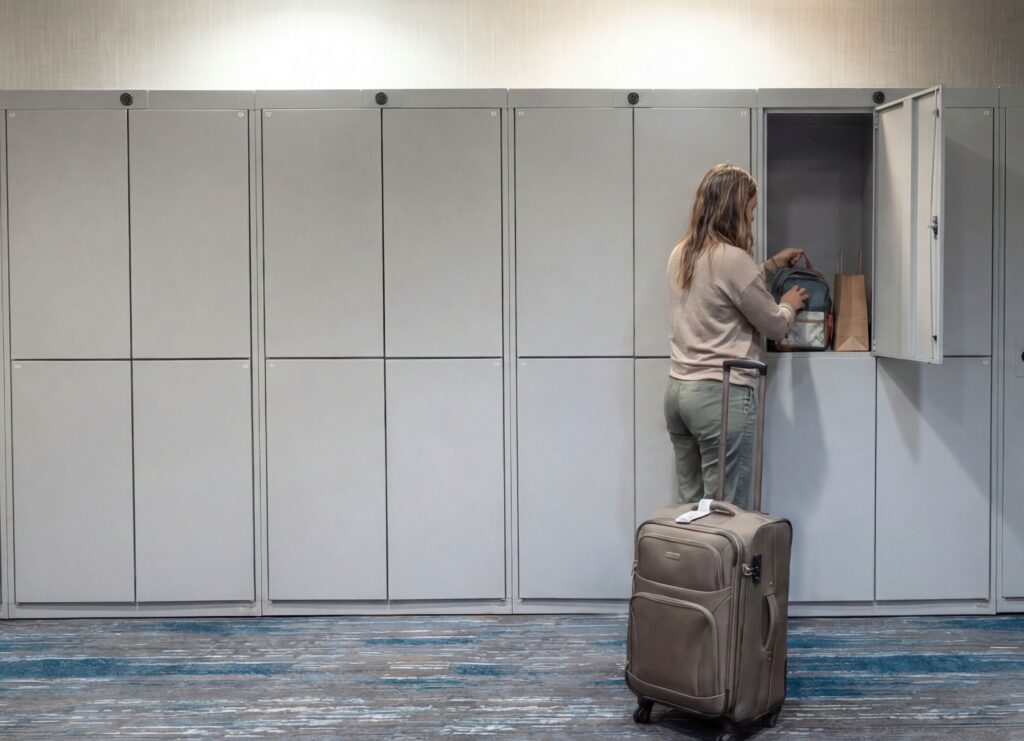
Instead of storing bags behind the front desk, hotels can offer secure self-service luggage lockers. Guests gain the freedom to explore the city, attend meetings, or enjoy local attractions without dragging luggage along. At the same time, hotel staff spend less time managing baggage storage requests.

This simple service creates a more seamless travel experience while reducing operational strain during busy periods.

4. Simplify Package Management

Deliveries don’t stop just because you’re traveling.

Business travelers, conference attendees, and extended-stay guests increasingly rely on package deliveries during their stay. Whether receiving work materials, personal items, or online purchases, guests expect a convenient and secure retrieval process.

Managing dozens of deliveries behind the front desk can quickly become overwhelming, especially during peak occupancy periods. Lost packages, misplaced deliveries, and interruptions to front desk operations can negatively affect both staff productivity and guest satisfaction.

Smart package lockers provide an automated alternative. Guests receive instant notifications when deliveries arrive and can retrieve items whenever it’s convenient for them. The result is a more organized operation, fewer package inquiries, and a better overall experience.

Lost packages, misplaced deliveries, and interruptions to front desk operations can negatively affect both staff productivity and guest satisfaction.

5. Elevate In-Room Experience

After a long day of travel, sightseeing, or meetings, guests retreat to their room expecting comfort, functionality, and relaxation.

While major renovations can certainly improve the guest experience, many impactful upgrades are relatively simple. Plush bedding, blackout curtains, premium toiletries, bedside charging stations, streaming-enabled televisions, and thoughtful welcome amenities can all contribute to a more enjoyable stay.

The key is creating a room environment that feels both comfortable and intuitive. Guests notice when hotels anticipate their needs and remove common frustrations. These small details often become the moments guests remember most when leaving reviews or deciding where to book their next trip.

Technology Is Reshaping Guest Expectations

Technology has become one of the most influential factors in modern hospitality. According to Oracle Hospitality research, 73% of travelers are more likely to stay at hotels that offer self-service technology options, while many guests say contactless experiences improve convenience throughout their stay.

From mobile check-in and digital keys to package management and luggage storage, technology helps hotels deliver faster service without sacrificing hospitality. The goal isn’t to replace human interaction, it’s giving staff more time to focus on meaningful guest engagement while routine tasks become automated.

As travel volumes continue to grow, hotels that embrace guest-centric technology will be better positioned to differentiate themselves and build lasting loyalty.

Create a Better Guest Experience with Luxer One

At Luxer One, our proven solutions help hotels across the country deliver better guest experiences through smart locker solutions. Our systems provide secure, contactless access that modern travelers expect, reducing labor costs and allowing properties to earn recurring revenue on locker rentals.

Whether guests need a safe place to store luggage before check-in, receive a package during an extended stay, or retrieve belongings after checkout, smart lockers create a seamless experience from arrival to departure. This travel season, give your guests the convenience they expect and your staff the tools they need to operate more efficiently.

Learn more about our Hotel Solutions!

  • Lauren Buote

    Lauren Buote is a Marketing Coordinator at Luxer One who blends her fine arts background from North Carolina State University, with marketing experience in small businesses and museums. She specializes in content and design that support Luxer One’s storytelling and brand growth in the Commercial sector.

    See Posts

RECENT POSTS

how can universities manage it equipment distribution

How Can Universities Manage IT Equipment Distribution?

Universities are facing pressure to manage technology as conveniently as students and faculty experience other aspects of campus life.

Traditional distribution methods often struggle to keep up with demand. Manual checkouts, limited office hours, long lines, and inconsistent tracking can create challenges for IT teams and students. As campuses continue modernizing operations, many universities are rethinking their IT equipment distribution process.

Read More »
luxens on the rise ashley b

Luxens on the Rise: Employee Highlight | Ashley Blakely

At Luxer One, growth is part of the job. We prioritize promoting from within, provide clear paths for advancement, and encourage every team member to explore new opportunities! Our Luxens on the Rise series highlights team members who have carved their own paths within the company, taking on new challenges and evolving their careers along the way.
Read More »
Parcel Locker Solutions for Canadian Multifamily Communities

Parcel Locker Solutions for Canadian Multifamily Communities

Canadian multifamily communities are experiencing a major shift in parcel management. As online shopping continues to grow and resident expectations rise, developers and operators are under increasing pressure to modernize how deliveries are handled.
That is why more properties are investing in parcel locker solutions that improve security, simplify parcel management, and create a better resident experience.
According to recent research from Mordor Intelligence, the Canadian courier, express, and parcel market is projected to grow to more than USD $20 billion by 2031, driven largely by continued eCommerce growth and increasing delivery demand. For multifamily operators, that means parcel volume is not slowing down anytime soon.

Read More »
Boost Resident Retention with Reliable Partners

Resident Retention Starts With Reliable Multifamily Partners

Resident retention has become one of the most important metrics in multifamily housing and one of the hardest to maintain. Today’s residents expect convenience, consistency, and responsive service across every touchpoint of their living experience. When operations fall short, frustration builds quickly.
That’s why more property and regional managers are reevaluating not just the amenities they offer, but the multifamily technology partners behind them.
Reliable partners don’t just help properties run smoothly. They directly support resident satisfaction, operational consistency, and long-term asset value.

Read More »
what is the best way to manage packages in a university mailroom?

What Is the Best Way to Manage Packages in a University Mailroom?

University mailrooms are under more pressure than ever. As online shopping continues to grow, campuses are receiving an unprecedented volume of packages each day, often without the staffing or storage space to keep up. For many universities, the question is no longer whether a new system is needed, it’s what is the best system to use?

Read More »

TOPICS

Share: