


LUXER ONE BLOG

Top Retail Trends for 2025: Insights and Strategies for Success

Top Retail Trends for 2025: Insights and Strategies for Success
As we transition into 2025, the retail industry continues to experience seismic shifts driven by evolving consumer behaviors, technological advancements, and economic realities. Staying ahead of these changes is essential for businesses aiming to thrive in this competitive landscape. Here’s an in-depth look at the top retail trends reshaping the industry, supported by recent data.

The Rise of Retail Giants

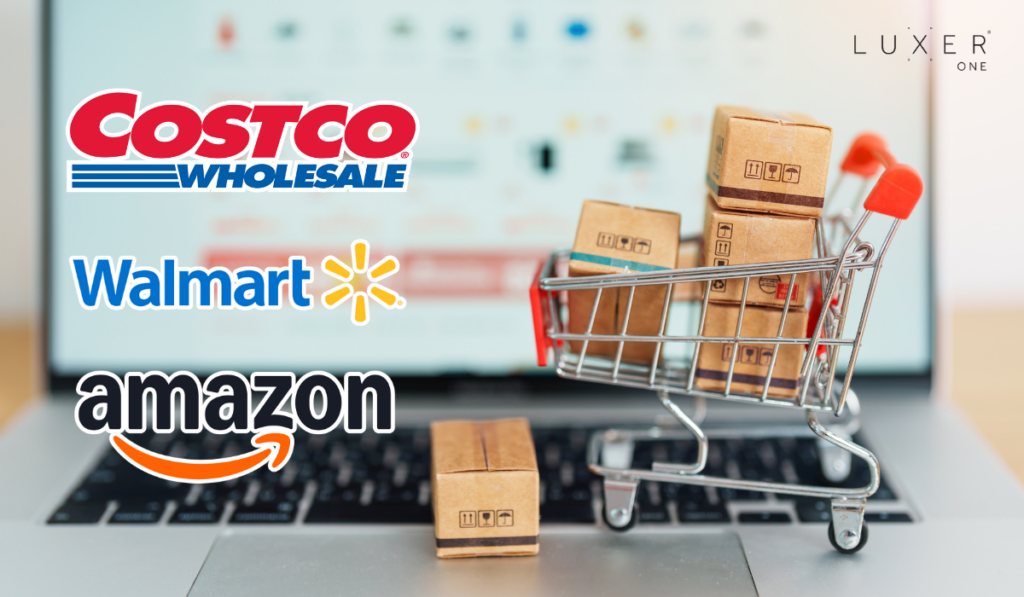
The dominance of major retail chains is becoming more pronounced. In the U.S., powerhouse brands like Costco, Walmart, and Amazon now account for approximately 17% of retail sales and a staggering 57% of retail sales growth. This consolidation poses significant challenges for smaller retailers, which struggle to compete with the pricing, convenience, and vast offerings of these giants.

Commerce Giants Continue to Grow in 2025

Economic Pressures and Bankruptcy Surges

Economic pressures have also led to a surge in retail bankruptcies, further altering the competitive landscape. Bankruptcy filings increased by 33.5% in the 12 months leading up to September 30, 2024, with industries like retail, healthcare, and casual dining hit particularly hard. This trend underscores the importance of adaptability and resilience in the face of shifting market conditions.

Consumers Demand More Value

Meanwhile, consumers are making value-driven choices more than ever. During 2024, many opted for discount stores for grocery shopping and chose fast food or home-cooked meals over dining out. This shift highlights the growing importance of affordability and perceived value in purchasing decisions.

Store Closures and Job Losses

The industry is also grappling with significant store closures and job losses. Over 170,000 retail jobs were lost in 2024—a 42% increase from the previous year—alongside more than 13,000 store closures. These statistics reflect the sector’s ongoing restructuring and the increasing shift toward e-commerce and streamlined operations.

The Continued Growth of E-Commerce

Despite these challenges, e-commerce continues to be a bright spot. Global retail sales are projected to reach $30.6 trillion in 2024, with online platforms contributing significantly to this growth. Retailers that prioritize robust digital strategies are well-positioned to capture the expanding base of online shoppers.
BOPIS Smart Lockers Are Revolutionizing Online Shopping in 2025

Adapting to Trends with BOPIS Lockers

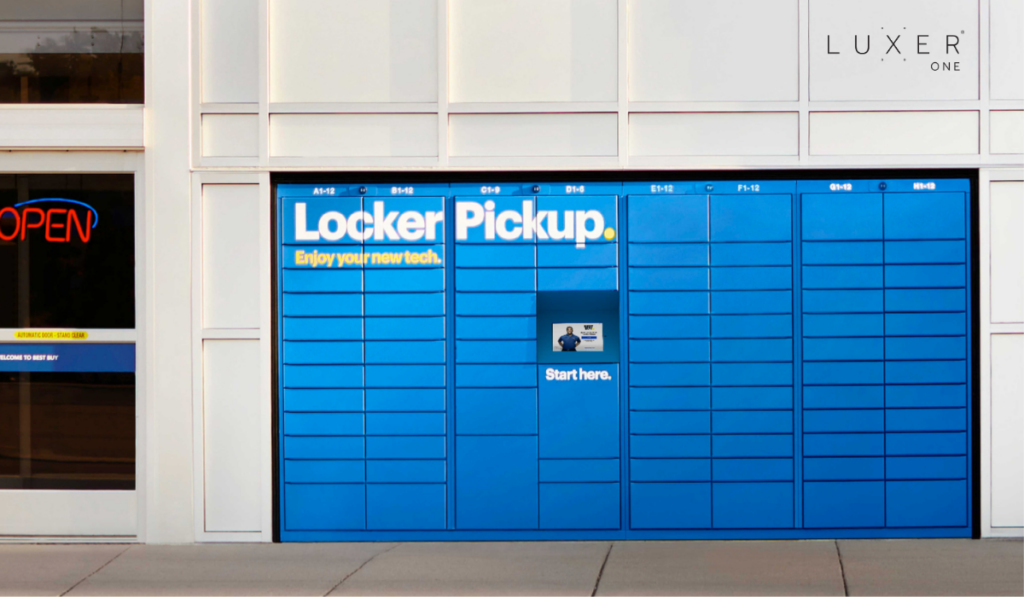
In this ever-changing landscape, efficient Buy Online, Pick Up In Store (BOPIS) solutions are more critical than ever. Luxer One’s smart lockers provide a secure, contactless, and seamless pickup experience, meeting consumer demands for safety and convenience. Retailers leveraging these solutions report reduced wait times, streamlined operations, and improved customer satisfaction.

To discover how Luxer One can enhance your retail operations, visit us at the National Retail Federation (NRF) conference in New York at Booth #533. Let’s discuss how our innovative solutions can help you navigate the challenges and opportunities of the evolving retail industry.

Learn more about our retail solutions now when you contact us today!

  • Christina Draper

    Christina Draper, Marketing Content Manager at Luxer One, creates storytelling-driven content that connects with property management professionals and highlights innovations in multifamily package management. With a marketing background from UNC Charlotte, she develops cross-channel campaigns that showcase how Luxer One is redefining the resident experience.

    See Posts

RECENT POSTS

Luxer Liaison: A Familiar Face & Trusted Community Partner

A Familiar Face: How Luxer Liaison Adds a Human Touch to Package Management

Modern package management systems have transformed how communities handle deliveries. Smart lockers and centralized package rooms bring security, organization, and automation to an increasingly complex last-mile environment. But at larger communities, technology alone isn’t always enough to deliver the experience residents and onsite teams expect.
That’s where expert support for package management systems makes a meaningful difference.
At many Luxer One communities, that difference comes in the form of a familiar, trusted face. For one property, that person is Val: a Luxer Liaison whose presence has helped turn an already strong package system into a smoother, more human-centered experience.

Read More »

The Growing Demand for Package Management in Multifamily Communities

The demand for package management has been steadily rising for years, but over the past twelve months, it has shifted from a convenience issue to an operational imperative. For property managers, owners, and developers alike, package volume is no longer a temporary side effect of peak ecommerce seasons. It is a permanent fixture of modern multifamily living.
Residents expect fast, secure delivery. Carriers expect efficient drop-off. On-site teams are expected to keep everything moving without adding labor or liability. As ecommerce behavior continues to evolve and staffing pressures remain tight, communities are being forced to rethink how they manage last-mile delivery at scale.
This is where multifamily package management solutions have moved from “nice-to-have” amenities to core infrastructure.

Read More »
Value Messaging Is the Key to Preventing Long-Term Concessions in Multifamily

Value Messaging Is the Key to Preventing Long-Term Concessions in Multifamily

Concessions have become a familiar fixture across the multifamily landscape. As operators move through 2026, the question is no longer whether incentives belong in the leasing toolbox, but how to use them without sacrificing long-term revenue performance. This is where value messaging plays a critical role.
When concessions are paired with clear, consistent value messaging, they can support occupancy without resetting renter expectations. When they are not, they risk becoming a long-term drag on effective rents, renewals, and overall NOI. In today’s market, preventing long-term concessions is less about eliminating discounts altogether and more about ensuring price is never the only thing prospects remember.

Read More »
The State of the Multifamily Market: Stability Is Returning, but Discipline Still Matters

The State of the Multifamily Market: Stability Is Returning, but Discipline Still Matters

After several years of volatility, the state of the multifamily market entering 2026 feels more predictable than it has since the early post-pandemic period. Rent growth has normalized, supply pressures are beginning to ease in many metros, and demand fundamentals are slowly strengthening. However, this is not a return to the high-growth environment operators experienced earlier in the decade.
Instead, the Q1 2026 outlook reflects a market where stability is returning, but performance depends heavily on operational discipline, cost control, and resident experience. Properties that adapt to this reality are finding steadier footing. Those that rely on outdated assumptions or inefficient systems may struggle to keep pace.
This Q1 2026 multifamily market report breakdown explores what the latest data is telling operators and what it means for day-to-day decision-making.

Read More »
Smart Lockers for Asset Exchange and Package Management in the Modern Workplace

Smart Lockers for Asset Exchange and Package Management in the Modern Workplace

Workplace operations have changed dramatically in recent years. Hybrid schedules, distributed teams, and higher expectations for speed and accountability have reshaped how offices manage equipment, documents, and deliveries. As a result, many organizations are rethinking how assets move through the workplace.
That shift is driving increased demand for smart lockers for asset exchange and package management, a secure and automated solution designed to reduce loss, streamline workflows, and scale with enterprise operations. For workplace managers and operations directors, smart lockers are no longer a convenience. They are becoming a core infrastructure tool for the modern workplace.

Read More »

TOPICS

Share: