

LUXER ONE BLOG

University Package Volume Report: 2025 Academic Year

university package report 2025 data luxer one

Package delivery has quietly become one of the most operationally demanding services within university housing. As online shopping continues to grow, students are receiving more deliveries than ever. This is forcing campuses to rethink how they store, manage, and distribute packages.

To better understand these trends, we analyzed delivery activity across many university housing locations with Luxer Lockers. Our University Package Volume Report reveals clear patterns in when deliveries spike, how students retrieve their packages, and how frequently students rely on campus delivery services.

Together, these insights show that package management is no longer a seasonal challenge, it’s a year-round operational function.

Delivery Demand Stays High After Students Arrive

While move-in creates the biggest spike, delivery demand does not quickly disappear once students are settled.

October accounts for roughly 14% of the year’s package deliveries, making it the second-busiest month in the dataset. This suggests that student online shopping habits remain consistent after move-in. Students continue ordering school supplies, clothing, and everyday essentials throughout the semester.

For campus operations teams, this sustained activity means that package management must remain efficient long after the move-in rush ends.

October accounts for roughly 14% of the year’s package deliveries

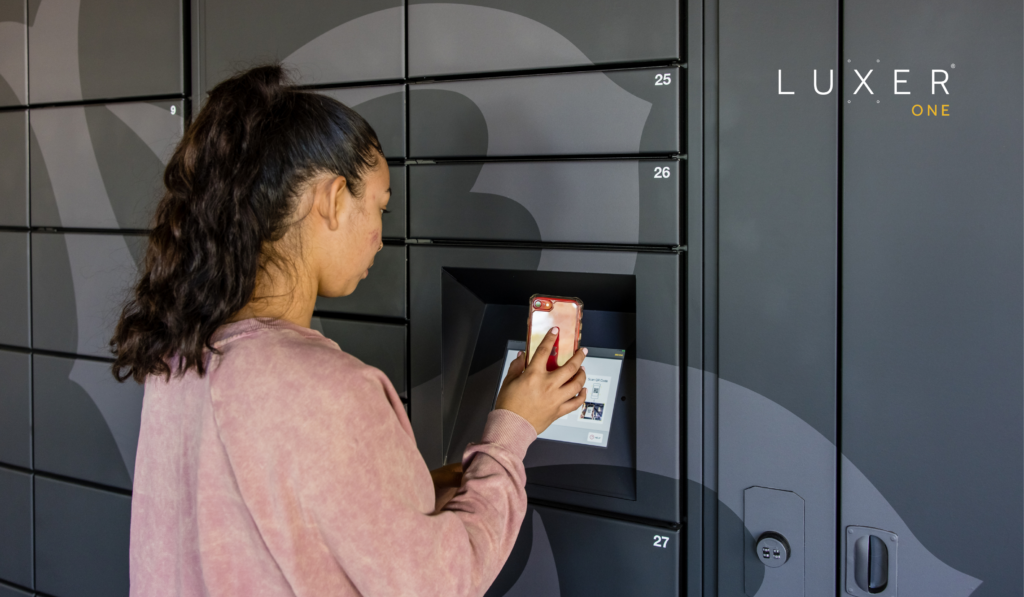
User scanning phone to open the Luxer One smart lockers

Holiday Shopping Creates Another Delivery Peak

Delivery activity remains elevated through the fall as students begin ordering holiday gifts and seasonal items.

Although delivery volumes gradually decline through November and December as students leave campus for breaks, packages continue to come in. The data shows that nearly half of December’s packages arrive during the first week of the month, reflecting early holiday purchasing patterns.

These seasonal shopping trends create another operational spike that campuses must be prepared to handle.

Spring Semester Is Far From a Slow Season

Delivery activity quickly rebounds after winter break, as students return to campus for the spring semester.

January delivery volume exceeds both August and December totals. This shows that student ordering habits resume almost immediately once the spring semester begins. In fact, spring semester delivery activity remains remarkably strong, with only about a 20% difference in package volume between spring and fall semesters overall.

This challenges the assumption that spring represents a low-volume period for campus package operations.

Students Expect Fast Access to Their Packages

Beyond delivery volume, the data also highlights how quickly students expect to retrieve their packages.

More than one-third of packages are picked up within six hours, and over half are retrieved within twelve hours of delivery.

This behavior reflects broader consumer expectations shaped by modern e-commerce. Students expect fast access to their deliveries, and delays in notification or pickup availability can create frustration.

Over 1/3 of packages are picked up within 6 hours

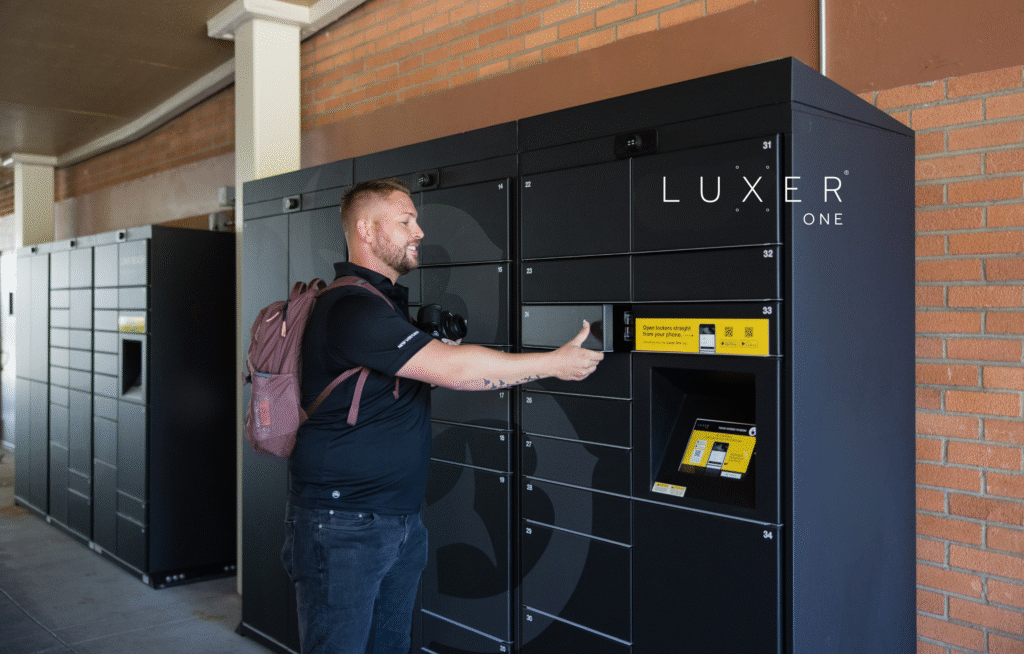
Student using smart locker on university campus

Package Delivery Is Now a Core Campus Service

When looking across the full academic year, the delivery data makes one thing clear: campus package delivery is not limited to move-in.

Instead, universities experience sustained delivery activity throughout the year, driven by student shopping habits and seasonal retail trends.

As delivery expectations continue to rise, campuses are increasingly adopting automated package management solutions like automated lockers to help streamline operations, reduce manual workload, and give students a convenient pickup experience.

Download our FREE Package Volume Report to dive into the full delivery data.

  • Lauren Buote

    Lauren Buote is a Marketing Coordinator at Luxer One who blends her fine arts background from North Carolina State University, with marketing experience in small businesses and museums. She specializes in content and design that support Luxer One’s storytelling and brand growth in the Commercial sector.

    See Posts

RECENT POSTS

Vendor Fatigue Is Real, Here's How to Consolidate

Vendor Fatigue Is Real, Here’s How to Consolidate

Vendor evaluation is not seasonal. Contracts come up for renewal year-round, and a tool that is not earning its spot does not wait for a convenient month to become a problem. But budget season puts it in sharper focus than usual, since every vendor on the books gets a harder look right as 2027 technology budgets lock in.

Read More »
How to Prepare Your Community for Incoming Holiday Package Piles

How to Prepare Your Community for Incoming Holiday Package Piles

Holiday cheer is coming, but so are the holiday package piles. Every year, November and December bring a spike in online shopping that puts pressure on even the most organized communities.
Without the right systems in place, this seasonal surge can lead to overwhelmed package rooms, rising operational costs, and frustrated residents. If you’re not planning ahead now, the holidays will plan themselves right into your budget and staff bandwidth.

Read More »
What Your Mid-Year Multifamily Market Report Reveals About 2026 Multifamily Market Trends

What Your Mid-Year Multifamily Market Report Reveals About 2026 Multifamily Market Trends

Budget season is here, and with it comes the same question every property manager, owner, and developer is asking: what does the rest of 2026 actually look like, and what should that mean for 2027?
That’s why we built the Mid-Year Multifamily Market Report: a data-backed snapshot of the multifamily market trends shaping occupancy, pricing, supply, and operations right now, with a clear “what it means” takeaway for every finding.

Read More »
Budget Season Is Here. What the Market Is Actually Telling You.

Budget Season Is Here. What the Market Is Actually Telling You.

August marks the start of budget season for most of the multifamily industry. Over the next 60 to 90 days, property managers are reviewing vendor contracts, owners are stress-testing their 2027 revenue assumptions, and developers are making go or no-go decisions on projects they have been holding.

Everyone is asking the same question: what kind of market are we actually planning into?

Read More »

TOPICS

Share: