




Package volume has fundamentally reshaped multifamily operations. What used to be a convenience has become a daily operational responsibility, a resident satisfaction driver, and in some cases, a liability risk.
As properties evaluate solutions, many are weighing onsite vs offsite package management models. Both promise convenience. Both aim to reduce staff burden. But the operational realities and resident experience can look very different.
Below we discuss what you should consider before deciding.
What Is Onsite Package Management?
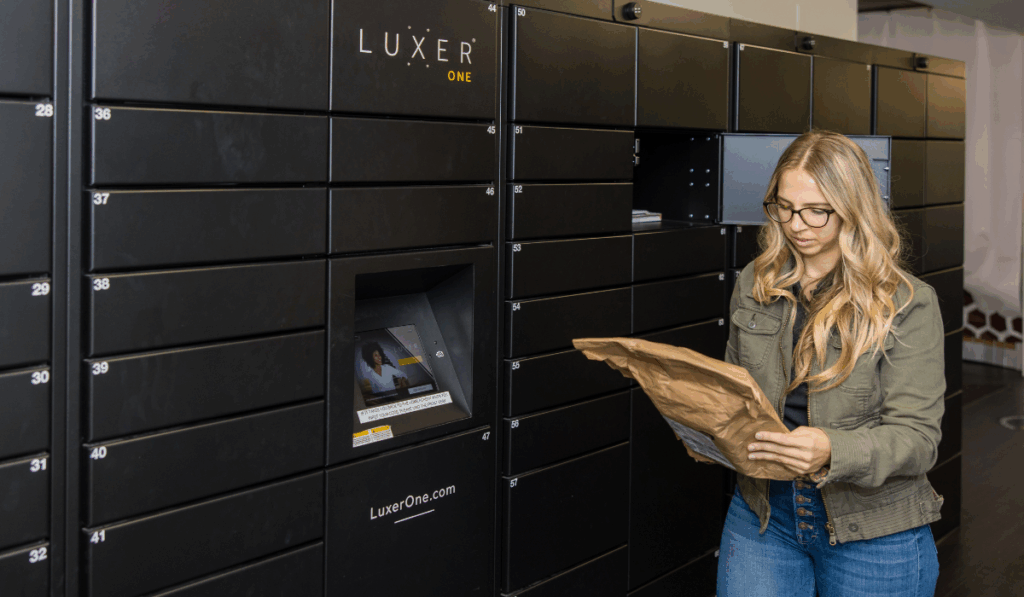
Onsite package management keeps deliveries at the property. Carriers deliver directly to your community, where packages are securely stored in smart lockers or dedicated package rooms for resident pickup.
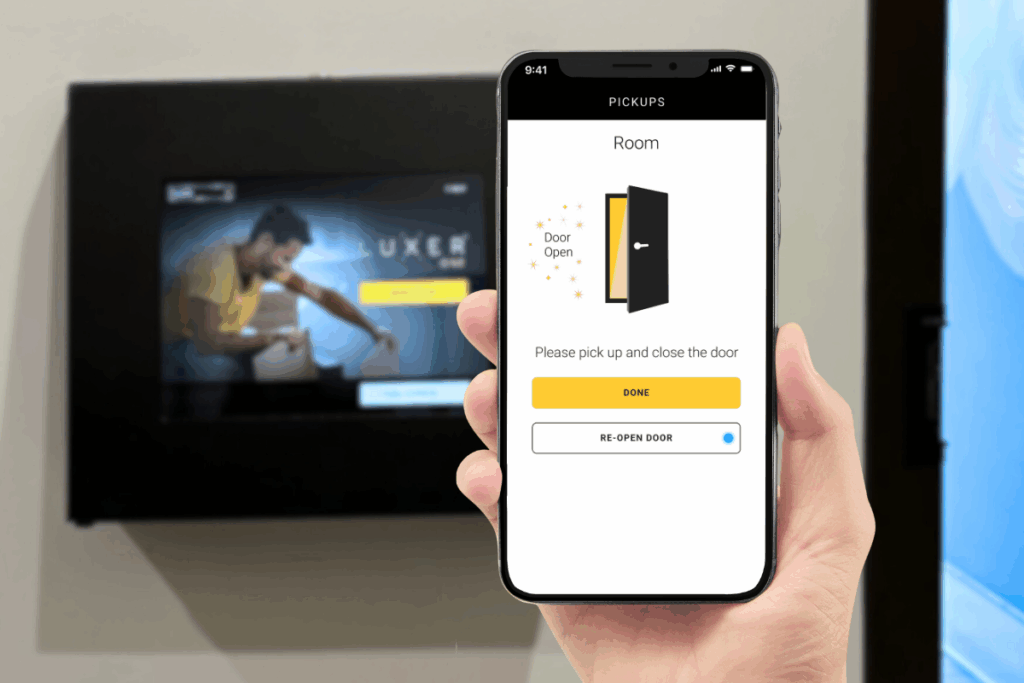
Residents receive notifications and retrieve packages 24/7 without staff involvement.
The goal: eliminate manual handling, reduce friction, and maintain full control over the delivery experience.
What Is Offsite Package Management?
Offsite delivery management introduces a third-party acceptance center. Instead of delivering to your property, carriers reroute packages to an external warehouse or facility. Residents then schedule delivery windows for when they will be home to receive their items.
On paper, this model can seem appealing:
- Packages aren’t physically stored onsite.
- Staff can be removed from daily handling.
- Storage space concerns are reduced.
However, the tradeoffs become clearer when examining long-term operational impact and resident expectations.
Offsite Package Management Risks to Consider
When comparing onsite vs offsite package management, it’s important to understand the structural risks that come with additional handoffs and third-party control.
1. Delayed or Rescheduled Deliveries
Offsite models often interrupt traditional carrier workflows. Packages may be rerouted from their original destination, potentially affecting delivery timelines.
In a world of same-day and two-day shipping expectations, residents may view added transit steps as friction. Delays are often perceived as a property issue, even if the disruption happens offsite.
2. Increased Handoffs = Increased Risk
Each transfer introduces potential for error. Additional handling increases the likelihood of:
- Lost packages
- Damaged goods
- Misrouted deliveries
With onsite systems, fewer handoffs typically mean fewer breakdown points. If security is a concern, understanding how secure package lockers are can help clarify why controlled, onsite storage reduces loss exposure.
3. Limited Accountability When Issues Arise
One of the biggest operational considerations is ownership of the problem.
When packages are stored offsite, responsibility can become blurred:
- Is the carrier responsible?
- Is the third-party facility responsible?
- Is the property responsible?
Residents, however, will often turn to onsite staff first. Clear accountability matters. That’s why strong service infrastructure, like customer support and dedicated programs such as Luxer Liaison, play a critical role in maintaining operational confidence.
4. Resident Experience Tradeoffs
Offsite delivery models require residents to:
- Schedule delivery windows
- Be physically present to receive items
- Adjust their personal schedules
While some may appreciate the perceived flexibility, many renters prioritize immediate access and convenience.
According to NMHC data, 67% of residents expect secure, self-service, 24/7 package pickup options. Onsite lockers align directly with that expectation by allowing residents to retrieve packages on their own time without coordinating schedules.
If resident retention is a priority, it’s worth exploring how package systems influence overall satisfaction. Resources on how to improve the resident experience with package management highlight how convenience directly impacts renewals and reviews.
The Operational Advantage of Onsite Package Management
When packages stay onsite, properties maintain visibility, control, and consistency.
Timely Deliveries
Carriers follow standard delivery routes. There’s no rerouting or warehouse detours. Residents receive notifications immediately and can retrieve packages at their convenience.
Reduced Staff Burden
Smart lockers automate notifications, access control, and tracking. Staff are not manually logging deliveries or managing scheduled drop-offs.
If you’re evaluating financial impact, understanding the ROI on smart lockers for apartments can clarify how operational efficiency translates into measurable returns.
Clear Chain of Custody
Onsite systems create a defined delivery-to-pickup workflow. Fewer touchpoints reduce ambiguity and streamline issue resolution.
Environmental Considerations
Offsite models often introduce additional transportation legs. That means more vehicle miles and potentially higher carbon output.
For ownership groups prioritizing ESG initiatives, reviewing strategies on how to cut the carbon footprint from package deliveries can help align amenity decisions with sustainability goals.
Evaluating the Long-Term Strategy
When weighing onsite vs offsite package management, the core question becomes:
Do you want to remove packages from your property or remove friction from your operations?
Offsite solutions may initially appear to eliminate storage concerns. However, they also introduce:
- More logistical complexity
- Less delivery predictability
- Additional third-party dependencies
- Potential resident frustration tied to scheduling
Onsite smart locker systems, by contrast, keep the experience centralized, automated, and controlled by the property.
They transform package management from a burden into a self-service amenity.
A Balanced Perspective
It’s fair to acknowledge that offsite models emerged as a response to real industry challenges: rising package volume, staffing strain, and limited storage space.
But multifamily operations are increasingly defined by:
- Immediate access expectations
- Technology-driven convenience
- Resident autonomy
- Operational accountability
Solutions that reduce handoffs and increase control often align better with those trends.
Making the Right Choice for Your Community
Every property is different. Garden-style communities, urban high-rises, and mixed-use developments may have unique logistical considerations.
What remains consistent is this: package management directly affects resident satisfaction, operational efficiency, and property reputation.
If you’re evaluating options or preparing for budget planning, the Guide to Multifamily Package Management offers a comprehensive breakdown of strategies and implementation considerations.
And if you’re ready to explore a solution designed to deliver control, security, and long-term operational clarity, contact Luxer One to discuss onsite package management tailored to your property’s needs.
Because when packages stay onsite, your community stays in control.
-
See Posts
Christina Draper, Marketing Content Manager at Luxer One, creates storytelling-driven content that connects with property management professionals and highlights innovations in multifamily package management. With a marketing background from UNC Charlotte, she develops cross-channel campaigns that showcase how Luxer One is redefining the resident experience.