

Key Takeaways
- Access control used to mean a key and a call box. Today it means cloud software, mobile credentials, and smart hardware that manages who gets in across every door in the building.
- Residents now expect digital entry, video intercom, and keyless locks the same way they expect good wifi. These aren’t perks anymore; they’re table stakes.
- Most properties are stitching together three or four disconnected vendor systems. The real cost of that fragmentation rarely shows up on a budget. It shows up in staff hours, security gaps, and resident complaints.
- When access control, packages, intercom, and parking all run on one platform, things that used to require manual workarounds (like carrier building access) just work automatically.
- Luxer Access is built on Luxer One’s 15+ years of multifamily experience and backed by ASSA ABLOY, the largest physical security company in the world. It’s a full-stack platform, not another point solution.
If you manage a multifamily property, you’ve probably noticed that your technology stack has gotten a little… crowded. Package lockers from one vendor, access control from another, intercoms from a third. Each system made sense when you added it. Together, they’ve quietly become a handful.
You’re not alone in this. Most properties got here the same way — one reasonable decision at a time. But the way residents experience technology, and the way operators manage it, has changed a lot in a short time. Access control sits right at the center of that shift, and understanding where it’s headed can help you make smarter decisions about your building’s future.
What Is Access Control, Really?
At its core, access control is simply the technology that determines who can enter a building, a space, or a unit, and when. In multifamily housing, that covers front building entry, parking gates, amenity spaces, package rooms, and individual apartment doors.
The modern version looks quite different from what most properties were running a decade ago. Today’s systems are cloud-based, which means property managers can add or revoke credentials remotely, monitor entry events in real time, and respond to issues without being on-site. When a resident moves out, their access can be revoked across every entry point at once, instantly, from a laptop or phone.
That shift from hardware-dependent systems to cloud-based platforms isn’t just a tech upgrade. It changes both what’s operationally possible, and how residents experience their living environment – which is why it matters.
Why Residents Care More About Access Than They Used To
Not long ago, a fob for the front door and a call box in the lobby were perfectly acceptable. Today’s renters have a different frame of reference. They’re used to digital experiences that just work — unlocking their car from their phone, letting someone in remotely, getting a notification when a package arrives.
When their apartment building, their HOME, doesn’t meet that standard, they notice. And when it does, it becomes a real reason to choose one property over another, or to renew a lease rather than move on.
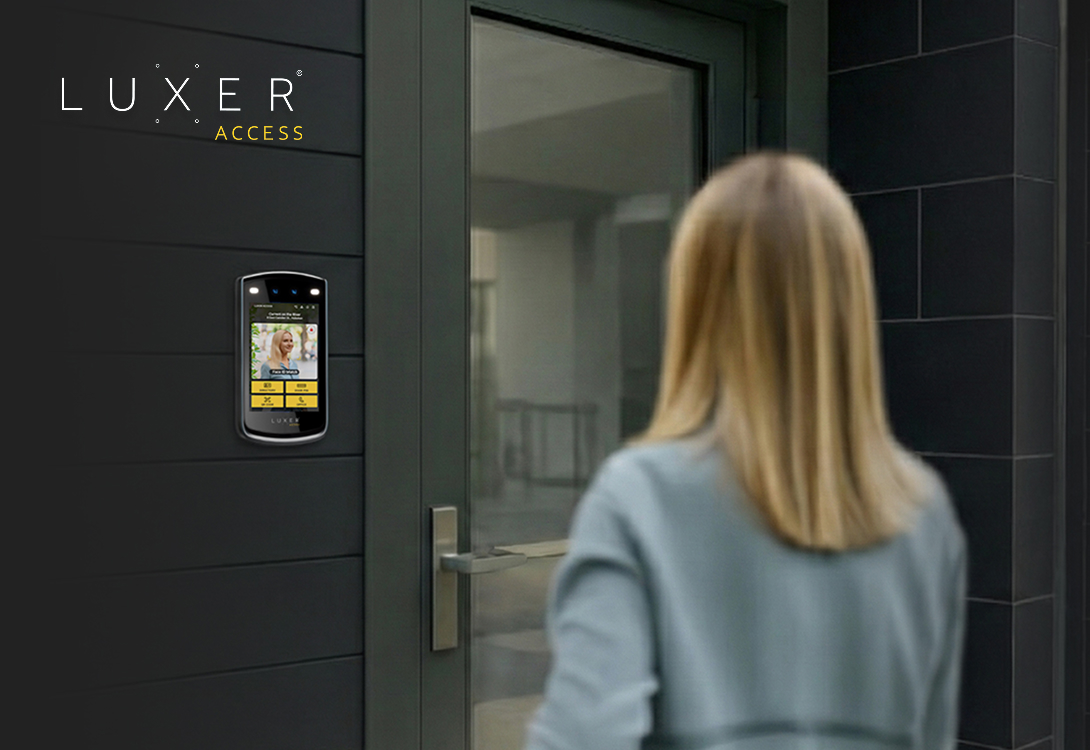
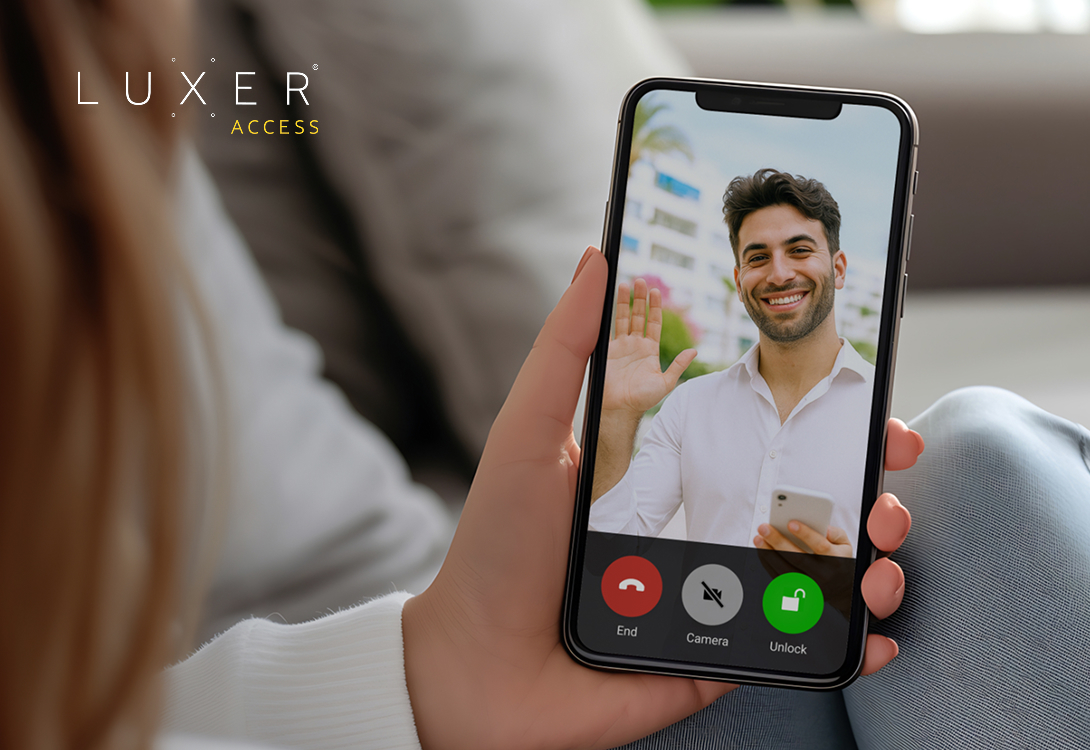
Modern access control covers the full experience: mobile entry, video intercom they can answer from anywhere, effortless entry into parking and amenity spaces, keyless locks on their unit door, and integrated, seamless package pickup. When those things work well together in one app rather than four, residents feel the difference.
Security expectations have gone up alongside convenience ones. Unauthorized entry, package theft, and outdated credential systems create real liability for operators. Good access control handles both sides at the same time.
Worth knowing: 67% of renters say they want keyless smart locks, and more than half would choose smart home tech over amenities like pools or gyms. Properties that treat access as an amenity, not just infrastructure, are seeing that reflected in leasing conversations.
The Real Cost of Disconnected Systems
Here’s how most properties end up with a fragmented tech stack: a package locker solution comes first, then a new intercom when the old one finally fails, then a keyless entry upgrade, maybe a parking system. A new property manager has a preference for a particular vendor. Each decision makes sense at the moment. The cumulative effect is a tangle of systems that don’t talk to each other.
The visible costs are real: multiple contracts, multiple support relationships, multiple vendor calls when something breaks on a Saturday night. But the hidden costs are often bigger.
When systems are disconnected, routine tasks require manual coordination. A move-out might mean logging into three different platforms to revoke access everywhere. A delivery carrier might need to call the office because there’s no automated way to let them in. Every one of those manual steps adds up across thousands of transactions a year.
What Changes When Systems Are Actually Connected
The difference between a unified platform and a stack of integrated products isn’t just convenience, it’s what becomes operationally possible.
Take carrier access. In a building where access control and package management share data, a delivery driver arrives and the system automatically cross-references their tracking number against the resident database. If there’s a matching delivery, it issues temporary building access that expires on its own after the delivery window. No shared codes, no office calls, no propped doors.
That’s not a feature, it’s a workflow that only exists when the underlying systems were built to talk to each other. Bolt-on integrations between separate vendor platforms can pass data, but they rarely enable real-time decisions at the door.
What to Look for When Evaluating Access Control
The hardware matters, but it’s only part of the picture. A few questions worth asking before you commit:
Is it cloud-based?
Cloud systems let you manage credentials remotely, monitor access in real time, and receive updates automatically. If a vendor still relies on on-site hardware for core functions, that’s worth understanding upfront.
Does it integrate with your PMS?
Native integrations with RealPage, Yardi, or Entrata mean your access management stays in sync with your lease data. Move-ins and move-outs trigger credential updates automatically, without anyone having to remember to do it. The best systems may integrate with up to 50+ (add the right number) PMS systems and will be adding new ones routinely.
Does it cover the full stack?
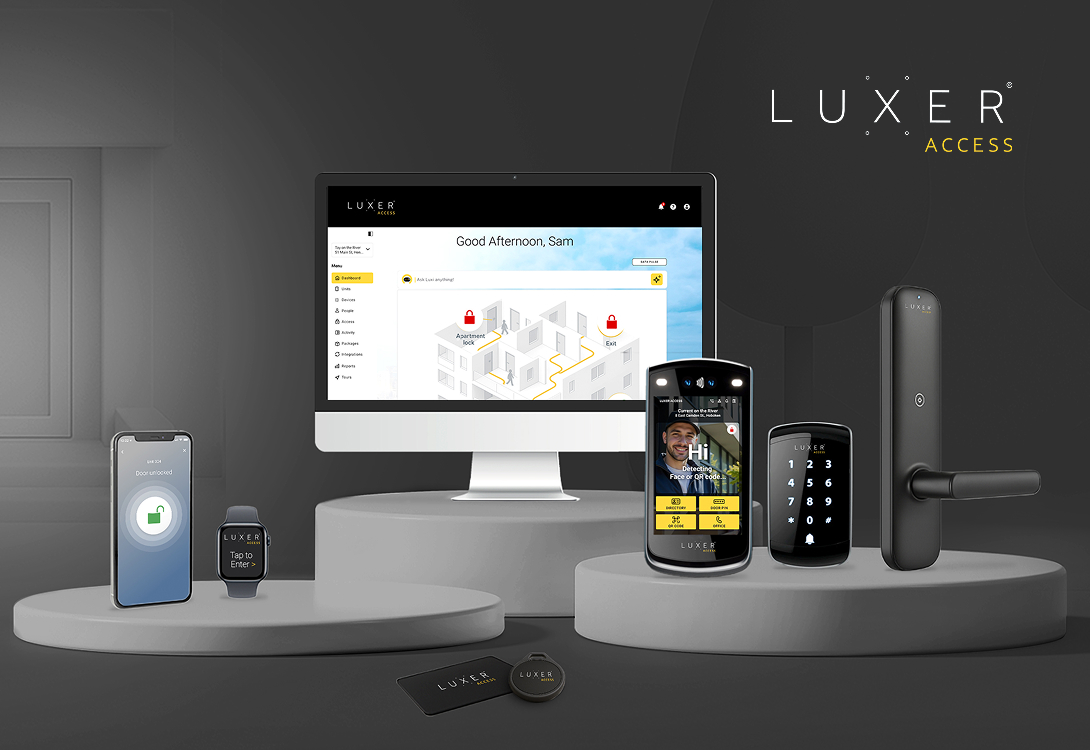
Front door entry is a starting point. The strongest systems extend to common or amenity area readers, unit-level keyless locks, intercoms, packages, cameras and parking, all in one place.
Who owns the experience end-to-end?
Ask who handles installation, go-live, and ongoing support. A vendor that owns every phase is far easier to work with than one that hands off to third parties when something needs attention.
What does support look like after hours?
Find out if the vendor handles resident calls directly or whether those end up back on your team at midnight.
How Luxer Access Fits Into This Picture
Luxer Access was built by the same team behind Luxer One, the company that has accepted more than 600 million deliveries across 12,000+ multifamily properties. That background matters because solving access control well in multifamily requires understanding how these buildings actually operate, not just how the hardware works.
The platform is powered by a hardware ecosystem from ASSA ABLOY, the world’s largest physical security company. It covers the complete access stack in one place, integrates natively with RealPage, Yardi, and Entrata (how many others) , and comes with 24/7/365 support and a 99.9% uptime SLA. Today it’s live in 1,000+ buildings, with 279,000 active credentials and 236,000 residents using it every day.
The team that installs it owns the whole project — specifications, installation, go-live, and support — all under one roof. For property managers who’ve spent years juggling multiple vendor relationships, that simplicity turns out to be one of the most valuable parts of the switch.
-
See Posts
Lauren Buote is a Marketing Coordinator at Luxer One who blends her fine arts background from North Carolina State University, with marketing experience in small businesses and museums. She specializes in content and design that support Luxer One’s storytelling and brand growth in the Commercial sector.