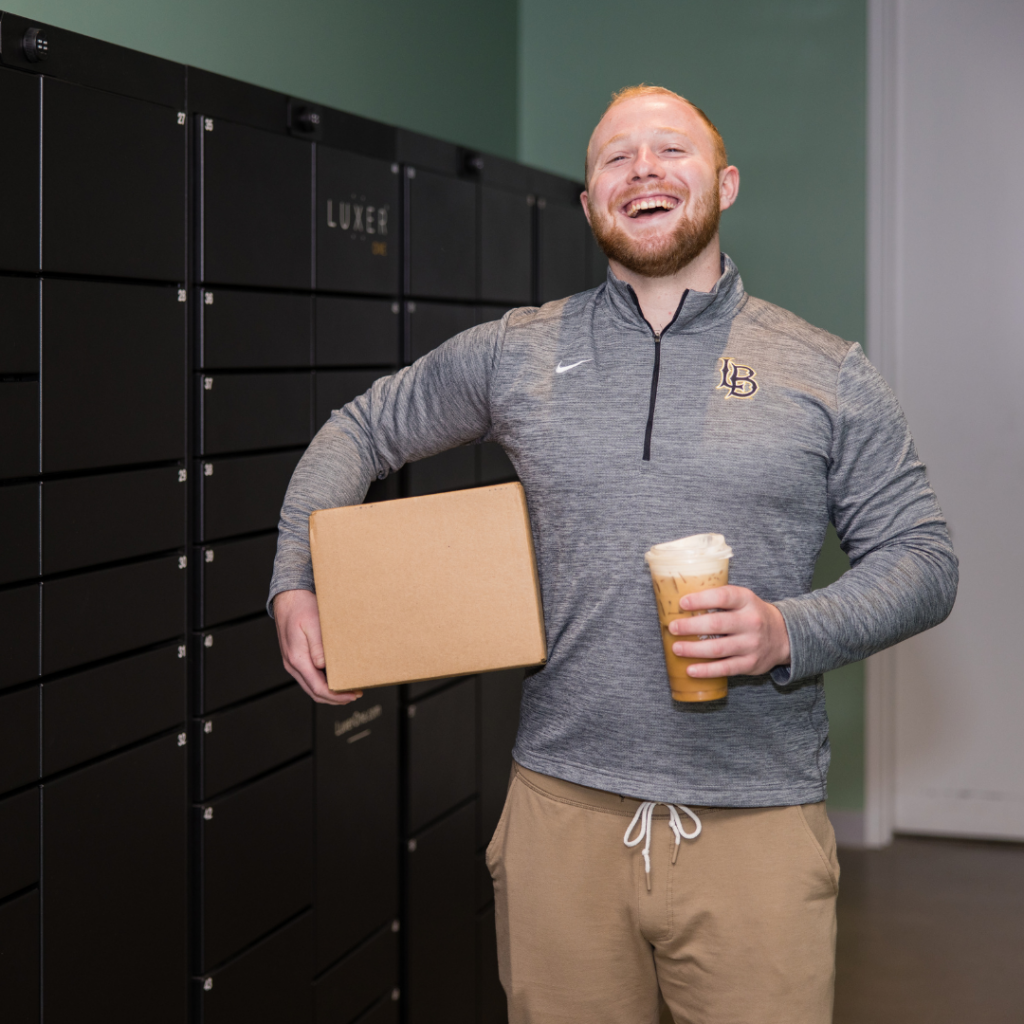
Top Retail Trends for 2025: Insights and Strategies for Success
Discover the top retail trends for 2025, including the rise of e-commerce, value-driven consumer choices, and the dominance of retail giants.

Discover the top retail trends for 2025, including the rise of e-commerce, value-driven consumer choices, and the dominance of retail giants.

At Luxer One, our dedication to innovation extends beyond delivering exceptional locker solutions; it encompasses a profound commitment to the communities we serve. Recently, we organized two significant initiatives aimed at providing relief and support to those in need.
In an exciting move to elevate the fan experience at soccer events, the United Soccer League (USL) has partnered with Droplocker by Luxer One, positioning Droplocker as the Official Fan Storage Locker Supplier for all seven USL leagues.

In the age of convenience and online shopping, the rise of “porch pirates” has become a growing concern for Canadian communities.
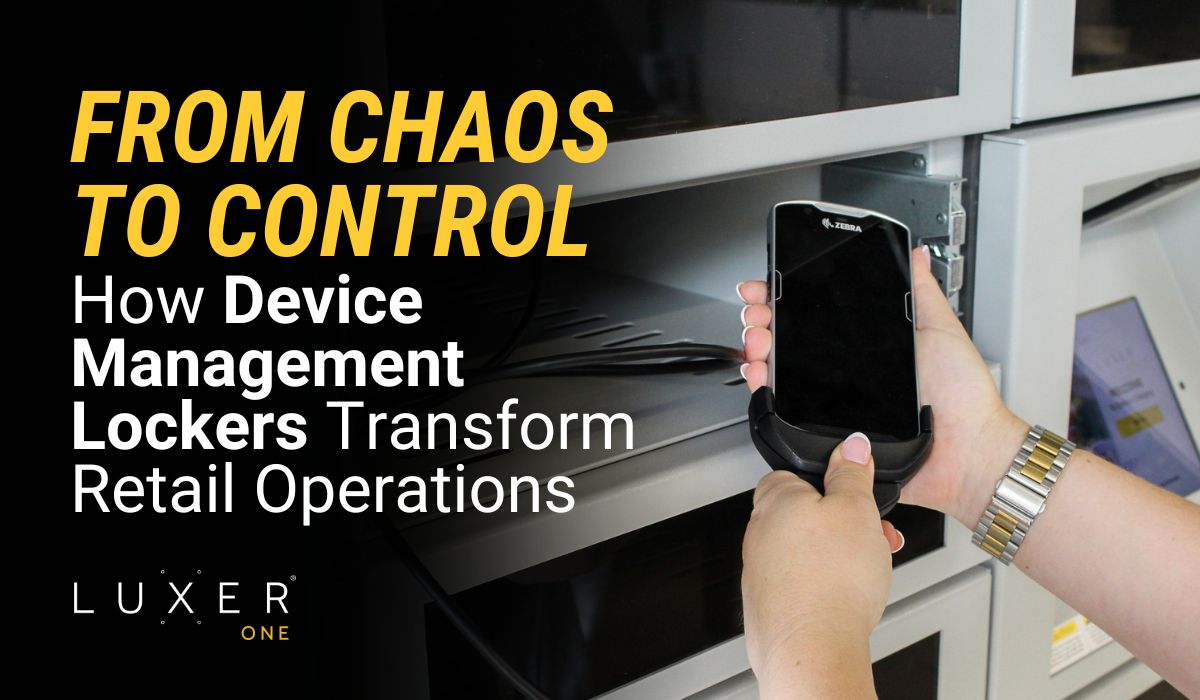
Retail businesses rely heavily on technology, from tablets and mobile scanners to point-of-sale systems. Managing these devices often becomes a logistical nightmare, resulting in lost, damaged, or undercharged equipment. Mismanagement not only slows down operations but can also lead to significant revenue losses.

The security team shouldn’t have to worry about upset fans missing the kickoff to take their bags back to their car. Guests shouldn’t have to worry about the safety of their personal items or leaving them a mile away in their car! Instead, stadiums across the country are beginning to implement self-service, bag drop smart locker systems.

Luxer One redefines package management with a human touch through its innovative Liaison service, blending technology and personal support to enhance resident experiences. Join the journey to connect, engage, and thrive.

Does your package room look like the before shot in this video? If you answered yes, you could be the next property on Total Package Room Makeover!
In a recent USA Today article, “Bridging Disruptions: The Resilient Arc of Supply Chains,” Luxer One’s President, Josh Middlebrooks, provides invaluable insights into the transformative journey of supply chains post-pandemic.

In recent years, building managers have been confronted with a shifting landscape in the real estate industry. The surge in remote work, fluctuating interest rates, and the growing emphasis on environmental sustainability have posed unique challenges to office buildings
The National Retail Federation (NRF) Retail’s Big Show, once again proved why it’s the defining kickoff to the retail year! Held January 11–13 in New York City, the event brought together thousands of retail leaders, innovators, and solution providers to explore the technologies and strategies shaping the industry’s “Next Now.”
This year’s theme was clear: Artificial intelligence, automation, and robotics are transforming how retailers operate today.

Modern package management systems have transformed how communities handle deliveries. Smart lockers and centralized package rooms bring security, organization, and automation to an increasingly complex last-mile environment. But at larger communities, technology alone isn’t always enough to deliver the experience residents and onsite teams expect.
That’s where expert support for package management systems makes a meaningful difference.
At many Luxer One communities, that difference comes in the form of a familiar, trusted face. For one property, that person is Val: a Luxer Liaison whose presence has helped turn an already strong package system into a smoother, more human-centered experience.
The demand for package management has been steadily rising for years, but over the past twelve months, it has shifted from a convenience issue to an operational imperative. For property managers, owners, and developers alike, package volume is no longer a temporary side effect of peak ecommerce seasons. It is a permanent fixture of modern multifamily living.
Residents expect fast, secure delivery. Carriers expect efficient drop-off. On-site teams are expected to keep everything moving without adding labor or liability. As ecommerce behavior continues to evolve and staffing pressures remain tight, communities are being forced to rethink how they manage last-mile delivery at scale.
This is where multifamily package management solutions have moved from “nice-to-have” amenities to core infrastructure.

Concessions have become a familiar fixture across the multifamily landscape. As operators move through 2026, the question is no longer whether incentives belong in the leasing toolbox, but how to use them without sacrificing long-term revenue performance. This is where value messaging plays a critical role.
When concessions are paired with clear, consistent value messaging, they can support occupancy without resetting renter expectations. When they are not, they risk becoming a long-term drag on effective rents, renewals, and overall NOI. In today’s market, preventing long-term concessions is less about eliminating discounts altogether and more about ensuring price is never the only thing prospects remember.

After several years of volatility, the state of the multifamily market entering 2026 feels more predictable than it has since the early post-pandemic period. Rent growth has normalized, supply pressures are beginning to ease in many metros, and demand fundamentals are slowly strengthening. However, this is not a return to the high-growth environment operators experienced earlier in the decade.
Instead, the Q1 2026 outlook reflects a market where stability is returning, but performance depends heavily on operational discipline, cost control, and resident experience. Properties that adapt to this reality are finding steadier footing. Those that rely on outdated assumptions or inefficient systems may struggle to keep pace.
This Q1 2026 multifamily market report breakdown explores what the latest data is telling operators and what it means for day-to-day decision-making.
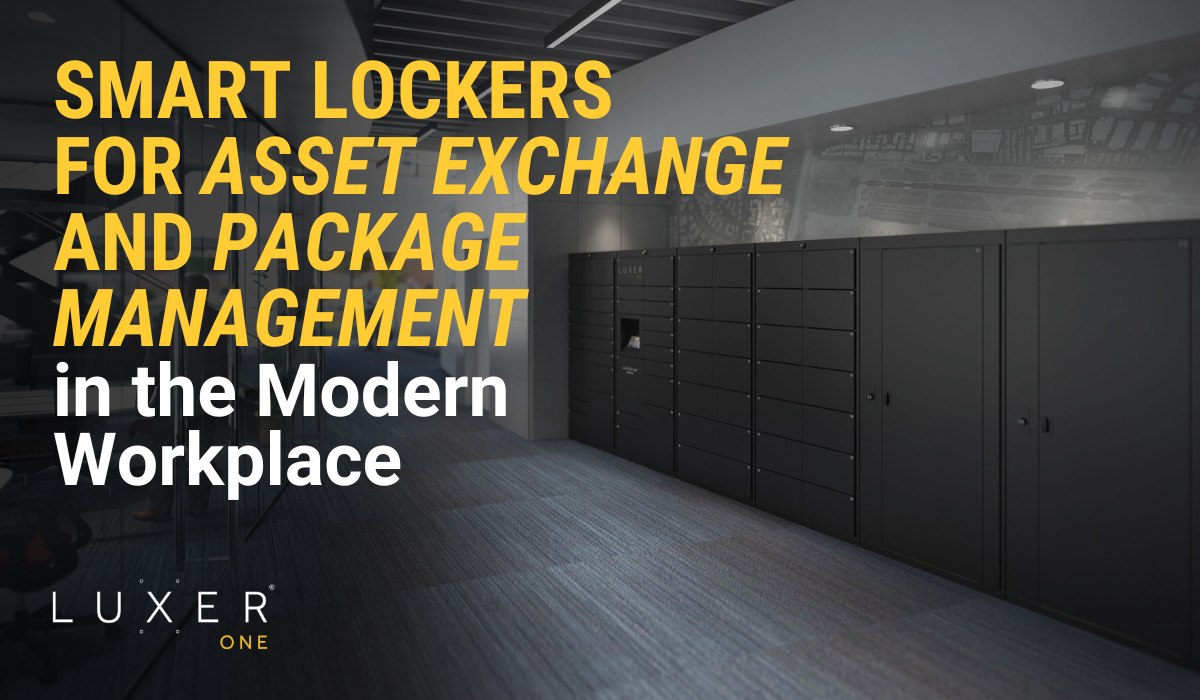
Workplace operations have changed dramatically in recent years. Hybrid schedules, distributed teams, and higher expectations for speed and accountability have reshaped how offices manage equipment, documents, and deliveries. As a result, many organizations are rethinking how assets move through the workplace.
That shift is driving increased demand for smart lockers for asset exchange and package management, a secure and automated solution designed to reduce loss, streamline workflows, and scale with enterprise operations. For workplace managers and operations directors, smart lockers are no longer a convenience. They are becoming a core infrastructure tool for the modern workplace.
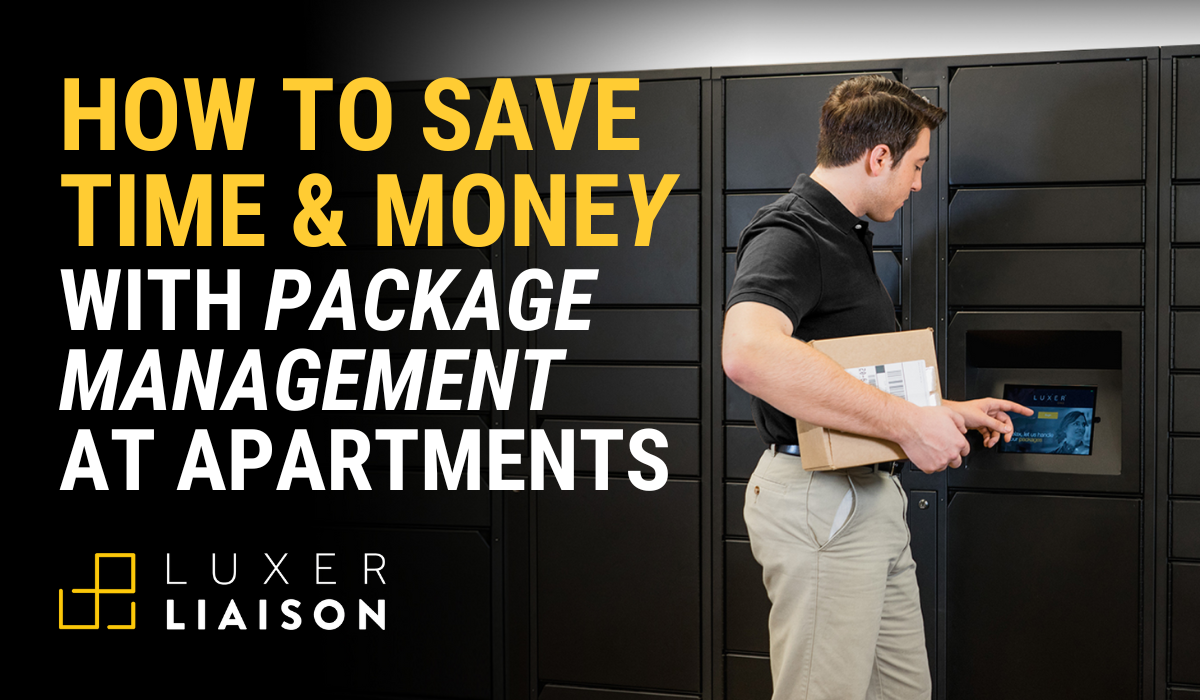
Smart lockers and package rooms have become essential infrastructure for modern apartment communities. They create secure, self-service delivery workflows, reduce front office congestion, and give residents flexibility to pick up packages on their own schedule.
For many communities, these systems already do most of the heavy lifting. But at larger properties or across growing portfolios, even the best package management technology benefits from consistent human support.
That is where onsite package management staff come in. When paired with smart lockers and package rooms, they help communities save time and money with package management by ensuring systems are used properly, residents are supported, and onsite teams stay focused on higher-value work.
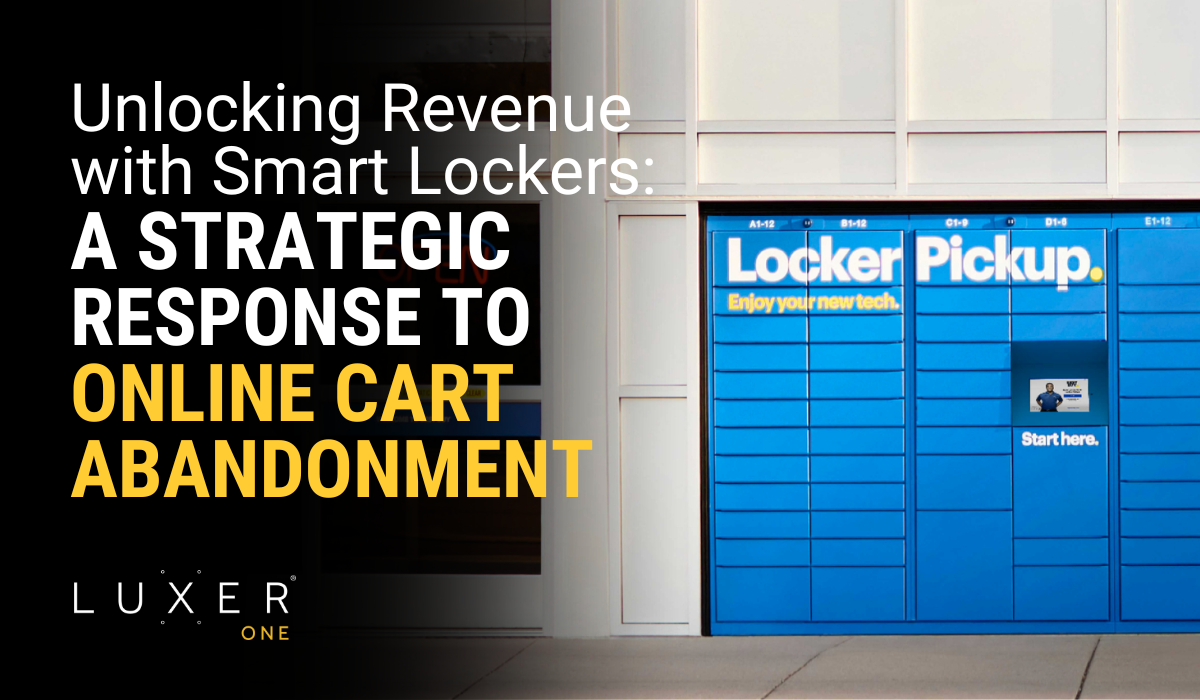
Online cart abandonment is not a new problem, but it is becoming a more expensive one.
As ecommerce has matured, shopper expectations have risen just as fast. Convenience, flexibility, and control now play as large a role in conversion as price or product availability. When those expectations are not met, shoppers hesitate, leave, and often do not return.
For retail operations leaders, cart abandonment should no longer be viewed as just a marketing or UX issue alone. It’s also a fulfillment and operational challenge, and one that demands a more strategic response.

This year at NRF 2026: Retail’s Big Show, Luxer One is showcasing how smart locker technology supports modern retail operations by addressing some of the industry’s most persistent challenges. Read more to see how we streamline BOPIS, third party delivery, shrink, and labor efficiency, and aligning with the trends shaping the future of in-store fulfillment.
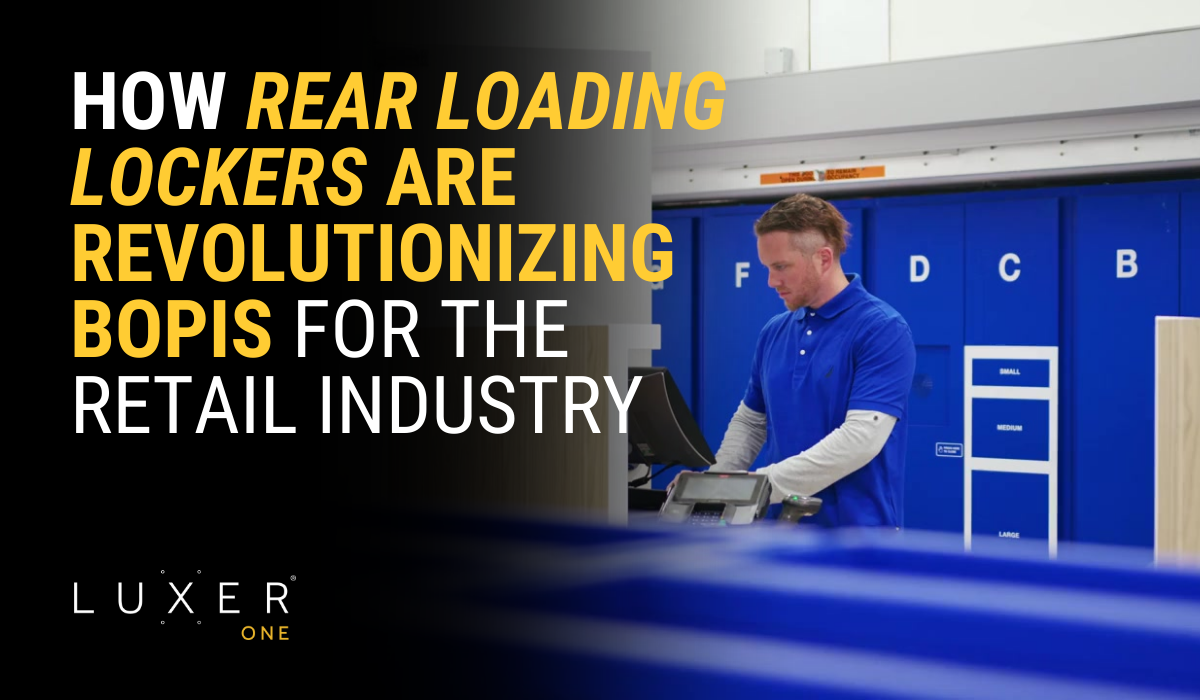
The Buy Online, Pick Up In Store (BOPIS) model has gone from “nice to have” to a cornerstone of modern retail fulfillment, driven by consumer demand for convenience, speed, and flexibility. As retailers scale omnichannel efforts, not all BOPIS solutions perform equally well. Enter rear loading lockers, a smart locker innovation that is reshaping how retailers fulfill pickup orders while improving the customer experience and operational efficiency.
Here is how rear loading lockers are redefining BOPIS and why they are becoming a must have in the retail landscape.