
LUXER ONE BLOG

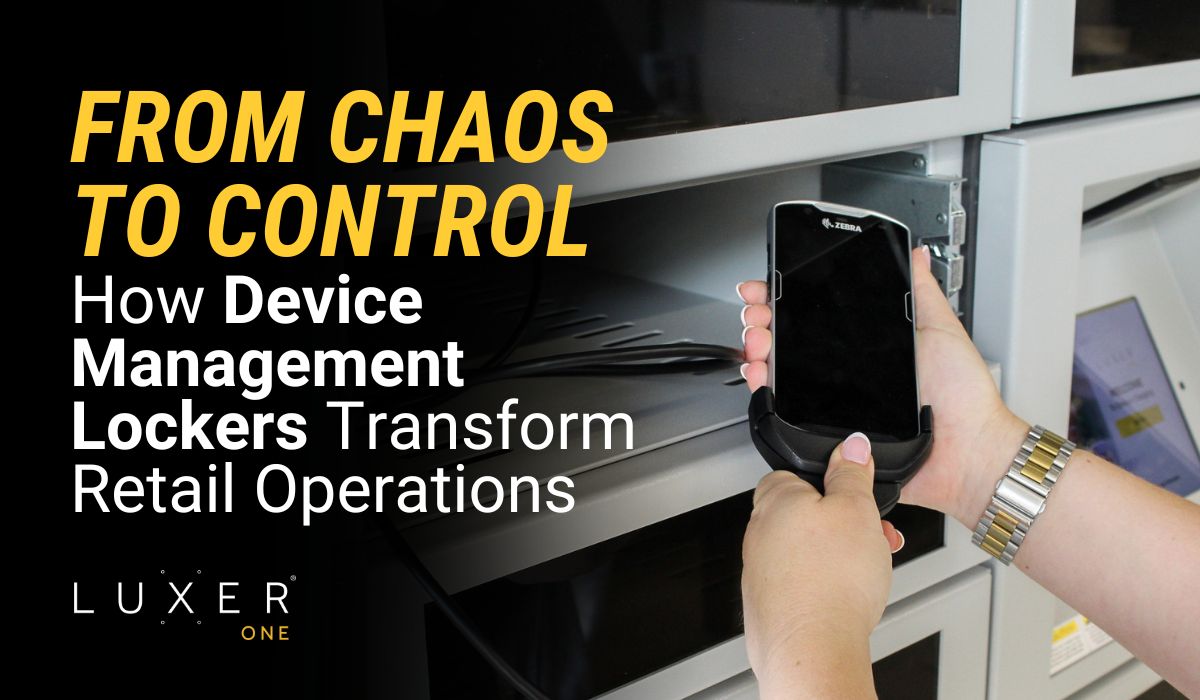
From Chaos to Control: How Device Management Lockers Transform Retail Operations

From Chaos to Control: How Device Management Lockers Transform Retail Operations

Retail businesses rely heavily on technology, from tablets and mobile scanners to point-of-sale systems. Managing these devices often becomes a logistical nightmare, resulting in lost, damaged, or undercharged equipment. Mismanagement not only slows down operations but can also lead to significant revenue losses.

Retailers need a streamlined solution that ensures devices are always secure, fully charged, and easily accessible. When devices are properly managed, retailers can rest assured that their operating systems are optimized and efficient. Smart lockers have become the ideal choice for retailers to resolve the growing problem of device management.

Device Management Lockers Boost Productivity

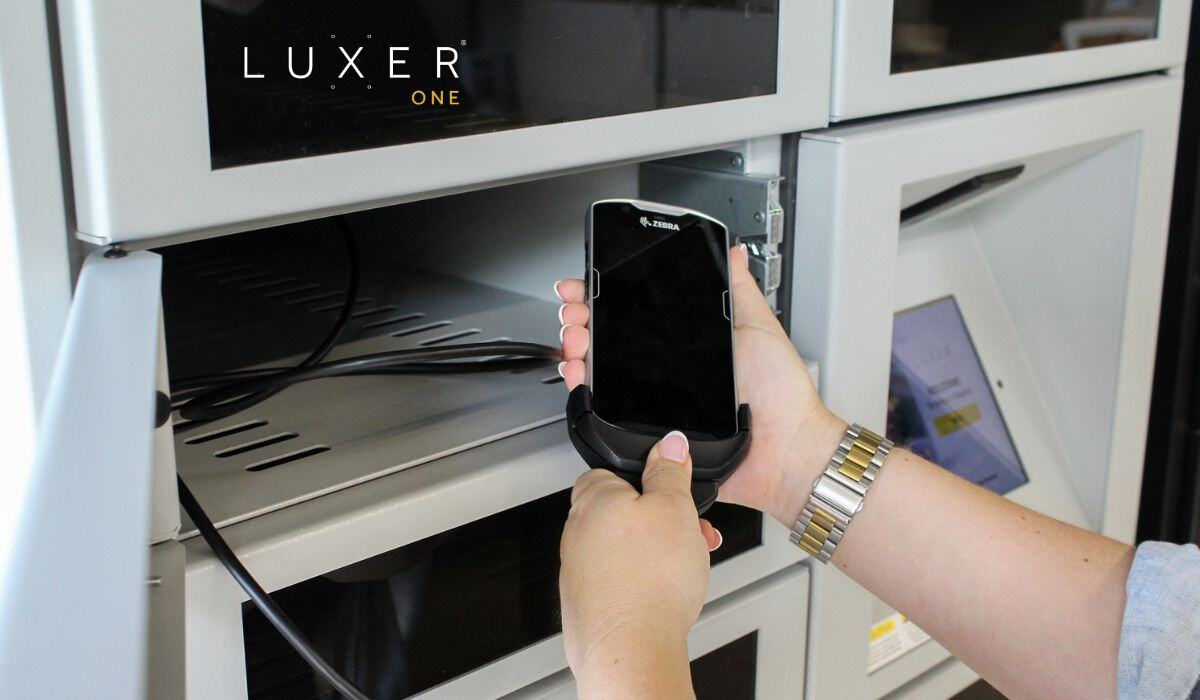
Misplaced or uncharged devices can bring retail activities to a halt, especially when employees need devices for crucial tasks like scanning inventory or processing transactions. Smart lockers equipped with charging ports offer a solution by ensuring every device is in a designated spot, charged, and ready to go, minimizing downtime and maximizing productivity.

Device Management

Device Management Lockers Enhance Security

Retailers often face the risk of device theft or damage, which can be costly. Secure lockers equipped with an intelligent accountability workflow and high-tech surveillance features can give them peace of mind. The lockers not only prevent unauthorized access but also monitor device usage and status in real-time, reassuring businesses that their expensive equipment is always secure.
 

Device Management Lockers

Device Management Lockers Streamline Operations

Managing multiple devices manually can lead to errors, misplacement, or unnecessary administrative tasks. The ideal solution for managers should include a user-friendly interface that allows them to code devices and track their status, monitor usage patterns, and receive alerts for things such as low battery levels and device issues reported by users. This reduces the burden on management, allowing them to focus on more critical tasks while ensuring that devices are always ready for employee use.

 

Device Management

For retail operations, device management is critical to keeping business running smoothly. Luxer One’s device management lockers transform chaotic device storage into a controlled, efficient system that improves productivity, enhances security, and streamlines operations. With Luxer One smart lockers, retailers can ensure that their tech is always ready when needed, reducing downtime and improving overall efficiency.

Enhance your retail operations today with Luxer One!

  • Christina Draper

    Christina Draper, Marketing Content Manager at Luxer One, creates storytelling-driven content that connects with property management professionals and highlights innovations in multifamily package management. With a marketing background from UNC Charlotte, she develops cross-channel campaigns that showcase how Luxer One is redefining the resident experience.

    See Posts

RECENT POSTS

luxens on the rise ashley b

Luxens on the Rise: Employee Highlight | Ashley Blakely

At Luxer One, growth is part of the job. We prioritize promoting from within, provide clear paths for advancement, and encourage every team member to explore new opportunities! Our Luxens on the Rise series highlights team members who have carved their own paths within the company, taking on new challenges and evolving their careers along the way.

Read More »
Parcel Locker Solutions for Canadian Multifamily Communities

Parcel Locker Solutions for Canadian Multifamily Communities

Canadian multifamily communities are experiencing a major shift in parcel management. As online shopping continues to grow and resident expectations rise, developers and operators are under increasing pressure to modernize how deliveries are handled.
That is why more properties are investing in parcel locker solutions that improve security, simplify parcel management, and create a better resident experience.
According to recent research from Mordor Intelligence, the Canadian courier, express, and parcel market is projected to grow to more than USD $20 billion by 2031, driven largely by continued eCommerce growth and increasing delivery demand. For multifamily operators, that means parcel volume is not slowing down anytime soon.

Read More »
Boost Resident Retention with Reliable Partners

Resident Retention Starts With Reliable Multifamily Partners

Resident retention has become one of the most important metrics in multifamily housing and one of the hardest to maintain. Today’s residents expect convenience, consistency, and responsive service across every touchpoint of their living experience. When operations fall short, frustration builds quickly.
That’s why more property and regional managers are reevaluating not just the amenities they offer, but the multifamily technology partners behind them.
Reliable partners don’t just help properties run smoothly. They directly support resident satisfaction, operational consistency, and long-term asset value.

Read More »
what is the best way to manage packages in a university mailroom?

What Is the Best Way to Manage Packages in a University Mailroom?

University mailrooms are under more pressure than ever. As online shopping continues to grow, campuses are receiving an unprecedented volume of packages each day, often without the staffing or storage space to keep up. For many universities, the question is no longer whether a new system is needed, it’s what is the best system to use?

Read More »
The Hidden Cost of Off-Site Package Models

The Hidden Cost of Off-Site Package Models

At first glance, some package management solutions seem like a win for property teams. They promise fewer packages on-site, less clutter, and less day-to-day handling.
But what looks convenient on the surface often comes with hidden tradeoffs. While these models may reduce visibility on the property, they do not eliminate the problem. They shift it somewhere else.
And in many cases, they shift it directly onto residents.

Read More »

TOPICS

Share: