


LUXER ONE BLOG

How to Prepare for the Prime Day Effect on Multifamily Communities

How to Prepare for the Prime Day Effect on Multifamily Communities

Amazon Prime Day isn’t just a shopping holiday anymore, it’s a logistical event that reshapes how communities handle deliveries. Not to mention it feels like they add a new Prime event every year! With the October Prime Day approaching, multifamily properties should expect another surge of packages that can rival peak holiday season. For property managers and regional managers, the Prime Day effect on multifamily means crowded lobbies, strained staff, and rising resident expectations for seamless service.

But with the right preparation, you can turn this challenge into an opportunity to boost resident satisfaction and prove your property is ahead of the curve.

The Prime Day Effect by the Numbers

Prime Day has been breaking records year after year, and our delivery data tells a clear story of growing pressure on multifamily communities. Luxer One properties saw a:

  • 📦 26% increase in deliveries the week before to the week after Prime Day (October 2024).


  • 📦 55% increase in deliveries the week before to the week after Prime Day (July 2025).


  • 📦 19% jump in deliveries from September to October 2024.


  • 📦 16% overall increase in deliveries from 2024 to 2025, based on Luxer One system data.


According to reports, U.S. online retail sales during July Prime Day surged 28.4% year-over-year. These numbers don’t just represent online shopping trends, they translate directly into hallways piled with packages and staff scrambling to keep up.

Package piles in multifamily communities

Why It Matters for Multifamily Communities

For multifamily properties, package volume isn’t just a space issue, it’s a resident experience issue. The Prime Day effect on multifamily properties creates:

  • Overcrowded lobbies that undermine first impressions.

  • Lost or misplaced packages that increase staff workload and liability.

  • Strained teams pulled away from leasing and resident support.

  • Higher risk of theft and frustration, which can impact renewals.

And October’s Prime Day is only the beginning. Once package volume spikes in October, it often doesn’t slow down until after the holiday season in late January. That means communities that struggle during Prime Day will be in for a long, chaotic quarter.

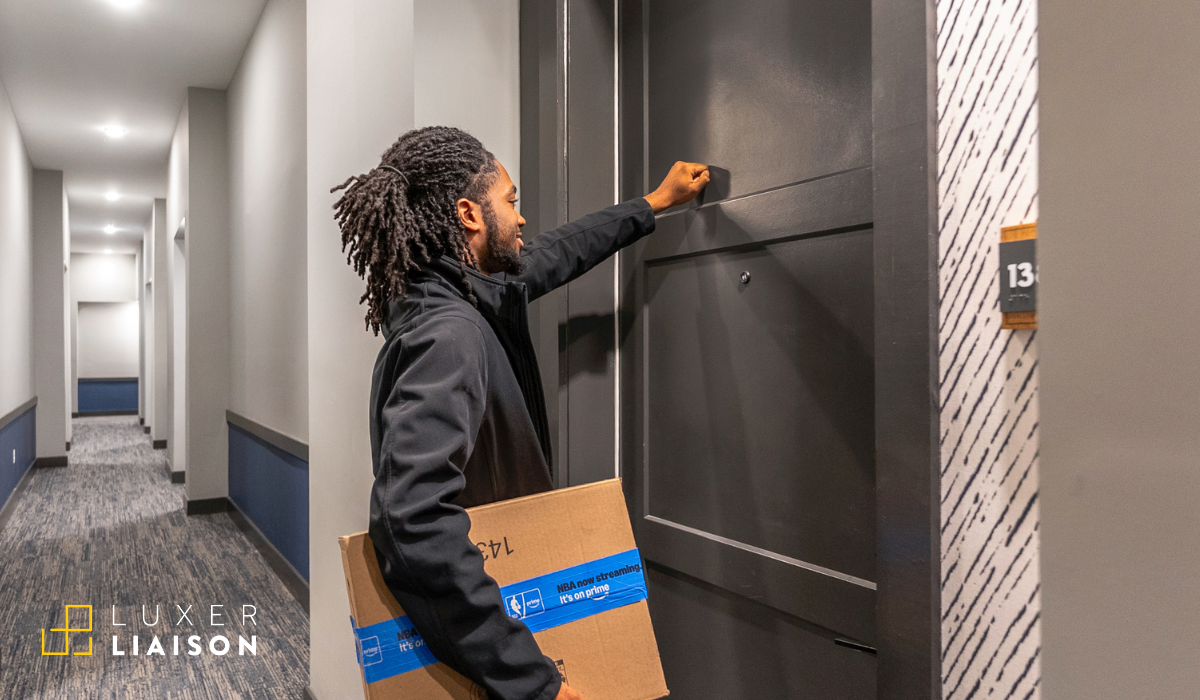
On-site package concierge, Luxer Liaison holding a package in a clean package room

Best Practices to Manage the Surge

The good news? Property managers can take proactive steps now to minimize disruption and improve the resident experience. Here are some quick, practical strategies:

  • Communicate early with residents about expected delivery surges.

  • Designate overflow zones or temporary storage areas for package spillover.

  • Coordinate with carriers to manage high-volume delivery days.

  • Use technology to automate notifications and streamline pickups.

  • Encourage timely retrieval by reminding residents of limited space.

For a deeper dive into seasonal strategies, check out our guide: How to Prepare for Holiday Package Piles.

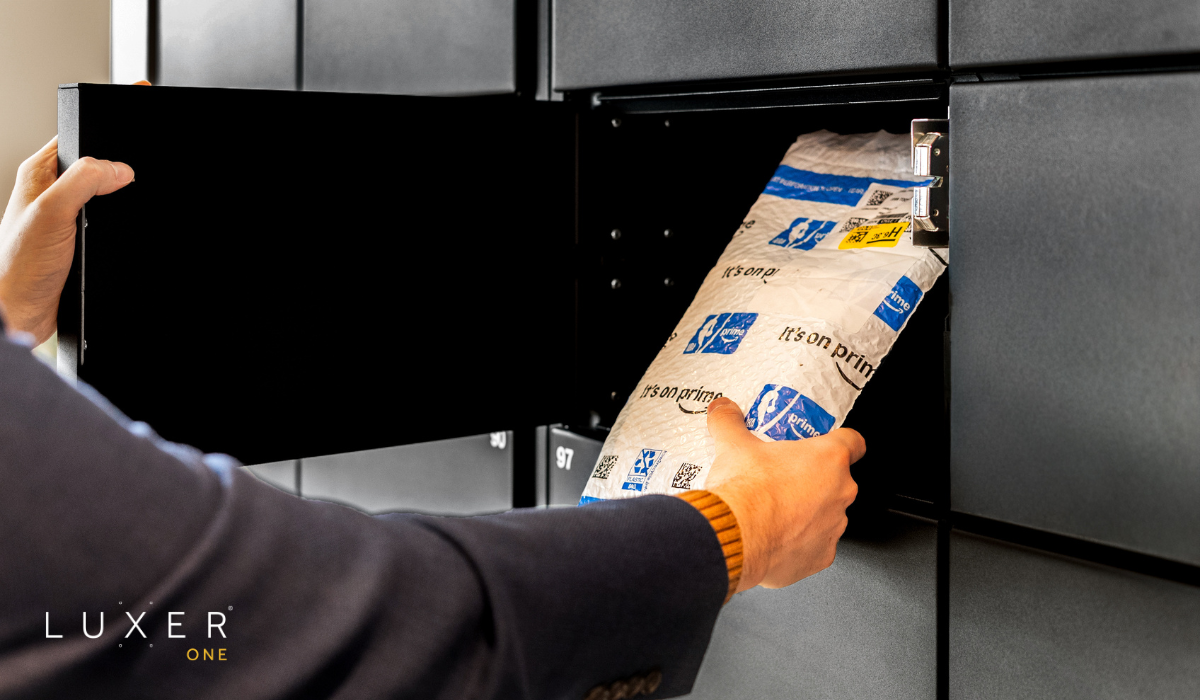
Carrier delivering package to smart parcel lockers from Luxer One

How Luxer One Helps You Stay Ahead

At Luxer One, we’ve seen the Prime Day effect on multifamily firsthand, and we’ve built solutions designed to handle these surges with ease:

  • Scalable package rooms and smart package lockers to accommodate sudden spikes.

  • Automation that prevents bottlenecks and reduces staff workload.

  • Resident-friendly access with 24/7 availability.

  • Real-time dashboards for staff to track and manage deliveries.

  • Dedicated support that keeps everything running smoothly, even at peak times.

When Prime Day hits and the holidays roll in, your community can’t afford delivery chaos. Investing in the right package management solution means protecting your staff’s time, securing resident satisfaction, and setting your property apart from the competition.

Don’t Wait Until the Packages Pile Up

The Prime Day surge is just around the corner. Make sure your community is ready. Contact Luxer One today to prepare for the Prime Day effect and prevent holiday delivery chaos before it begins.

  • Christina Draper

    Christina Draper, Marketing Content Manager at Luxer One, creates storytelling-driven content that connects with property management professionals and highlights innovations in multifamily package management. With a marketing background from UNC Charlotte, she develops cross-channel campaigns that showcase how Luxer One is redefining the resident experience.

    See Posts

RECENT POSTS

The State of the Multifamily Market: Stability Is Returning, but Discipline Still Matters

The State of the Multifamily Market: Stability Is Returning, but Discipline Still Matters

After several years of volatility, the state of the multifamily market entering 2026 feels more predictable than it has since the early post-pandemic period. Rent growth has normalized, supply pressures are beginning to ease in many metros, and demand fundamentals are slowly strengthening. However, this is not a return to the high-growth environment operators experienced earlier in the decade.
Instead, the Q1 2026 outlook reflects a market where stability is returning, but performance depends heavily on operational discipline, cost control, and resident experience. Properties that adapt to this reality are finding steadier footing. Those that rely on outdated assumptions or inefficient systems may struggle to keep pace.
This Q1 2026 multifamily market report breakdown explores what the latest data is telling operators and what it means for day-to-day decision-making.

Read More »
Smart Lockers for Asset Exchange and Package Management in the Modern Workplace

Smart Lockers for Asset Exchange and Package Management in the Modern Workplace

Workplace operations have changed dramatically in recent years. Hybrid schedules, distributed teams, and higher expectations for speed and accountability have reshaped how offices manage equipment, documents, and deliveries. As a result, many organizations are rethinking how assets move through the workplace.
That shift is driving increased demand for smart lockers for asset exchange and package management, a secure and automated solution designed to reduce loss, streamline workflows, and scale with enterprise operations. For workplace managers and operations directors, smart lockers are no longer a convenience. They are becoming a core infrastructure tool for the modern workplace.

Read More »
How to Save Time and Money with Package Management at Apartments

How to Save Time and Money with Package Management at Apartments

Smart lockers and package rooms have become essential infrastructure for modern apartment communities. They create secure, self-service delivery workflows, reduce front office congestion, and give residents flexibility to pick up packages on their own schedule.
For many communities, these systems already do most of the heavy lifting. But at larger properties or across growing portfolios, even the best package management technology benefits from consistent human support.
That is where onsite package management staff come in. When paired with smart lockers and package rooms, they help communities save time and money with package management by ensuring systems are used properly, residents are supported, and onsite teams stay focused on higher-value work.

Read More »
Unlocking Revenue with Smart Lockers: A Strategic Response to Online Cart Abandonment

Unlocking Revenue with Smart Lockers: A Strategic Response to Online Cart Abandonment

Online cart abandonment is not a new problem, but it is becoming a more expensive one.
As ecommerce has matured, shopper expectations have risen just as fast. Convenience, flexibility, and control now play as large a role in conversion as price or product availability. When those expectations are not met, shoppers hesitate, leave, and often do not return.
For retail operations leaders, cart abandonment should no longer be viewed as just a marketing or UX issue alone. It’s also a fulfillment and operational challenge, and one that demands a more strategic response.

Read More »

TOPICS

Share: