
LUXER ONE BLOG

ROI of Order Pickup Smart Lockers at Big Box Retailer

Photo of a building

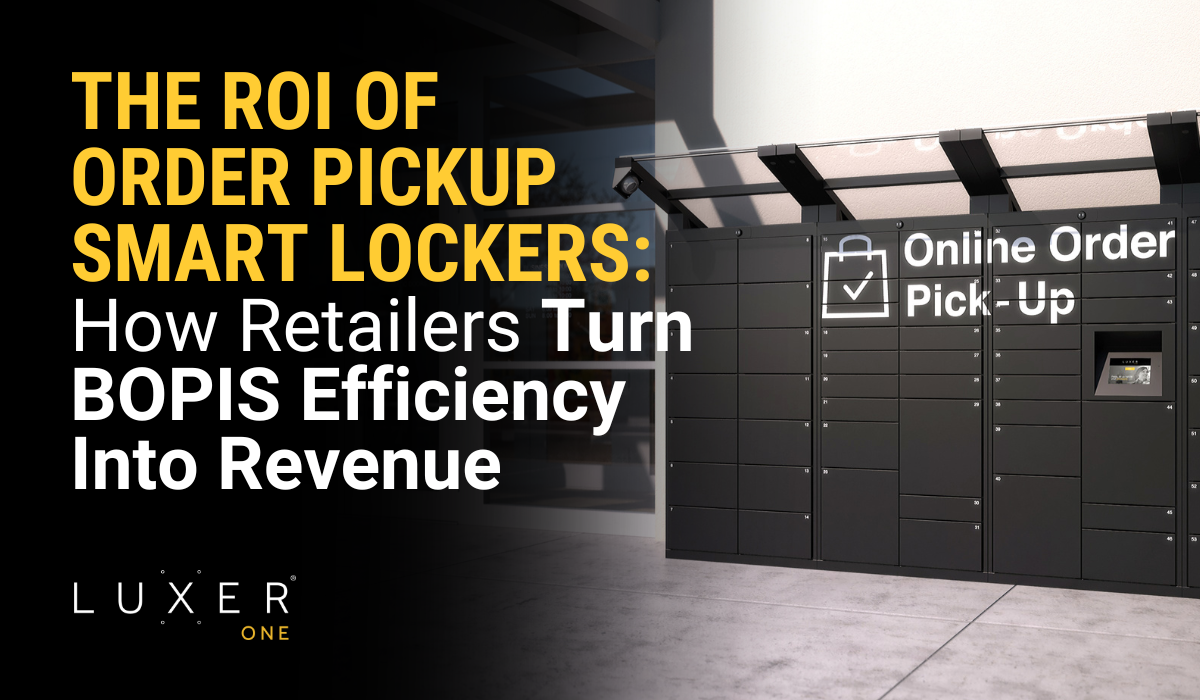
A significant percentage of today’s would-be retail customers are reluctant to go to their favorite store due to the COVID-19 pandemic. But many of America’s savviest retailers are adapting by deploying smart lockers, a new tool providing the security of contact-free pick-up and an enhanced financial forecast. Learn about the ROI of BOPIS smart locker solutions for the retail industry.

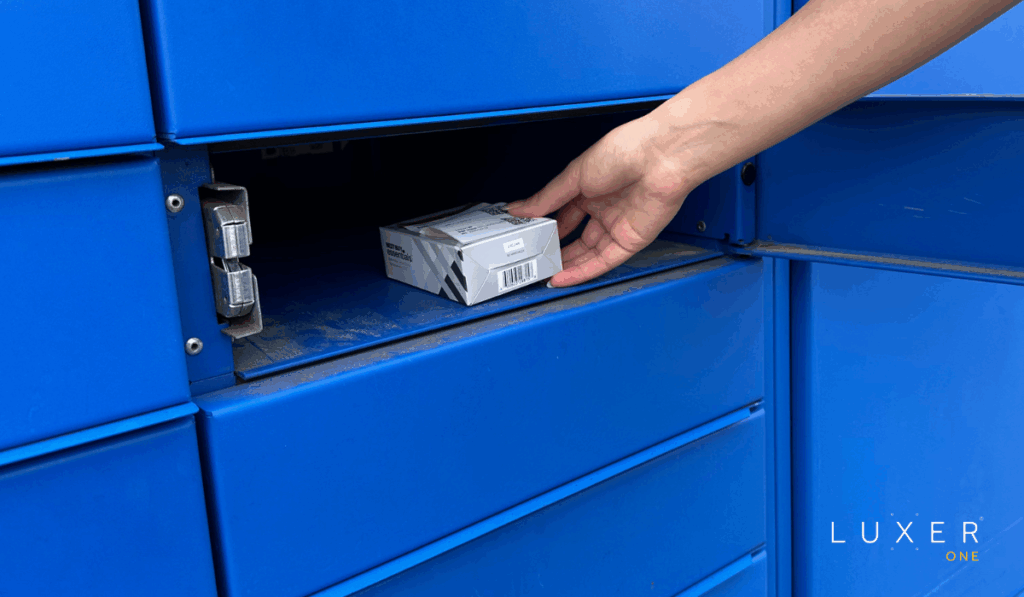
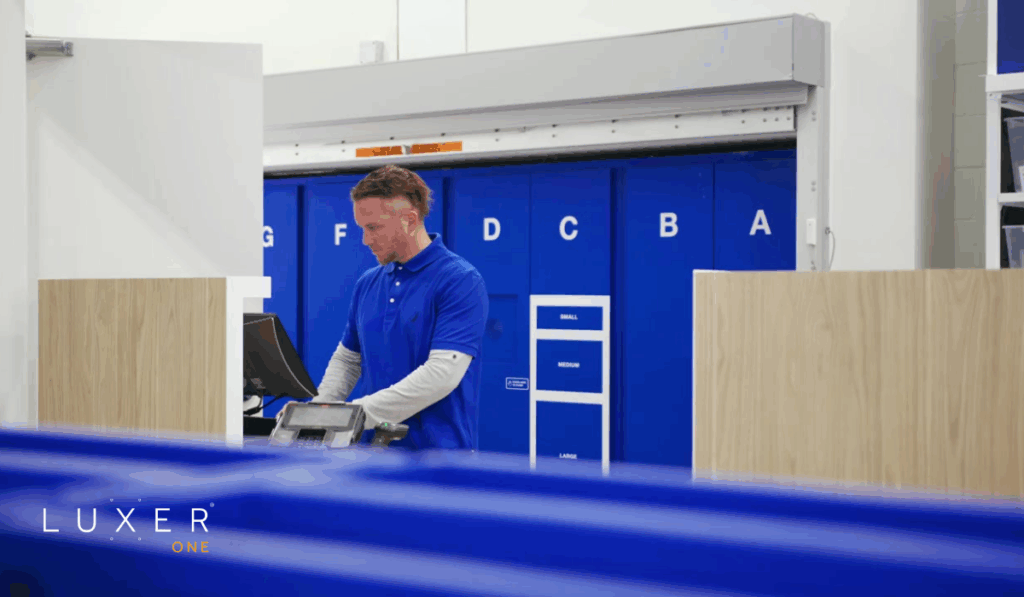
These modular lockers are the latest innovation in the buy-online-pickup-in-store (BOPIS) business model, offering retail customers comfortable and convenient 24-hour, no-contact, self-service retrieval and return access using superior technology.

“Smart lockers benefit both the customer and the retailer,” say Arik Levy, Founder and CEO of Luxer One, a pioneer in the smart locker industry. “For the customer, it means fast, safe and secure pick-up and return processes that can be done without contact. For the retailer, smart lockers pave the way to a better bottom line due to reduced labor costs; and the technological upgrade allows them to compete in a similar arena with online giants like Amazon.”

Cost Savings of $.90

A new commissioned study by Forrester Consulting on behalf of Luxer One, conducted on one the country’s largest home improvement retailer, confirms the cost-benefits of a smart locker system. The Total Economic Impact (TEI) study reveals store-based lockers are directly responsible for a total internal labor savings of $57.6 million. That is $.90 cost savings per order based on a $15/hour wage. However, the ROI on BOPIS lockers goes beyond monetary-savings!

Rating

The study also indicates these lockers have a positive impact upon customer satisfaction in multiple ways. First, locker users are five percent happier than their counterparts forced to stand in line at a customer service desk. Second, the mere presence of these lockers improves a store’s image with all customers.

Happier customers are likely to spend more, and Forrester Consulting data estimates the retailer studied will enjoy an additional $14 million due directly to this increase in customer satisfaction marking a remarkable return on investment.

Reach out to us to see how we’ve helped over 1,400 retail locations with their order pickups. To download an infographic on the study’s findings, please complete the form:


  • Christina Draper

    Christina Draper, Marketing Content Manager at Luxer One, creates storytelling-driven content that connects with property management professionals and highlights innovations in multifamily package management. With a marketing background from UNC Charlotte, she develops cross-channel campaigns that showcase how Luxer One is redefining the resident experience.

    See Posts

RECENT POSTS

The State of the Multifamily Market: Stability Is Returning, but Discipline Still Matters

The State of the Multifamily Market: Stability Is Returning, but Discipline Still Matters

After several years of volatility, the state of the multifamily market entering 2026 feels more predictable than it has since the early post-pandemic period. Rent growth has normalized, supply pressures are beginning to ease in many metros, and demand fundamentals are slowly strengthening. However, this is not a return to the high-growth environment operators experienced earlier in the decade.
Instead, the Q1 2026 outlook reflects a market where stability is returning, but performance depends heavily on operational discipline, cost control, and resident experience. Properties that adapt to this reality are finding steadier footing. Those that rely on outdated assumptions or inefficient systems may struggle to keep pace.
This Q1 2026 multifamily market report breakdown explores what the latest data is telling operators and what it means for day-to-day decision-making.

Read More »
Smart Lockers for Asset Exchange and Package Management in the Modern Workplace

Smart Lockers for Asset Exchange and Package Management in the Modern Workplace

Workplace operations have changed dramatically in recent years. Hybrid schedules, distributed teams, and higher expectations for speed and accountability have reshaped how offices manage equipment, documents, and deliveries. As a result, many organizations are rethinking how assets move through the workplace.
That shift is driving increased demand for smart lockers for asset exchange and package management, a secure and automated solution designed to reduce loss, streamline workflows, and scale with enterprise operations. For workplace managers and operations directors, smart lockers are no longer a convenience. They are becoming a core infrastructure tool for the modern workplace.

Read More »
How to Save Time and Money with Package Management at Apartments

How to Save Time and Money with Package Management at Apartments

Smart lockers and package rooms have become essential infrastructure for modern apartment communities. They create secure, self-service delivery workflows, reduce front office congestion, and give residents flexibility to pick up packages on their own schedule.
For many communities, these systems already do most of the heavy lifting. But at larger properties or across growing portfolios, even the best package management technology benefits from consistent human support.
That is where onsite package management staff come in. When paired with smart lockers and package rooms, they help communities save time and money with package management by ensuring systems are used properly, residents are supported, and onsite teams stay focused on higher-value work.

Read More »
Unlocking Revenue with Smart Lockers: A Strategic Response to Online Cart Abandonment

Unlocking Revenue with Smart Lockers: A Strategic Response to Online Cart Abandonment

Online cart abandonment is not a new problem, but it is becoming a more expensive one.
As ecommerce has matured, shopper expectations have risen just as fast. Convenience, flexibility, and control now play as large a role in conversion as price or product availability. When those expectations are not met, shoppers hesitate, leave, and often do not return.
For retail operations leaders, cart abandonment should no longer be viewed as just a marketing or UX issue alone. It’s also a fulfillment and operational challenge, and one that demands a more strategic response.

Read More »

TOPICS

Share: