





Universities are facing pressure to manage technology as conveniently as students and faculty experience other aspects of campus life.
Traditional distribution methods often struggle to keep up with demand. Manual checkouts, limited office hours, long lines, and inconsistent tracking can create challenges for IT teams and students. As campuses continue modernizing operations, many universities are rethinking their IT equipment distribution process.

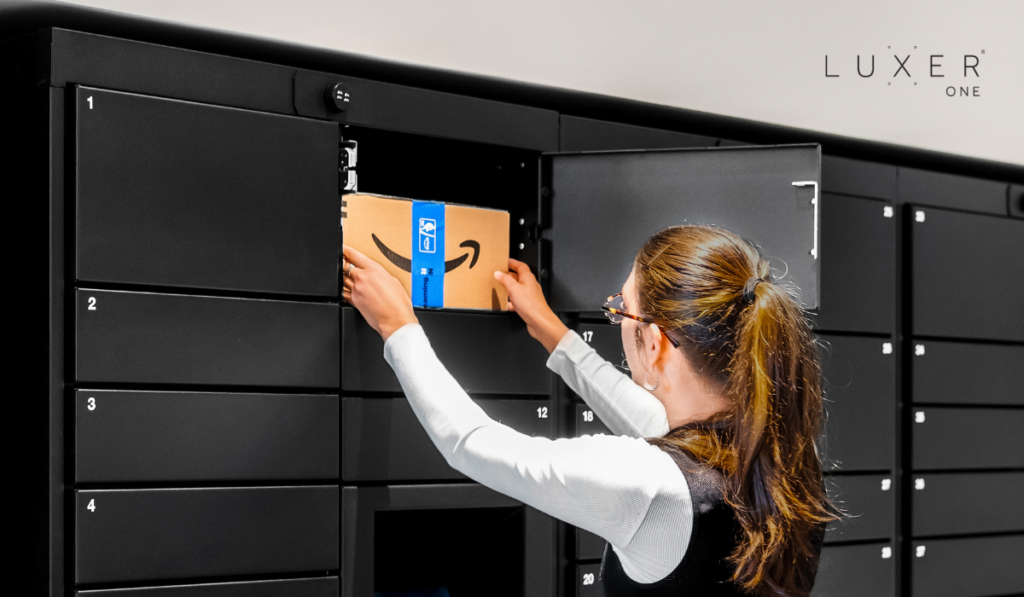
Amazon Prime Day isn’t just a shopping holiday anymore, it’s a logistical event that reshapes how communities handle deliveries. Not to mention it feels like they add a new Prime event every year! With the October Prime Day approaching, multifamily properties should expect another surge of packages that can rival peak holiday season. For property managers and regional managers, the Prime Day effect on multifamily means crowded lobbies, strained staff, and rising resident expectations for seamless service.
But with the right preparation, you can turn this challenge into an opportunity to boost resident satisfaction and prove your property is ahead of the curve.
If you’re asking yourself “What is the best package management solution for my community?”, you’re in the right place. Below, we’ve outlined the most common questions property managers face, along with insights from our Multifamily Guide to Package Management.

Every June, the multifamily industry converges in one city to do something that doesn’t happen the rest of the year: slow down long enough to look up.
Apartmentalize 2026 brought that moment to New Orleans. And what the conversations, sessions, and hallway exchanges reflected was an industry in genuine transition. Not crisis nor boom, but something more nuanced than either of those words captures.
A sector that is recalibrating. Figuring out what works, what doesn’t, and what has to change.
Here is what stood out.

Most property managers and regional managers don’t describe their job as managing amenities or overseeing systems. They describe it as keeping everything moving.
Leasing. Renewals. Maintenance requests. Resident communication. Vendor relationships. Staff coverage. And somewhere in the middle of all of that, making sure the day-to-day experience of actually living in their community feels effortless for the people who call it home.
That is a lot to hold together. And the bar keeps rising.

At Luxer One, our VAR (Value Added Reseller) partners are a big part of what makes our solutions work in the real world. Our Partner Spotlights highlight the people solving real operational challenges every day.
This month, we’re featuring Craig Meddin, Founder and CEO of Postal Solutions. With more than 25 years in the industry, Craig has built a business centered on helping properties simplify mail and package management, not just with technology, but with the right systems behind it.