



In this blog, we’ll explore how university mailrooms can adapt to rising package demand, what the most effective systems have in common, and why traditional approaches are no longer enough to keep up.
Common Ways Universities Manage Packages Today
There’s no one-size-fits-all approach when it comes to package management. There are a variety of options depending on campus size, staffing, budget, and package volume. Each model comes with its own advantages and limitations.
Traditional Mailrooms
Many universities rely on traditional over-the-counter package distribution, where staff manually sort, log, and hand packages to students.
Pros
- Familiar process for staff and students
- Lower upfront investment and cost
- Works for campuses with lower package volume
Cons
- Labor reliant and difficult to scale
- Long lines during busy periods
- Limited pickup hours for students
- Higher risk of misplaced packages
Package Rooms and Shelving Systems
Some campuses use dedicated package rooms or organized shelving systems for student self-pickup.
Pros
- More storage capacity than standard mailrooms
- Can improve package organization
- Reduced staff involvement
- Lower cost than other tech foward systems
Cons
- Security and theft can become a challenge
- Students may still experience wait times
- Difficult to manage during high-volume periods
- Limited pickup hours for students
Off-Site Mail and Package Centers
Some universities partner with third-party providers to manage campus mail and package operations, keeping it completely off-site.
Pros
- Reduces operational burden on campus staff
- Can improve theft and security concerns
- No dedicated space is needed
- May provide additional logistical support
Cons
- Less control over the student experience
- Higher operational costs
- Pickup/dropoff convenience varies by location and hours
- More opportunity for misplaced packages
Smart Locker Systems
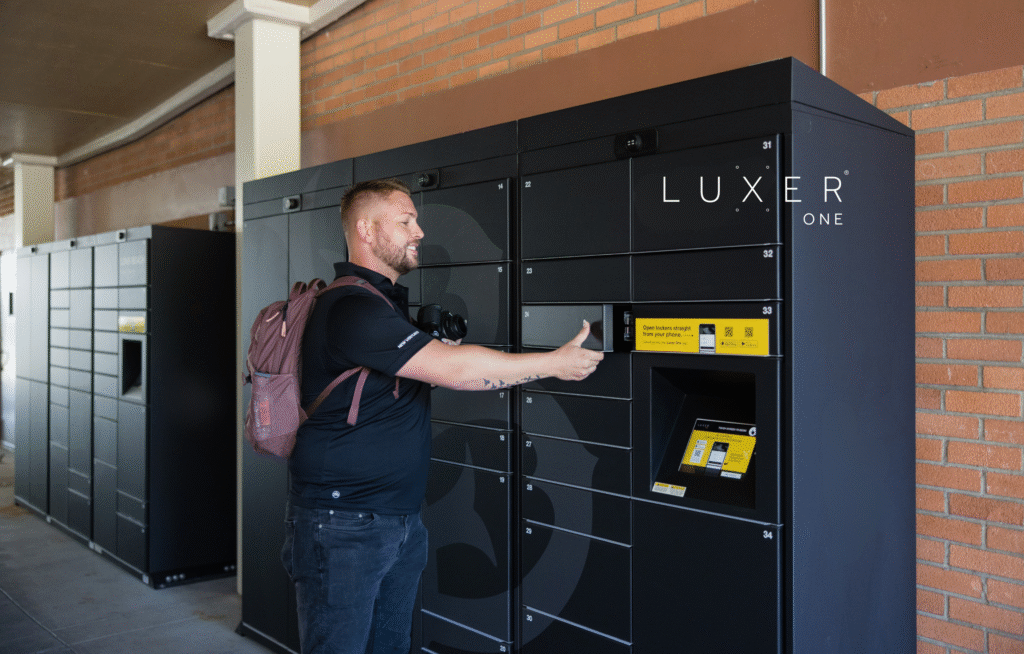
An increasing amount of universities use automated locker systems that allow packages to be stored and picked up anytime on campus.
Pros
- Little to no staff involvement
- Supports 24/7 self-service pickup
- Improves package tracking and security
- Scales easily with growing package volume
Cons
- Higher upfront investment and cost
- Requires space for locker installation
- Some training is involved for staff and student use
Why Traditional University Mailrooms Are No Longer Sustainable
Most campus mailrooms were not designed for today’s package volume. Manual logging, counter hand-offs, and limited storage space create bottlenecks that slow down operations and put unnecessary strain on staff.
Staff often spend hours each day sorting packages, notifying recipients, and managing long pickup lines. During peak times like move-in season or holidays, these challenges are amplified, leading to overcrowded mailrooms and increased risk of lost or misplaced packages.
This isn’t just an inconvenience, it’s a labor and cost problem. As package volume continues to rise, adding more staff or extending hours only provides temporary relief, and costs you in the long run.
Student Expectations Have Changed
On top of package volume, students expect convenience and speed in nearly every aspect of life, and package delivery is no exception. Waiting in line during limited mailroom hours no longer meets these expectations. Students want the ability to pick up their packages on their own time, whether that’s between classes, late at night, or on weekends.
In our 2025 University Package Volume Report, we found that 33% of students pick up their packages within 6 hours, and 53% pick up within 12. This behavior shows us that students expect fast access to their deliveries. Delays in access or notifications can quickly create friction during high volume periods.
What to Look for in a Package Management System
As universities look for better ways to manage packages, the most effective solutions share a few key characteristics:
- Reduces staff involvement
Minimizes manual handling so staff spend less time managing packages.
- Offers a self-service “handsoff” approach
Allows students to pick up packages on their own time, 24/7.
- Automates notifications and pickups
Sends instant alerts and instructions, eliminating manual communication.
- Provides trackable & secure storage
Ensures every package is logged, monitored, and safely stored until pickup.
- Ability to scale to handle fluctuations in volume
Options for package rooms or locker additions during busy periods.
How Smart Lockers Transform University Mailrooms
Smart locker systems have quickly become the gold standard for university package management because they address the core challenges campuses face today.
In one university, implementing a smart locker system dramatically improved mailroom operations.
- The mailroom now accommodates 200-250 packages per day easily
- The system allows 3 students to pick up deliveries simultaneously
- Lines of 30–40 students were reduced to ZERO
- The package pickup process became 60% faster
“What we had been doing with mailboxes was akin to 1920s technology. With Luxer One as our partner, we pushed into the future with technology that we actually need for today’s students.”
–Shipping/Receiving Manager
The university got valuable space back, enabling them to explore renting PO boxes!
Read the full case study here.
The Best Way for University Mailrooms
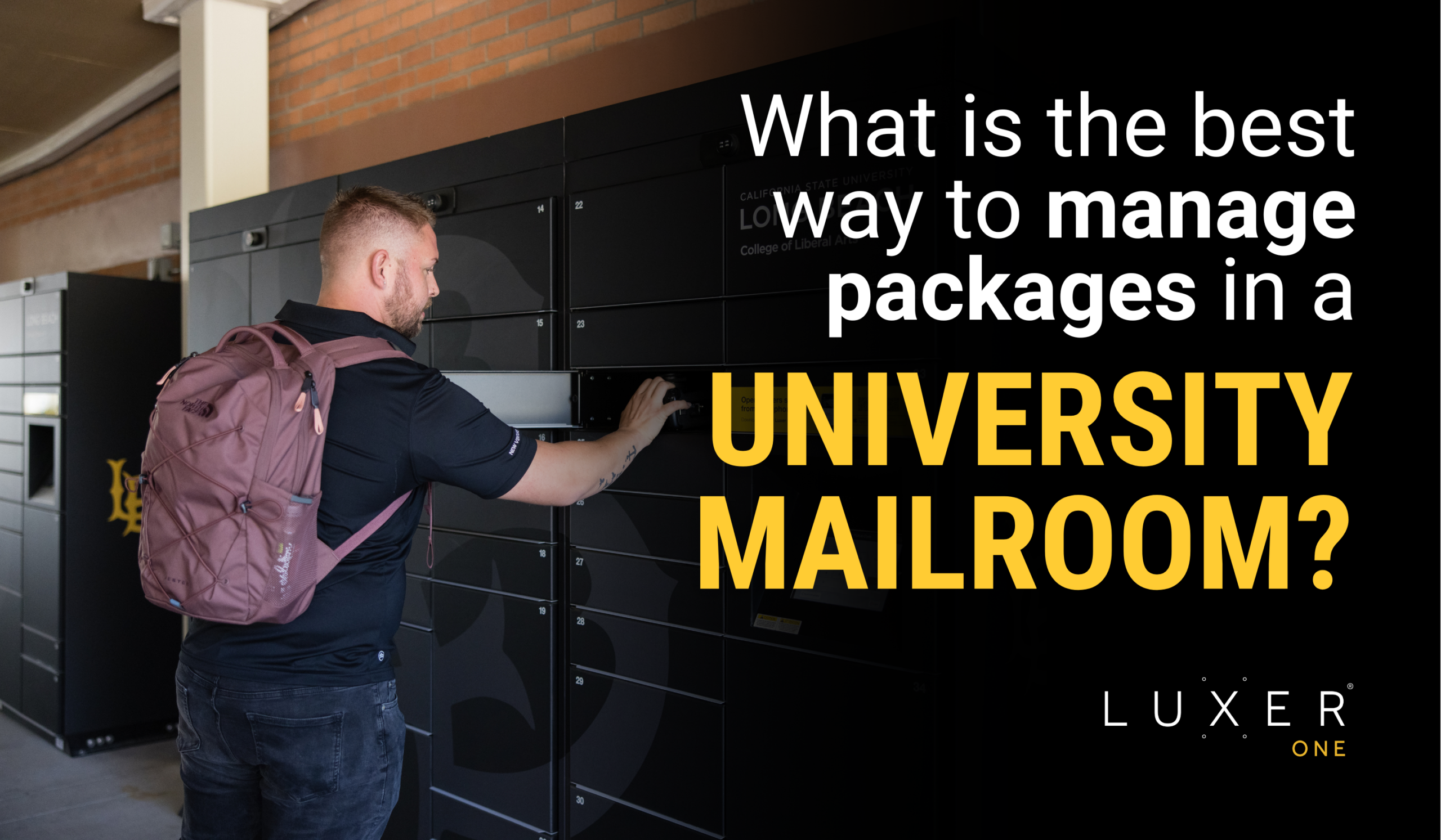
So what is the best way to manage packages in a university mailroom?
For a growing number of campuses, the answer is clear: move away from manual processes and adopt a self-service, tech forward solution that scales with demand.
Universities that make this shift aren’t just solving today’s challenges, they’re building a more efficient experience for years to come.
If you’re ready to bring convenience and efficiency to your campus operations, explore our full campus solutions!
-
See Posts
Lauren Buote is a Marketing Coordinator at Luxer One who blends her fine arts background from North Carolina State University, with marketing experience in small businesses and museums. She specializes in content and design that support Luxer One’s storytelling and brand growth in the Commercial sector.