

LUXER ONE BLOG

Convenience and Security: Benefits of HID (RFID) with Luxer One

Convenience and Security: Benefits of HID (RFID) with Luxer One

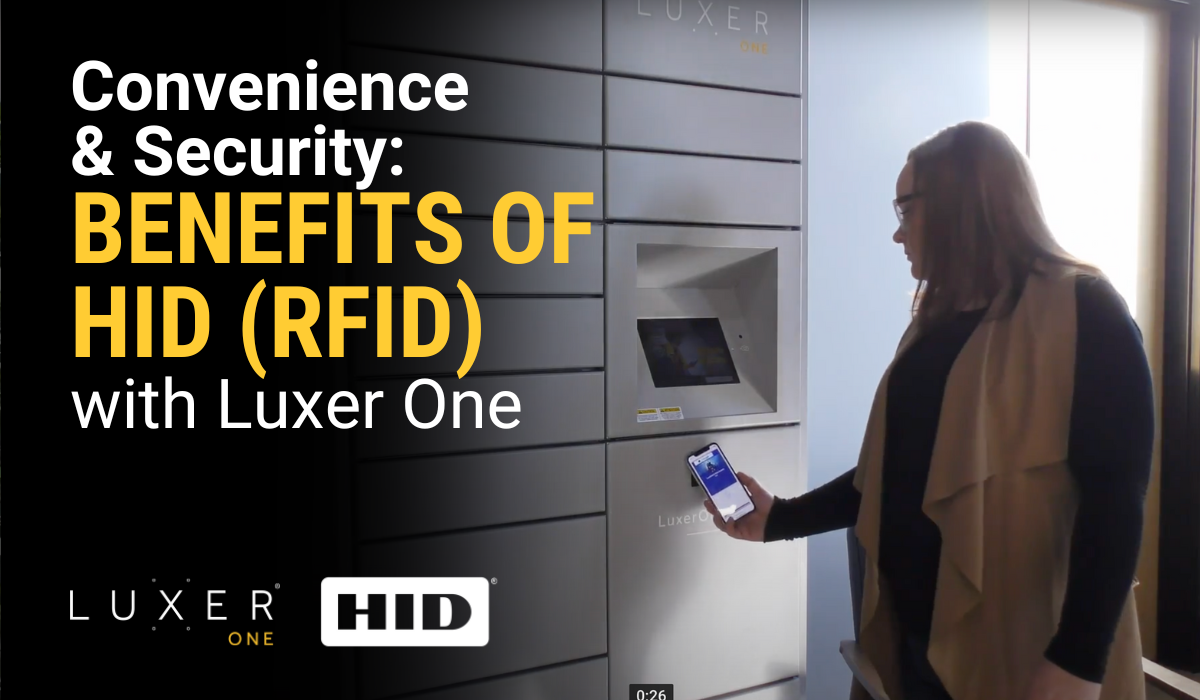
The integration of HID (RFID) reader technology into Luxer One’s smart locker system is a game-changer in the smart locker market. This technology offers a plethora of benefits to different types of facilities, including offices, residential properties, libraries, and retail stores.

One of the most significant advantages of HID and badge scanners is enhanced security. In traditional locker systems, users have to remember a PIN code or carry around a key, which can easily be lost or stolen. With RFID badges, locker users can access their packages and belongings securely, without worrying about unauthorized access. This increased security feature is especially crucial in office buildings where sensitive documents and equipment are stored in lockers.

RFID badges are simple to use and require only a tap to access lockers, making the process quicker and more efficient than traditional locker systems. For facilities such as residential properties and libraries, this convenience is especially important as it can save time and effort spent accessing items stored in lockers.

The integration of HID (RFID) readers into smart locker systems can also streamline asset and package exchange processes, reducing the workload for building staff. By integrating with preexisting access control systems, building managers can track all access activity, enhancing the overall experience for locker users.

  • Offices – Employees can quickly and easily access their belongings without having to search for keys or remember PIN codes. This streamlined process can reduce the time and frustration spent on retrieving packages, increasing productivity in the workplace.
  • Residential Properties (Apartment Buildings & University Student Housing) – Students and residents can access their packages and belongings securely, even when they are not present, eliminating the need for them to wait around for package deliveries. This convenience is especially important in busy urban areas where package theft is a common occurrence.
  • Libraries – Library patrons can use their RFID badges to access lockers to retrieve books or other library materials, making the borrowing process faster and more efficient. This streamlined process can improve library services and increase patron satisfaction.
  • Retail – By providing secure and convenient lockers for package storage, retailers can improve the overall customer experience. This can lead to increased customer loyalty and repeat business.


The integration of HID and badge scanners into smart locker systems, such as Luxer One, offers many benefits to different types of facilities. The enhanced security, convenience, and streamlined processes make this integration a game-changer in the smart locker market.

Facilities that prioritize security, speed, and ease-of-use should consider the integration of HID and badge scanners into their smart locker systems.

Looking to implement HID (RFID) capable lockers into your location? Contact our team!

  • Christina Draper

    Christina Draper, Marketing Content Manager at Luxer One, creates storytelling-driven content that connects with property management professionals and highlights innovations in multifamily package management. With a marketing background from UNC Charlotte, she develops cross-channel campaigns that showcase how Luxer One is redefining the resident experience.

    See Posts

RECENT POSTS

What to Look for in a Package Management Solution for Multifamily Communities

Package Management Solution Tips: What Multifamily Communities Should Look for Today

Package management is no longer a behind-the-scenes operation. For multifamily communities, it has become a defining part of the resident experience.
Properties are facing a surge in deliveries, increasing pressure on staff, and rising expectations from residents who want fast, secure, and convenient package access. What used to be a minor operational task is now a major decision point for property performance.
That’s why having the right strategy matters. This guide to package management will walk through the most important factors to consider so your property can stay efficient, competitive, and resident-focused.

Read More »
Stop Hoping Packages Show Up: Why Control Matters More Than Convenience

Stop Hoping Packages Show Up: Why Control Matters More Than Convenience

For years, multifamily communities have been told that convenience is the answer to growing delivery volume. Add another step. Introduce another service. Reroute the problem somewhere else.
But what happens when convenience creates more complexity?
What you’re left with is something many property teams know all too well: package chaos.
And the reality is simple. You don’t solve logistics by adding more logistics.

Read More »

Partner Spotlight: Craig Meddin, Postal Solutions

At Luxer One, our VAR (Value Added Reseller) partners are a big part of what makes our solutions work in the real world. Our Partner Spotlights highlight the people solving real operational challenges every day.

This month, we’re featuring Craig Meddin, Founder and CEO of Postal Solutions. With more than 25 years in the industry, Craig has built a business centered on helping properties simplify mail and package management, not just with technology, but with the right systems behind it.

Read More »
Spring Cleaning: How to Audit Package Lockers for More Efficient Deliveries

Spring Cleaning: How to Audit Package Lockers for More Efficient Deliveries

Package volume isn’t slowing down. It’s accelerating.
In 2025, nearly 24 billion packages were delivered in the U.S., averaging more than 90 million deliveries every weekday. For multifamily communities, that translates to one reality: more deliveries, more pressure, and more opportunities for breakdowns in your package system.
That’s why understanding how to audit package lockers is no longer optional. It is essential to maintaining efficient deliveries, satisfied residents, and controlled operational costs.

Read More »

TOPICS

Share: