




LUXER ONE BLOG

Spring Cleaning for Multifamily: Ensure Efficient Deliveries with Regular Audits

Spring Cleaning for Multifamily: Ensure Efficient Deliveries with Regular Audits

With the rise of e-commerce, communities are handling more packages than ever before. In fact, our data reveals that the average apartment complex receives between 50 to 100 packages per day, with that number surging even higher during peak shopping seasons. The global B2C ecommerce market reached $4.8 trillion in 2023 and is expected to grow to $9 trillion by 2032. A growth rate of 7% is anticipated over the next 3 years alone!

Conducting routine package audits is one of the simplest yet most effective ways to maintain order and improve efficiency in your community. Packages can pile up quickly, and when deliveries are misplaced, lost, or left unclaimed, frustration builds. Not only do residents become unhappy, but staff members also waste valuable time resolving these issues.

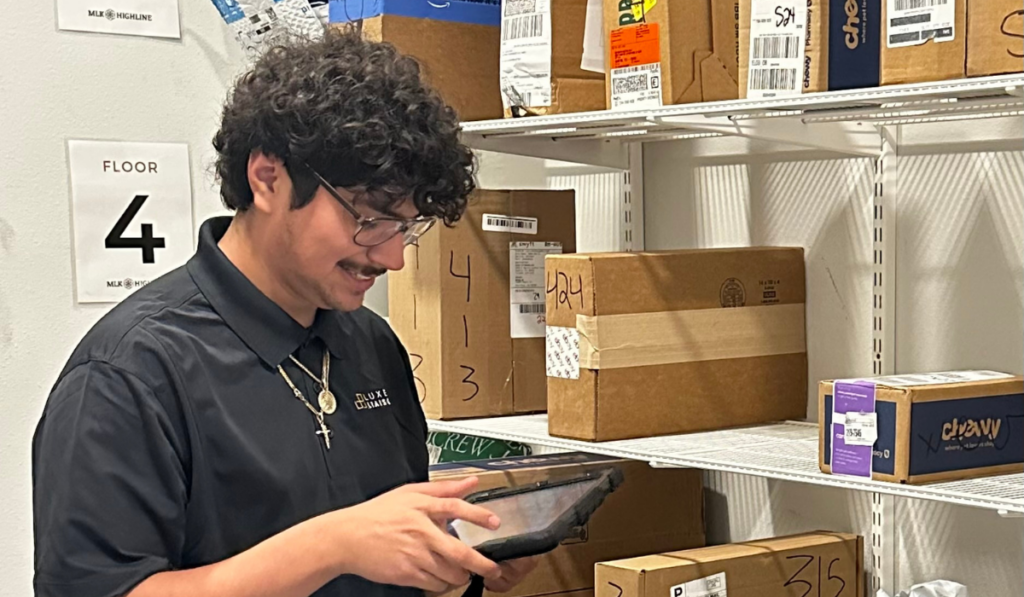
Packages pile up quick in multifamily communities without package management solutions

By implementing regular audits, your team can keep package areas organized, ensure prompt deliveries, and streamline overall management. Here’s how to make it an efficient and effective process:

Step 1: Establish a Package Audit Schedule

Scheduling consistent package audits is key to preventing clutter and confusion. We recommend performing audits weekly or biweekly to stay on top of deliveries. This proactive approach eliminates package pileups and ensures your storage area remains clear, organized, and easy to navigate.

Conduct regular audits of your package rooms and locker systems to ensure efficiency and accuracy

Step 2: Categorize Deliveries for Easy Retrieval

Sort packages by factors like:

  • Delivery date
  • Building section or floor
  • Resident last name or unit number

This method allows staff to locate packages faster, reducing frustration for both employees and residents. A structured storage system also minimizes the risk of lost or forgotten deliveries.

Step 3: Train Staff in Thorough Audit Procedures

An efficient audit process depends on well-trained staff. Ensure your team understands your tracking software and follows standardized steps when conducting audits. Clear procedures will boost accountability and ensure consistent results.

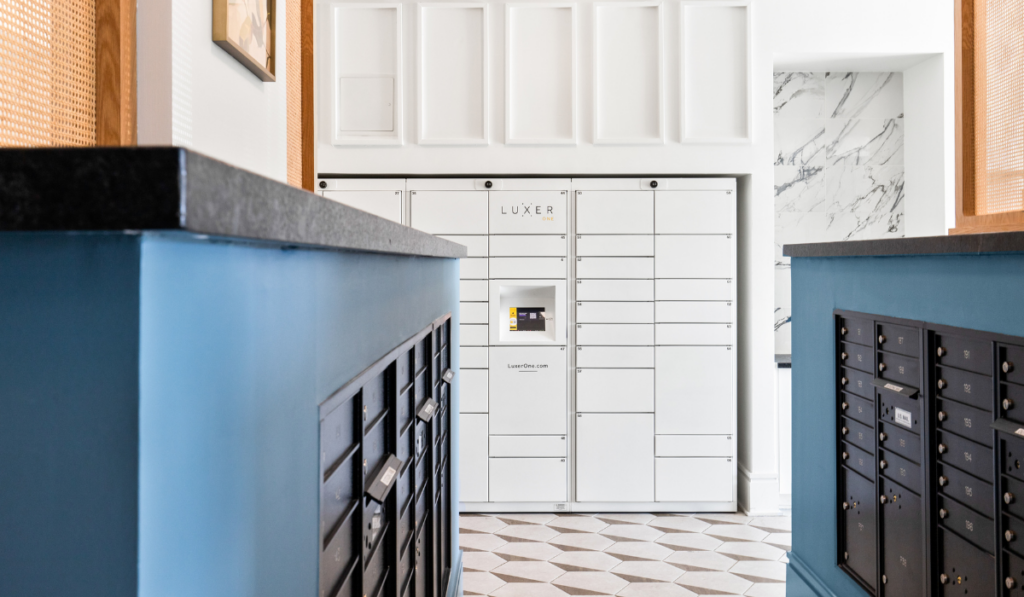
If you’re utilizing a package management solution such as smart lockers or package rooms be sure to educate staff on how to review the system. When packages are delivered and picked up appropriately it’s easier for the system to send the correct notifications. Additionally, reviewing whether lockers are truly occupied can help ensure delivery optimization for carriers.

Luxer Liaison: Professional package experts to help maintain package management solutions

Step 4: Leverage Professional Support

If your team is stretched thin, bringing in additional support can save time and improve outcomes. Luxer Liaison, an exclusive service for Luxer One clients, offers dedicated on-site support to manage your community’s package volume. Our Liaisons:

  • Oversee regular package audits
  • Manage all direct communications with residents via email
  • Develop and maintain relationships with carriers
  • Deliver oversized packages straight to residents’ doors

Experience improved organization, reduced staff stress, and happier residents with the helpful hands of Luxer Liaisons.

Stay Ahead with Smart Package Management

Proactive package audits are a simple yet powerful tool to maintain order and ensure deliveries flow smoothly. Whether you implement an internal audit schedule or opt for Luxer Liaison support, taking control of your package management strategy will enhance resident satisfaction and improve staff efficiency.

Discover how we can help streamline your package process when you contact us today!

  • Christina Draper

    Christina Draper, Marketing Content Manager at Luxer One, creates storytelling-driven content that connects with property management professionals and highlights innovations in multifamily package management. With a marketing background from UNC Charlotte, she develops cross-channel campaigns that showcase how Luxer One is redefining the resident experience.

    See Posts

RECENT POSTS

woman shopping in person pickup

Has Delivery Replaced Pickup? What the Data Says About Retail’s Next Chapter

Retailers face more choices than ever when it comes to fulfillment: ship-to-home, same-day delivery, third-party courier pick-ups, and in-store or curbside pickup (BOPIS – Buy Online, Pickup In-Store). Is the traditional in-person pickup model fading away in favor of delivery and third‐party logistics? Data suggests that in-store/curbside pickup remains not only relevant but increasingly important, in a transformed, omnichannel context.

Read More »
Best Practices For Package Locker Setup In Apartments

Best Practices For Package Locker Setup In Apartments

Package lockers have become an essential amenity in modern apartment communities. With daily delivery volumes rising and residents expecting secure self-service pickup, a well planned locker setup can make a major difference in resident satisfaction and staff efficiency. Below are the top questions property managers ask when planning a successful package locker deployment, along with practical best practices.

Read More »
The Future of Real Estate Technology: What Multifamily Leaders Should Prepare For Now

The Future of Real Estate Technology: What Multifamily Leaders Should Prepare For Now

Real estate tech is advancing faster than ever, and multifamily operators are feeling the shift across every corner of their portfolios. AI adoption is accelerating, centralized operations are becoming the standard, and residents expect more connected, digital-first experiences in their homes. Following recent industry conversations, including trends highlighted at OPTECH 2025, the future of real estate technology is taking shape around efficiency, data intelligence, automation, and resident expectations.
For multifamily leadership teams, understanding where the industry is heading is only half the challenge. The real task is identifying the practical steps to stay competitive today while preparing for what is next.
Below is a look at what is driving the future of real estate technology, supported by the latest industry data, along with actionable insights you can use to future-ready your operations.

Read More »
The Impact of Online Shopping on Multifamily and Why Package Management Matters More Than Ever

The Impact of Online Shopping on Multifamily and Why Package Management Matters More Than Ever

Online shopping continues to grow at a rapid pace, and multifamily communities are feeling the effects more than almost any other sector. In early 2025, U.S. e-commerce sales were up 5.3% year-over-year, reaching 15.5% of all retail spending, according to the U.S. Census Bureau. At the same time, global online shopping participation surpassed 2.7 billion digital buyers, reflecting a long-term shift toward online purchasing.
For multifamily operators, regional managers, and asset managers, this trend creates a daily operational reality: higher-than-ever delivery volume, greater pressure on staff, and the constant challenge of managing package piles at apartments. This blog breaks down how the surge in online shopping is reshaping multifamily communities and what forward-thinking properties are doing to keep up.

Read More »
How To Cut the Carbon Footprint From Package Deliveries in Your Community

How To Cut the Carbon Footprint From Package Deliveries in Your Community

As resident expectations rise and delivery volumes continue to grow, multifamily communities are looking for practical ways to cut the carbon footprint tied to daily package traffic. While sustainability efforts often focus on building operations or energy upgrades, last-mile delivery is an overlooked area where properties can make meaningful impact.
This guide answers common questions about where emissions come from, how operations contribute, and how modern tools including the sustainability of smart lockers can help communities reduce waste, streamline processes, and support broader ESG goals.

Read More »

TOPICS

Share: