

LUXER ONE BLOG

The Most Secure Way To Manage Package Delivery For Apartments

The Most Secure Way To Manage Package Delivery For Apartments

Package theft remains one of the most common and frustrating issues in multifamily communities. As online ordering continues to rise, property teams are under increasing pressure to protect resident deliveries while maintaining efficient operations.

So what is the most secure way to manage package delivery for apartments today?

While no system can eliminate theft entirely, automated package delivery solutions, specifically smart lockers and secure package rooms, offer the strongest combination of access control, visibility, and accountability available to apartment communities. When implemented correctly, these systems significantly reduce risk compared to unmanaged alternatives like office lobbies or doorstep delivery.

Below, we break down how these systems work, why they are more secure, and what properties should consider when evaluating package security.

What Makes Package Delivery Secure in Apartments?

Secure package delivery is not defined by a single feature. Instead, it relies on a layered approach that combines:

  • Controlled access to packages

  • Clear tracking and audit trails

  • Reduced human handling

  • Visibility through cameras and system logs

  • Consistent carrier compliance

When packages are left unattended in hallways, office vestibules, or outside apartment doors, they lack every one of these protections. Smart lockers and package rooms were designed specifically to solve these vulnerabilities.

Wood-wrapped, secure smart lockers with door open showing package

Are Smart Lockers a Secure Way to Manage Package Delivery?

Yes, smart lockers are widely considered one of the most secure ways to manage package delivery for apartments when properly installed and maintained.

Smart lockers store packages in individual, locked compartments that only open when the intended recipient or authorized staff member authenticates access. This removes the risk of random access and minimizes package handling by onsite teams.

Security benefits of smart lockers include:

  • One-time access codes or authenticated entry

  • Time-stamped delivery and pickup records

  • Reduced exposure to common areas

  • Integration with property cameras and monitoring systems

Smart lockers are not theft-proof, but they dramatically lower opportunity-based theft compared to open delivery areas. If a theft does occur, access logs and nearby cameras help teams quickly investigate and resolve issues. For a deeper breakdown, this article on how secure package lockers are explains the safeguards in more detail.

Are Package Rooms Secure for Apartment Communities?

Package rooms can be just as secure as lockers when designed and managed correctly.

Modern package rooms use controlled access points, digital check-in systems, and resident notifications to ensure only authorized individuals enter the space. When paired with proper camera placement and access monitoring, package rooms provide strong protection for high-volume properties.

Security best practices for package rooms include:

  • Key fob or app-based entry

  • Clear resident usage policies

  • Strong carrier compliance procedures

  • Video surveillance covering entry points and interior areas

As with lockers, package rooms do not eliminate theft entirely, but they provide far greater security than unmanaged delivery zones. The key is implementation. Poor lighting, unclear access rules, or lack of monitoring can undermine even the best-designed room.

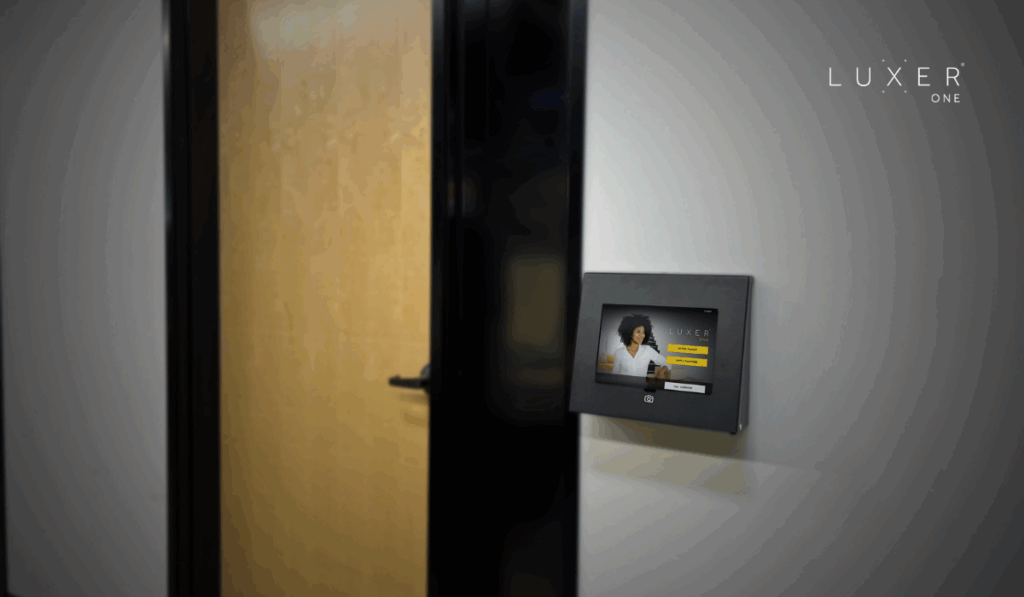
Entrance to a Luxer One smart package room showing the touchscreen for entry

Why Automated Package Delivery Is More Secure Than Traditional Methods

Compared to office lobbies or doorstep delivery, automated package solutions significantly reduce risk by removing ambiguity.

With unmanaged delivery areas, there is often no record of who dropped off a package, who accessed it, or when it went missing. Automated systems replace uncertainty with accountability.

Key advantages include:

  • Digital delivery confirmation

  • Automated resident notifications

  • Reduced staff involvement

  • Clear chain of custody

These systems also help enforce better carrier compliance, ensuring drivers follow established delivery protocols rather than leaving packages wherever space is available.

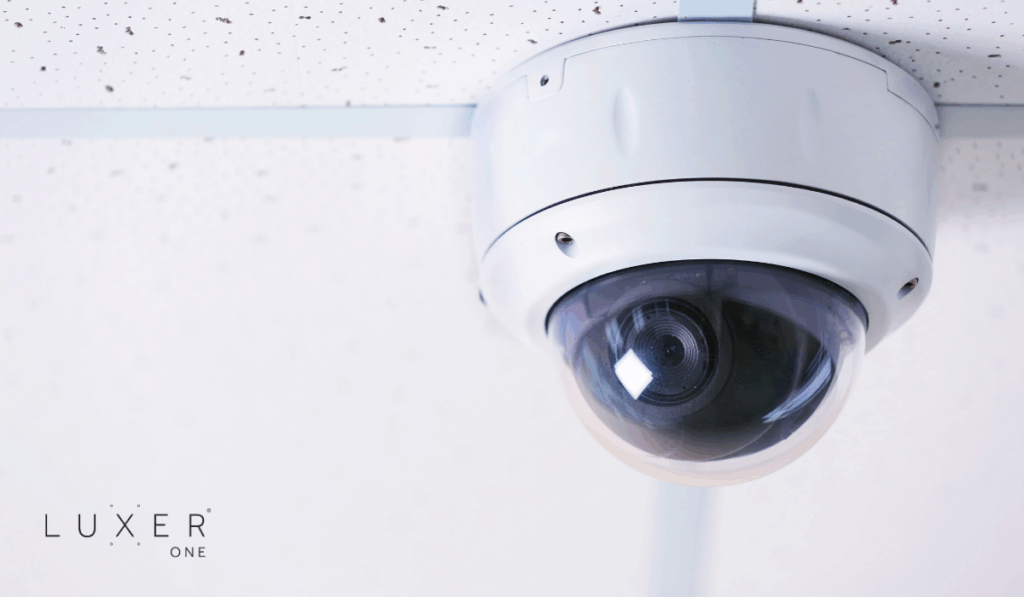
Security camera for surveillance

What Role Do Cameras Play in Package Security?

Cameras are a critical part of any secure package delivery strategy.

Smart lockers and package rooms should always be supported by visible camera coverage. While cameras do not prevent theft on their own, they act as both a deterrent and a resolution tool.

When incidents occur, footage combined with system access logs allows property teams to respond confidently rather than relying on guesswork. This transparency helps protect residents, staff, and the property itself.

Does Secure Package Delivery Provide a Financial Return?

Security is not just about risk reduction. It also impacts operational costs and resident satisfaction.

Automated package systems reduce staff time spent managing deliveries, handling disputes, and responding to lost package claims. Over time, this efficiency contributes to measurable cost savings. A closer look at the ROI on smart lockers for apartments shows how security improvements often translate into operational returns.

When evaluating package security, it is important to consider both direct and indirect benefits, including reduced liability and improved resident trust.

Resident grabbing package from large Luxer One locker compartment

How Should Apartments Choose the Right Secure Package Solution?

There is no one-size-fits-all answer. The most secure solution depends on factors like property size, package volume, and staffing model.

Whether implementing lockers, package rooms, or a hybrid approach, properties should follow established best practices for package locker setup in apartments and ensure systems are supported by clear policies and technology.

For a comprehensive framework, the Guide to Multifamily Package Management provides deeper insight into choosing, implementing, and maintaining secure delivery solutions.

The Bottom Line: What Is the Most Secure Way to Manage Package Delivery for Apartments?

The most secure way to manage package delivery for apartments is through automated systems like smart lockers and secure package rooms, supported by cameras, access controls, and carrier compliance.

While no solution can guarantee zero theft, these systems offer significantly greater protection than traditional delivery methods. They reduce risk, improve accountability, and create a better experience for residents and staff alike.

If you are evaluating how to improve package security at your property, contact Luxer One to learn how our package management solutions combine reliable technology with real human support, helping communities manage deliveries with confidence.

  • Christina Draper

    Christina Draper, Marketing Content Manager at Luxer One, creates storytelling-driven content that connects with property management professionals and highlights innovations in multifamily package management. With a marketing background from UNC Charlotte, she develops cross-channel campaigns that showcase how Luxer One is redefining the resident experience.

    See Posts

RECENT POSTS

Boost Resident Retention with Reliable Partners

Resident Retention Starts With Reliable Multifamily Partners

Resident retention has become one of the most important metrics in multifamily housing and one of the hardest to maintain. Today’s residents expect convenience, consistency, and responsive service across every touchpoint of their living experience. When operations fall short, frustration builds quickly.
That’s why more property and regional managers are reevaluating not just the amenities they offer, but the multifamily technology partners behind them.
Reliable partners don’t just help properties run smoothly. They directly support resident satisfaction, operational consistency, and long-term asset value.

Read More »
what is the best way to manage packages in a university mailroom?

What Is the Best Way to Manage Packages in a University Mailroom?

University mailrooms are under more pressure than ever. As online shopping continues to grow, campuses are receiving an unprecedented volume of packages each day, often without the staffing or storage space to keep up. For many universities, the question is no longer whether a new system is needed, it’s what is the best system to use?

Read More »
The Hidden Cost of Off-Site Package Models

The Hidden Cost of Off-Site Package Models

At first glance, some package management solutions seem like a win for property teams. They promise fewer packages on-site, less clutter, and less day-to-day handling.
But what looks convenient on the surface often comes with hidden tradeoffs. While these models may reduce visibility on the property, they do not eliminate the problem. They shift it somewhere else.
And in many cases, they shift it directly onto residents.

Read More »

Luxens on the Rise: Employee Highlight | Saular Moaddeli

At Luxer One, growth is part of the job. We prioritize promoting from within, provide clear paths for advancement, and encourage every team member to explore new opportunities! Our Luxens on the Rise series highlights team members who have carved their own paths within the company, taking on new challenges and evolving their careers along the way.

Read More »
The Middleman Problem: Why More Delivery Logistics Creates More Problems

The Middleman Problem: Why More Delivery Logistics Creates More Problems

On paper, adding more steps to a delivery process can sound like progress. More coordination, more handling, and more structure.
But in reality, more logistics often leads to more problems.
This is the core issue facing today’s multifamily delivery logistics strategies. In an effort to manage growing package volume, many systems have introduced additional layers between the carrier and the resident.
And while those layers are meant to help, they often create the opposite effect.
Because every extra step is another opportunity for something to go off track.

Read More »

TOPICS

Share: