

LUXER ONE BLOG

Stop, Bag Drop, and Roll: The Alternative to Bag Policies for Stadiums and Venues

bag policies

Summer is here, bringing with it packed stadiums, festivals, and unforgettable outdoor events. But for many attendees, event security policies, especially bag restrictions, can be a source of stress. Enter DropLocker, the smart locker solution from Luxer One that’s revolutionizing the way guests store their belongings at high-traffic venues. With seamless technology and designed with the guest in mind, DropLocker ensures fans can focus on the action, not their bags.

The Challenge of Clear Bag Policies

Security is rightfully a top priority at large venues, and more sports stadiums, music festivals, and public events are enforcing strict bag policies. While these measures are essential for ensuring public safety, they often create frustration for guests who arrive unaware or unprepared. Many attendees are turned away at the gate for carrying prohibited bags, purses, diaper bags, and camera gear that don’t meet transparency or size requirements. This can lead to long lines, delayed entry, and tense interactions with security staff.

The problem is amplified for those who arrive via rideshare or public transportation, and have nowhere nearby to stash their belongings. Clear bag policies also disproportionately affect families with young children and medical needs. Without accessible, secure alternatives for storing non-compliant items, these guests face unnecessary barriers to participation.
bag policies

A Smart, Self-Service Solution

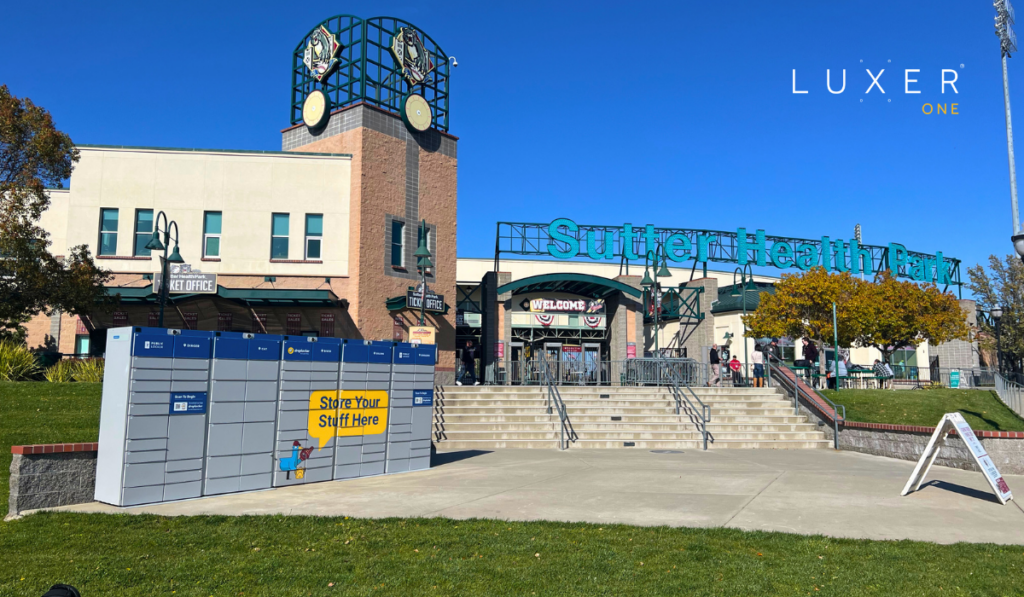
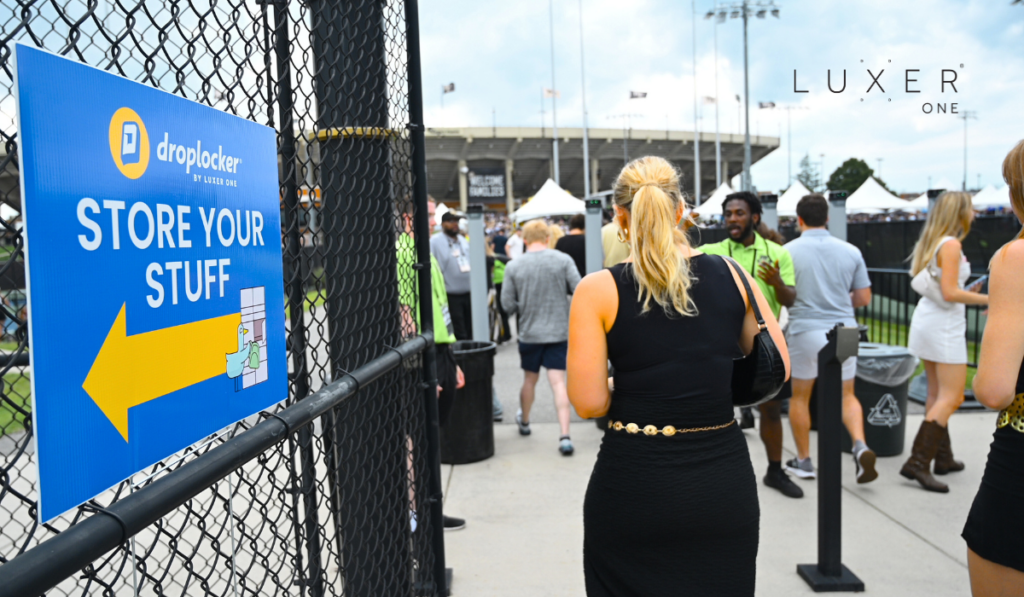
Our response to the bag policies is simple: a self-operating smart locker system that uses Bluetooth connectivity and battery power, requiring no internet, wiring, or venue power sources. Guests use their smartphones to locate, reserve, and unlock lockers all through an easy-to-use app. Placed at venue entrances, the lockers provide convenient, secure storage in under a minute. Users can store their belongings, enjoy the event, and retrieve their items at any time without ever needing staff assistance. Your venue can generate recurring revenue with each rental.
DropLocker

Proven Success at Stadiums

DropLocker is already delivering impressive results. In 2023, Major League Soccer stadiums partnered with DropLocker to install 15 locker towers at main entry gates. These locker banks provided over 210 storage compartments, accommodating guests at over 16 games and events with over 23,000 attendees over the season. The impact?
  • 4,800 rentals in just 8 months
  • $71,000 in revenue generated
  • An average rental cost of $15 per use
bag policies

Ready for This Summer’s Crowd

From soccer matches to music festivals, this summer’s events are drawing huge crowds and DropLocker is ready to meet the demand. Its mobile-powered, easy-install locker systems are ideal for both temporary and permanent event setups, offering scalability and flexibility. Whether it’s a one-day concert or a full-season sports schedule, DropLocker ensures guests have a safe and convenient way to store their stuff.

Make this summer the smoothest one yet for your guests and your operations. Discover how DropLocker can enhance security at your venue and contact us today!
  • Lauren Buote

    Lauren Buote is a Marketing Coordinator at Luxer One who blends her fine arts background from North Carolina State University, with marketing experience in small businesses and museums. She specializes in content and design that support Luxer One’s storytelling and brand growth in the Commercial sector.

    See Posts

RECENT POSTS

The Middleman Problem: Why More Delivery Logistics Creates More Problems

The Middleman Problem: Why More Delivery Logistics Creates More Problems

On paper, adding more steps to a delivery process can sound like progress. More coordination, more handling, and more structure.
But in reality, more logistics often leads to more problems.
This is the core issue facing today’s multifamily delivery logistics strategies. In an effort to manage growing package volume, many systems have introduced additional layers between the carrier and the resident.
And while those layers are meant to help, they often create the opposite effect.
Because every extra step is another opportunity for something to go off track.

Read More »
Delivered Should Mean Delivered: The Problem with Delayed Package Models

Delivered Should Mean Delivered: The Problem with Delayed Package Models

There was a time when “delivered” meant something simple. A package arrived and a resident picked it up, end of story. Today, that definition is not so clear.
In some communities, “delivered” no longer means a package is in a resident’s hands. It means it is somewhere in the process. Waiting. Moving. Delayed. And that shift is exactly where frustration begins.

Read More »
What to Look for in a Package Management Solution for Multifamily Communities

Package Management Solution Tips: What Multifamily Communities Should Look for Today

Package management is no longer a behind-the-scenes operation. For multifamily communities, it has become a defining part of the resident experience.
Properties are facing a surge in deliveries, increasing pressure on staff, and rising expectations from residents who want fast, secure, and convenient package access. What used to be a minor operational task is now a major decision point for property performance.
That’s why having the right strategy matters. This guide to package management will walk through the most important factors to consider so your property can stay efficient, competitive, and resident-focused.

Read More »
Stop Hoping Packages Show Up: Why Control Matters More Than Convenience

Stop Hoping Packages Show Up: Why Control Matters More Than Convenience

For years, multifamily communities have been told that convenience is the answer to growing delivery volume. Add another step. Introduce another service. Reroute the problem somewhere else.
But what happens when convenience creates more complexity?
What you’re left with is something many property teams know all too well: package chaos.
And the reality is simple. You don’t solve logistics by adding more logistics.

Read More »

TOPICS

Share: