



LUXER ONE BLOG

Top 5 Challenges Property Managers Will Face in 2026

Top 5 Challenges Property Managers Will Face in 2026

The multifamily housing industry is entering 2026 with a mix of optimism and caution. New supply pipelines, shifting resident expectations, and tightening budgets are reshaping how property managers operate. While many of these trends have been building for years, 2026 will be the year they converge, putting more pressure on efficiency, service quality, and decision-making at every level.

To stay ahead, regional and property managers will need to plan strategically, invest in automation, and strengthen partnerships that can withstand the next wave of industry change.

1. Rising Operating Costs and NOI Pressure

Expense growth continues to outpace rent growth, putting net operating income (NOI) under increasing strain. According to Yardi Matrix data, expenses per unit grew by 1.3 % for market-rate housing during the first half of 2025.

This squeeze on margins is expected to persist through 2026 as replacement costs and insurance premiums remain volatile. Property managers will need to refine their budgeting practices, differentiating clearly between operational and capital expenses while forecasting for multiple economic scenarios.

Strategy: Use data-driven budgeting tools and scenario modeling to plan for variable costs early in the year. Luxer One’s Multifamily Budget Planning Guide for 2026 offers strategies for identifying flexible funding sources and rebalancing operational priorities to protect NOI.

Average multifamily expenses rose 6% year over year in 2025, while rent growth slowed to under 1%.

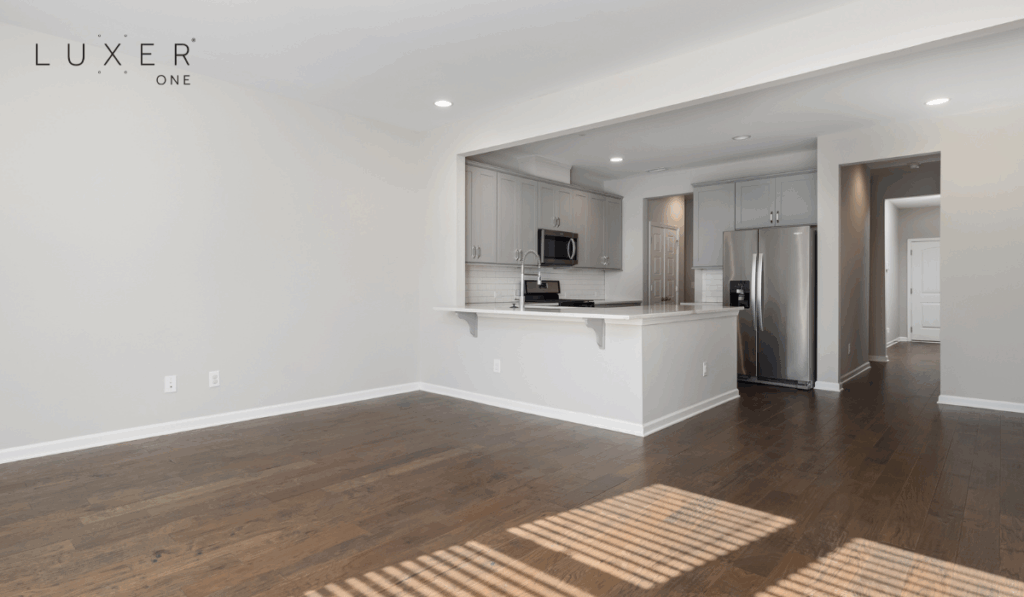
New apartment build that is empty and ready to be occupied

2. New Supply, Slower Absorption, and Rising Concessions

After several years of record construction, 2026 will see continued high levels of apartment completions in many markets. Yardi Matrix projects that over 500,000 new units will deliver nationwide by midyear, most heavily concentrated in the Sun Belt and Midwest.

While new supply brings fresh options for renters, it also means tougher competition and higher concessions in oversupplied metros. For regional managers, this challenge will center on differentiation. The priority will be standing out not just through aesthetics, but through convenience, service, and technology.

Strategy: Invest in amenities that add daily value, such as automated package management systems that give residents reliable, secure, and 24/7 access to deliveries. Explore Luxer One’s Multifamily Solutions to learn how automated lockers and package rooms help properties stand out in competitive markets.

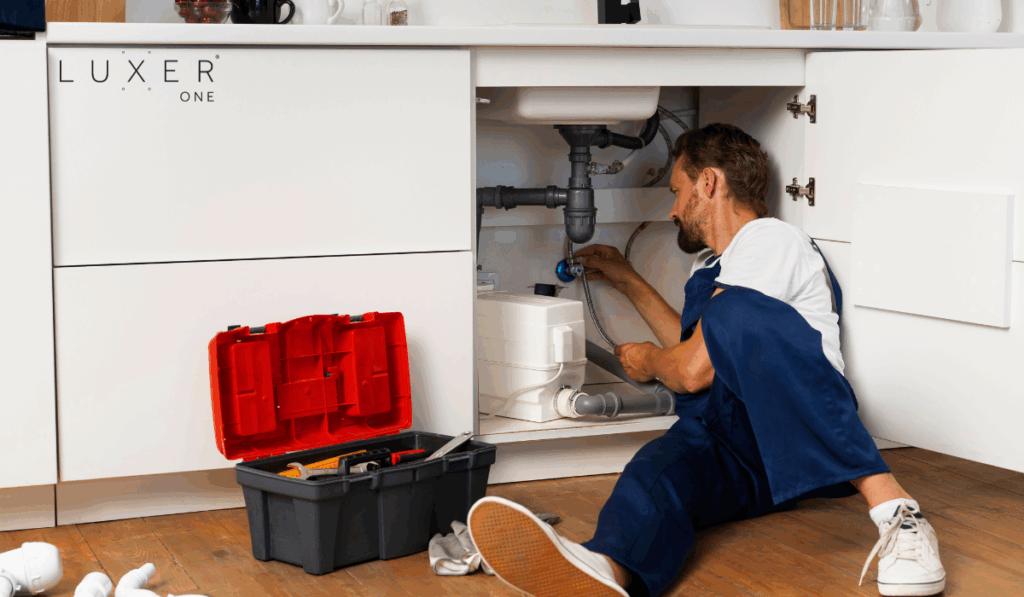
Handyman servicing sink in apartment

3. Retention Challenges and the Service Gap

As economic pressures mount, resident retention will become one of the biggest challenges for property managers in 2026. Industry surveys show that responsiveness and communication now rank higher than amenities in determining renewal intent. Yet many property teams struggle to keep pace with service expectations due to staffing limits and growing workloads.

When service quality slips, it creates a costly turnover cycle with lost renewals, increased marketing spend, and time-consuming onboarding for new residents. Encourage residents to share feedback regularly and use survey data to prioritize service improvements.

Strategy: Streamline communication and task tracking through automation. Automated package systems reduce resident frustration by eliminating lost or delayed deliveries, while services like Luxer Liaison help property teams proactively monitor locker and/or room performance and coordinate carrier support.

Download Luxer One’s Guide to Package Management to see how technology can ease workload pressure and boost satisfaction.

Package management alone can consume up to 2 hours of staff time daily, time that could be spent improving resident experience.

4. Vendor Reliability and Long-Term Stability Risks

One of the most overlooked multifamily challenges in 2026 will be vendor reliability. The last two years have seen several technology and service providers consolidate, restructure, or exit the market entirely. For property managers, this creates risk exposure when systems go unsupported or contracts lapse without backup.

Vendor stability now matters as much as price. A short-term deal can become a long-term headache if support disappears or if the vendor fails to scale with your community’s needs.

Strategy: Evaluate vendors based on long-term reliability, service infrastructure, and financial stability. Request detailed service level agreements (SLAs) and escalation procedures before signing.

Luxer One’s perspective on vendor reliability is outlined in the Reliable Partners blog, which highlights key red flags to avoid and what a lasting partnership should deliver.

Frustrated property manager trying to work on laptop

5. Efficiency and Staffing Strain

Even with technology adoption on the rise, staffing challenges remain one of the biggest operational hurdles for property managers. Many teams are still managing more residents per employee than before 2020, and labor costs continue to climb.

Automation is now the clearest path to efficiency. Self-service systems like Luxer One’s automated package lockers and Luxer Liaison service reduce repetitive manual work, giving staff time back for higher-value interactions. When paired with resident self-service tools, properties can improve both speed and satisfaction while reducing turnover stress.

Strategy: Conduct a workflow audit to identify which daily tasks can be automated. Start with package management, maintenance ticketing, and resident communication. The time saved quickly compounds across teams.

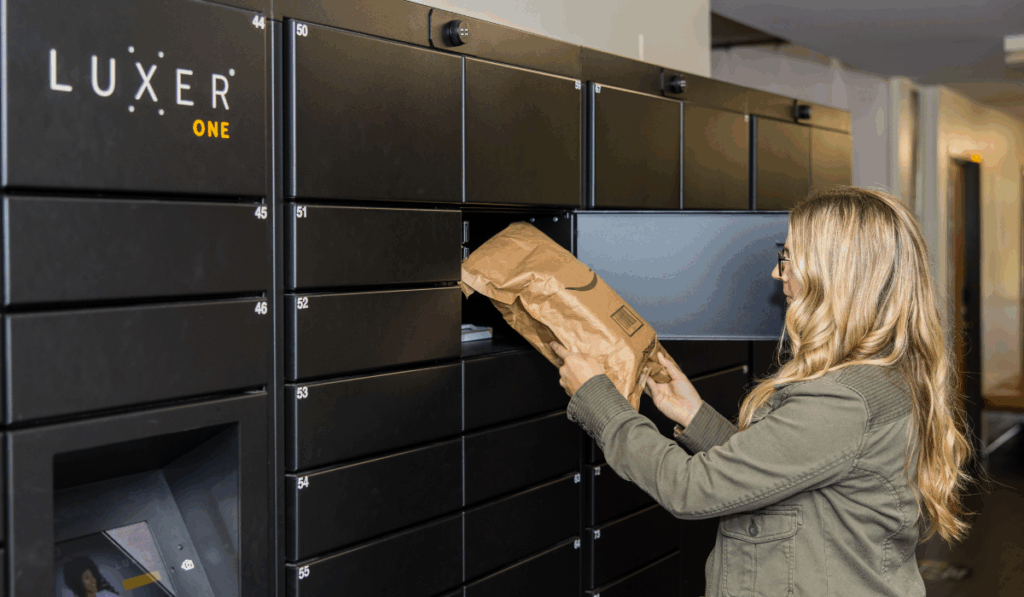
Resident picking up package from secure smart lockers from Luxer One

Conclusion: Building Resilience for 2026

The coming year will challenge property managers to balance cost control, resident satisfaction, and operational agility in ways that demand smarter systems and stronger partnerships. Those who proactively adapt to these changes will not only stay competitive but set a new standard for efficiency and reliability in multifamily living.

As you prepare for 2026, consider how automation, vendor stability, and resident experience can work together to strengthen your property’s performance.

Contact Luxer One to learn how modern package management and support services can help your community overcome the top challenges facing property managers in 2026.

  • Christina Draper

    Christina Draper, Marketing Content Manager at Luxer One, creates storytelling-driven content that connects with property management professionals and highlights innovations in multifamily package management. With a marketing background from UNC Charlotte, she develops cross-channel campaigns that showcase how Luxer One is redefining the resident experience.

    See Posts

RECENT POSTS

The Upgrades That Actually Make Renters Happier

The Upgrades That Actually Make Renters Happier

When you strip away the fancy brochures and amenity checklists, most residents are asking one simple question:
“Does living here actually make my life easier and happier?”
The upgrades that make residents happier are not always the flashiest. In 2025, renters consistently gravitate toward improvements that protect their time, reduce friction in daily life, and make them feel safe, supported, and understood.
Recent renter surveys show a clear pattern. Tech-enabled conveniences, smart design, and practical comfort often outperform luxury features in driving satisfaction.
Here is what truly matters to residents and where smart package lockers naturally fit into the story.

Read More »
What’s The ROI on Smart Lockers for Apartments?

What’s The ROI on Smart Lockers for Apartments?

When apartment communities evaluate new amenities, few generate clearer operational and financial returns than automated package systems. Between time saved and improvement to operational efficiency it’s no wonder that properties see significant ROI on smart lockers. Below is a simple breakdown of how to evaluate the return on investment for smart lockers in today’s multifamily environment.

Read More »
The Global Shift Toward Smart Lockers: Why Automated Delivery Is Becoming the Backbone of Last Mile Logistics

The Global Shift Toward Smart Lockers: Why Automated Delivery Is Becoming the Backbone of Last Mile Logistics

For more than fifteen years, I have worked with locker networks across Europe and beyond, and have seen firsthand how quickly delivery systems can transform when economic pressure meets technological readiness. Today, the global last mile is approaching that same kind of tipping point. Parcel volumes are still rising, labor is becoming more expensive and harder to find, and urban security issues continue to grow. All of this is putting the traditional door to door model under unprecedented strain.
What comes next is not a mystery. It is already unfolding around the world. Smart lockers are becoming essential infrastructure for modern delivery, not a niche add on. In several countries, this shift is already well underway. In others, it is just beginning. But everywhere, the direction is clear.
The next decade of delivery will not be defined by faster vans or more expensive convenience. It will be defined by smarter, more efficient systems that allow carriers, retailers, and consumers to regain control of the last mile.
Smart lockers will be at the center of that shift.

Read More »
Retail Industry Trends for 2026: What Operations Leaders Should Prepare For

Retail Industry Trends for 2026: What Operations Leaders Should Prepare For

After a turbulent few years of shifting consumer confidence, supply chain recalibration and nonstop digital innovation, retail is entering 2026 with more clarity and more pressure. The last 12 months revealed a shopper who is simultaneously value driven and convenience obsessed, pushing retailers to rethink how stores operate, how fulfillment happens and how technology drives profitability instead of complexity.
As leaders head into the NRF Big Show in New York, the message is clear. 2026 will reward retailers who streamline operations, modernize fulfillment and build flexible omnichannel experiences rooted in real, measurable efficiency. Here is what the latest data, forecasts and industry analyses tell us about the retail landscape ahead.

Read More »
woman shopping in person pickup

Has Delivery Replaced Pickup? What the Data Says About Retail’s Next Chapter

Retailers face more choices than ever when it comes to fulfillment: ship-to-home, same-day delivery, third-party courier pick-ups, and in-store or curbside pickup (BOPIS – Buy Online, Pickup In-Store). Is the traditional in-person pickup model fading away in favor of delivery and third‐party logistics? Data suggests that in-store/curbside pickup remains not only relevant but increasingly important, in a transformed, omnichannel context.

Read More »

TOPICS

Share: