Managing the Transformation of ‘Zombie’ Offices
Building managers understand the unique set of challenges that ‘zombie’ office buildings present. These are unrentable office spaces languishing in the midst of a remote and hybrid work boom. However, a recent working paper by Arpit Gupta, Candy Martinez, and Stijn Van Nieuwerburgh has revealed that more than 2,000 office buildings in American downtowns can be converted into eco-friendly apartments.
This transformation has the potential to yield up to 400,000 new apartment units, offering a fresh start for properties that were previously burdened by vacancy and financial challenges.
Addressing Contemporary Challenges
The conversion of ‘zombie’ offices into apartments provides property managers with an opportunity to address the three primary issues currently facing office buildings.
First, the rise of remote work has led to many businesses reconsidering their office leases, resulting in high vacancy rates. Building managers have experienced the consequences of these vacancies firsthand.
Second, the current environment of elevated interest rates has made it challenging for owners to meet their mortgage payments. Converting these spaces into apartments can offer a more stable source of rental income.
Finally, the necessity to adhere to stricter environmental regulations has mandated costly energy efficiency renovations for existing office buildings. By repurposing these properties, building managers can contribute to a greener, more sustainable future.
A Solution to the Housing Crisis
Building managers are well aware of the ongoing housing crisis in the United States. The demand for housing continues to rise, and converting office buildings into apartments provides a practical solution.
The study found that the Greater New York City region, as well as the San Francisco and Los Angeles metropolitan areas, are particularly suitable for such conversions. These regions also happen to have some of the highest housing costs in the country, making this transformation even more economically appealing.
Environmental Benefits
In an era of growing environmental consciousness, building managers can seize the opportunity to contribute to a greener future. Buildings account for nearly 30% of the United States’ total greenhouse gas emissions. The study has revealed that a significant portion of large office buildings in New York City exceed the allowable greenhouse gas emissions under the country’s 2030 targets.
During the conversion process, building managers can collaborate with developers to retrofit these buildings to meet the latest energy efficiency standards, aligning with sustainability goals.
Incentives for Property Managers
Building managers will be pleased to know that there are incentives for eco-friendly conversions. The Inflation Reduction Act offers billions of dollars in tax credits aimed at encouraging green technology and building.
Converting office buildings into apartments could make property managers eligible for over $10 billion in grants. This cost-effective approach of retrofitting existing buildings rather than constructing new ones aligns with responsible property management practices.
Navigating Challenges and Maximizing Potential
Building managers will face unique challenges during this conversion process. Regulations in some areas, such as New York City, mandate specific requirements for apartment spaces, including windows in bedrooms. This can lead to design challenges, but resourceful property managers can transform these limitations into opportunities by creating innovative common spaces within the building.
The conversion of ‘zombie’ offices into thriving apartment complexes presents an exciting opportunity for building managers. It allows us to address contemporary challenges, contribute to a sustainable future, and participate in solving the US housing crisis. While it comes with its share of challenges, it showcases the adaptability, creativity, and resourcefulness that managers bring to the real estate industry, making it a win-win for both building managers and the communities they serve.
Elevate Conversions with Smart Package Management Solutions
As building managers unlock the potential of converting ‘zombie’ offices into modern apartment complexes, attention to resident needs and convenience becomes paramount. One often-overlooked challenge in multifamily properties is efficient package management.
With the rise of e-commerce, residents expect seamless, secure, and reliable delivery solutions. By retrofitting these newly converted spaces with Luxer One’s smart package lockers and package rooms, building managers can transform their properties into truly modern, resident-friendly communities.
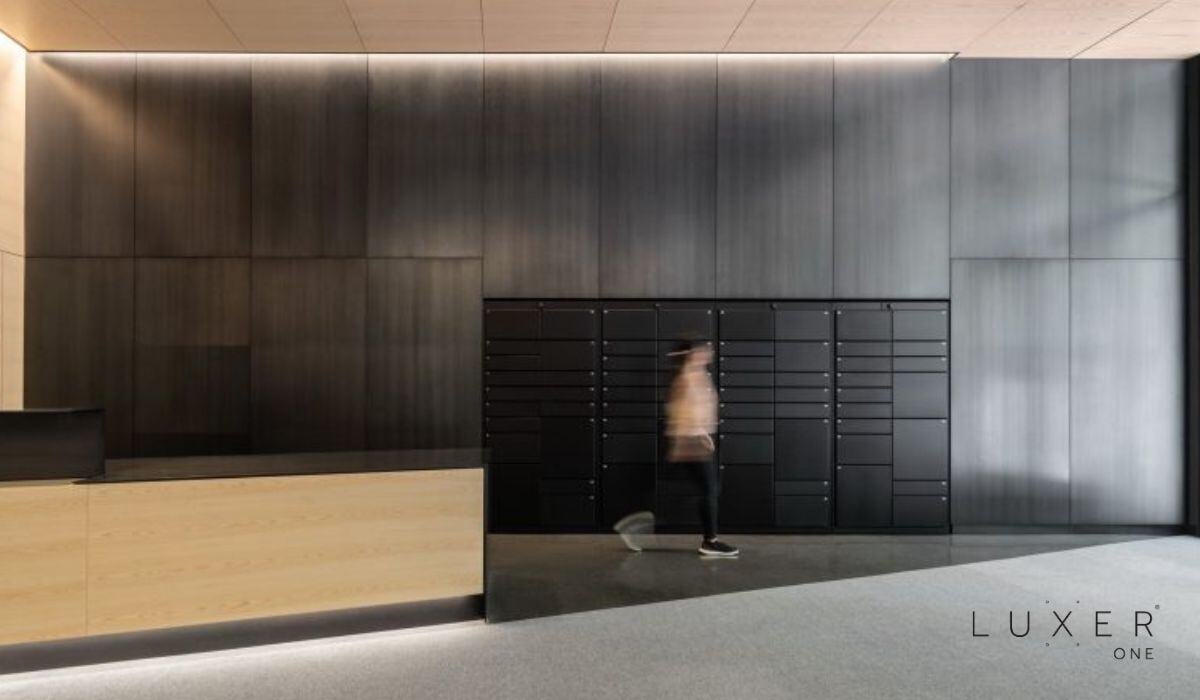
Luxer One’s solutions ensure that packages are securely delivered, retrieved, and managed without burdening property staff. Their innovative technology not only enhances resident satisfaction but also aligns with sustainability goals by reducing the carbon footprint of missed deliveries and package theft. Integrating Luxer One into your retrofitted apartments demonstrates forward-thinking property management that caters to modern living standards, making your renovated space not just livable, but exceptional.
Incorporating Luxer One’s smart solutions is the finishing touch that takes these conversions to the next level — maximizing operational efficiency, elevating the resident experience, and future-proofing your investment. Connect with us below to get started!