




LUXER ONE BLOG

How to Solve Carrier Compliance Issues for Multifamily Deliveries

How to Solve Carrier Compliance Issues for Multifamily Deliveries

It’s no secret that multifamily communities are seeing more package deliveries than ever before. With that surge comes an equally pressing challenge with carrier compliance. Ensuring that delivery drivers properly use the property’s package management system can feel like an uphill battle. When deliveries bypass the process, whether due to skipped scans, incorrect locker use, or packages left outside secure areas, property teams are left to pick up the slack.

If this sounds familiar, you’re not alone. The disconnect between carriers and property technology is one of the most persistent operational issues in multifamily housing. But the good news? There are practical steps you can take to ease the burden and tools designed to solve your carrier compliance issues.

Why Carrier Compliance Breaks Down

Even the best-designed package system can fall short if carriers don’t use it correctly. Here are just a few of the issues we hear about most:

  • Packages dropped outside the system: Drivers leave items at leasing offices, in lobbies, or in front of lockers when they can’t (or won’t) access the right tools.
  • Missed scans or wrong locker usage: Residents don’t get notifications, staff can’t track deliveries, and frustration builds.
  • Overflow and disorganization: If lockers or rooms aren’t ready for incoming deliveries, carriers may give up and drop packages wherever space allows.
  • Staff picking up the slack: On-site teams spend hours tracking down misplaced packages, answering resident complaints, and manually processing deliveries.
Package piles in multifamily communities

3 Simple Ways to Improve Carrier Compliance

There are a few simple steps to take to help with your current carrier compliance issues before making any drastic changes to your system. These tips can improve carrier behavior with minimal cost or disruption:

1. Post Clear Delivery Instructions

Ensure that all delivery points, lockers, rooms, and entrances, have visible, easy-to-follow signage. Include system login steps and a contact number for help. Even seasoned drivers benefit from reminders.

2. Build Relationships with Regular Drivers

A quick conversation with your USPS, FedEx, UPS, and Amazon drivers can go a long way. Get to know your regular delivery drivers, their typical schedule, and make yourself a familiar face. This helps provide you the opportunity to give them friendly reminders and even get to know what would help them with successful deliveries.

3. Audit Your Package Areas Regularly

Is your locker system full? Is the package room chaotic? A cluttered or overloaded system can drive carriers to take shortcuts. Regular audits ensure you have space and that the area is inviting and easy to use.

Property manager or staff member talking to delivery driver

How Luxer One Helps Keep Carriers on Track

While signage and staff support are important, technology plays a vital role in keeping delivery workflows smooth. Here’s how Luxer One helps communities eliminate delivery headaches:

Smart Scanning with OCR Technology

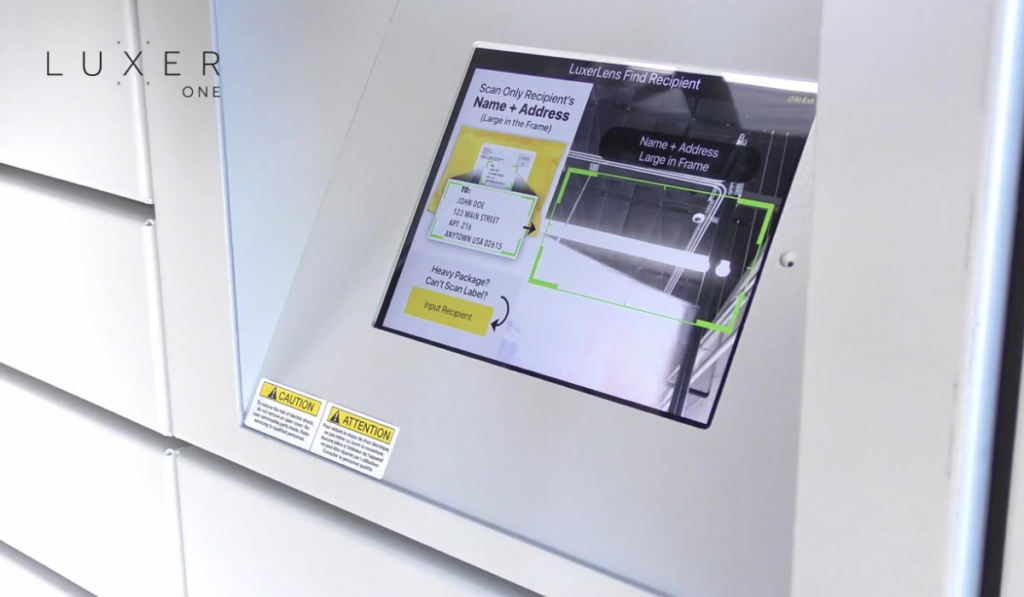
Our optical character recognition (OCR) tech reads shipping labels instantly: no manual entry required. Carriers simply hold the package up to the camera and Ai-powered technology scans the label to begin. This speeds up the delivery process and ensures packages are logged correctly every time.

Training Tools for Every Carrier

We offer a library of carrier training videos and materials to help drivers learn how to use the Luxer One system quickly and accurately. These tools are accessible online and updated as needed.

Onsite Support with Luxer Liaison

Still facing issues? Our Luxer Liaison service provides dedicated support to your property. From assisting carriers to auditing package flows, our Liaison helps bridge the gap between people and process.

The Bottom Line: Delivery Compliance Is a Team Effort

Improving delivery reliability isn’t just about technology; it’s about communication, consistency, and giving carriers the tools they need to succeed. With the right mix of operational habits and smart solutions, you can reduce staff burden, improve resident satisfaction, and bring order back to your package management process.

Need help getting there? If you’re exploring better package solutions, contact Luxer One to get started.

Already a Luxer One client? Reach out to Luxer Support for help with training materials or Liaison services.

  • Christina Draper

    Christina Draper, Marketing Content Manager at Luxer One, creates storytelling-driven content that connects with property management professionals and highlights innovations in multifamily package management. With a marketing background from UNC Charlotte, she develops cross-channel campaigns that showcase how Luxer One is redefining the resident experience.

    See Posts

RECENT POSTS

The State of the Multifamily Market: Stability Is Returning, but Discipline Still Matters

The State of the Multifamily Market: Stability Is Returning, but Discipline Still Matters

After several years of volatility, the state of the multifamily market entering 2026 feels more predictable than it has since the early post-pandemic period. Rent growth has normalized, supply pressures are beginning to ease in many metros, and demand fundamentals are slowly strengthening. However, this is not a return to the high-growth environment operators experienced earlier in the decade.
Instead, the Q1 2026 outlook reflects a market where stability is returning, but performance depends heavily on operational discipline, cost control, and resident experience. Properties that adapt to this reality are finding steadier footing. Those that rely on outdated assumptions or inefficient systems may struggle to keep pace.
This Q1 2026 multifamily market report breakdown explores what the latest data is telling operators and what it means for day-to-day decision-making.

Read More »
Smart Lockers for Asset Exchange and Package Management in the Modern Workplace

Smart Lockers for Asset Exchange and Package Management in the Modern Workplace

Workplace operations have changed dramatically in recent years. Hybrid schedules, distributed teams, and higher expectations for speed and accountability have reshaped how offices manage equipment, documents, and deliveries. As a result, many organizations are rethinking how assets move through the workplace.
That shift is driving increased demand for smart lockers for asset exchange and package management, a secure and automated solution designed to reduce loss, streamline workflows, and scale with enterprise operations. For workplace managers and operations directors, smart lockers are no longer a convenience. They are becoming a core infrastructure tool for the modern workplace.

Read More »
How to Save Time and Money with Package Management at Apartments

How to Save Time and Money with Package Management at Apartments

Smart lockers and package rooms have become essential infrastructure for modern apartment communities. They create secure, self-service delivery workflows, reduce front office congestion, and give residents flexibility to pick up packages on their own schedule.
For many communities, these systems already do most of the heavy lifting. But at larger properties or across growing portfolios, even the best package management technology benefits from consistent human support.
That is where onsite package management staff come in. When paired with smart lockers and package rooms, they help communities save time and money with package management by ensuring systems are used properly, residents are supported, and onsite teams stay focused on higher-value work.

Read More »
Unlocking Revenue with Smart Lockers: A Strategic Response to Online Cart Abandonment

Unlocking Revenue with Smart Lockers: A Strategic Response to Online Cart Abandonment

Online cart abandonment is not a new problem, but it is becoming a more expensive one.
As ecommerce has matured, shopper expectations have risen just as fast. Convenience, flexibility, and control now play as large a role in conversion as price or product availability. When those expectations are not met, shoppers hesitate, leave, and often do not return.
For retail operations leaders, cart abandonment should no longer be viewed as just a marketing or UX issue alone. It’s also a fulfillment and operational challenge, and one that demands a more strategic response.

Read More »

TOPICS

Share: