


LUXER ONE BLOG

How Retailers Can Make the Buy-Online, Pick-Up-In-Store Process Easier

How Retailers Can Make the Buy-Online, Pick-Up-In-Store Process Easier

When shoppers place orders online and pick them up in a store, it’s called Buy-Online, Pick-Up-In-Store (BOPIS). This hybrid fulfillment model blends the convenience of e-commerce with the immediacy of brick-and-mortar shopping.

As retailers continue to compete on seamless experiences, making the BOPIS process easier is an increasingly strategic differentiator. For forward-looking retailers, adopting advanced fulfillment infrastructure such as smart lockers isn’t a nice-to-have, it’s a necessity.

In this post we’ll explore key questions decision-makers face and why smart lockers are the BOPIS solutions retailers are turning to these days.

What Is the Buy-Online, Pick-Up-In-Store (BOPIS) Process?

At its core, BOPIS allows a customer to place an order online then go to a physical store to collect the item rather than having it shipped to their home. This gives the shopper quicker access than standard delivery, avoids shipping fees, and drives additional in-store traffic for the retailer. 

BOPIS helps reduce last-mile logistics costs, accelerates inventory turnover, and strengthens store-to-consumer touchpoints. See how retailers are configuring omnichannel workflows with Luxer One’s Retail Solutions here.

Shoppers in a retail store looking at items

Why Is It So Important to Make the BOPIS Process Easier?

Consumer expectations are high both online and in-store. According to recent data:

Long wait times, unclear routing, staff confusion, and inaccurate orders cause customers to get frustrated quickly. A frictionless experience not only retains loyalty, but unlocks upsell opportunities at the store. For example, one source found more than 85 % of BOPIS shoppers made an additional in-store purchase when they came to pick up their item.

Making the BOPIS process easier isn’t just about customer satisfaction anymore. Operational efficiency, store foot-traffic uplift, and leveraging existing physical assets allow for stronger omnichannel performance.

What Are the Biggest Challenges Retailers Face with BOPIS?

Even though BOPIS is a widely-adopted model, many retailers struggle with implementation and ongoing execution. Key pain points include:

  • Order readiness & speed: consumers expect fast availability once they arrive at the store. Delays or unclear pickup notifications turn what should be a convenience into a frustration. One report cites “speed of order readiness” as a top challenge.


  • In-store space & staffing constraints: Where do customers and delivery drivers check in, wait, retrieve items? Manual counters drain staff time and disrupt regular store operations.


  • Visibility & inventory accuracy: Ensuring online-ordered stock is available, properly reserved and ready for pickup is critical. Positive impact fades if the item isn’t ready, or the customer is told to wait.


  • Customer communication & routing: Providing clear instructions (which door, which locker or counter, where to go) is essential. Lack of direction increases friction.


  • Scalability & extended hours: Many stores operate set hours, but consumers expect flexibility (after work, evenings, weekends). Without automated/self-service pickup options, scaling becomes difficult.


Because of these obstacles, simply offering BOPIS is no longer enough. The pick-up process must be streamlined, reliable and aligned with customer expectations across digital and physical touchpoints.

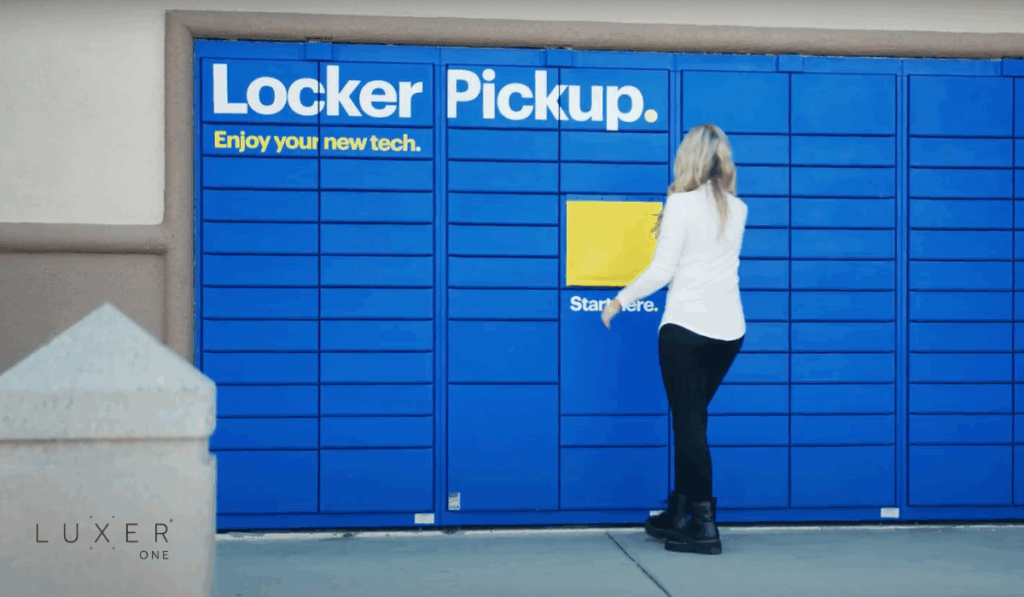
Woman approaching Luxer One BOPIS lockers at retail store to pickup order

How Can Technology Simplify the BOPIS Experience?

Technology plays a pivotal role in turning BOPIS from a promise into a smooth customer journey. Here’s how:

  • Automated pickup infrastructure: Smart lockers or kiosks allow customers or third party delivery drivers to pick up orders on their own timetable, reducing staffing burdens and wait-time.


  • Real-time notifications & order tracking: When customers receive timely alerts (“Your order is ready”, “Visit locker #3”, “Tap code at pickup”), it reduces uncertainty and improves satisfaction.


  • Unified inventory & fulfilment visibility: Having store-level inventory seamlessly integrated with online orders helps ensure that pickups are filled correctly, avoiding stock-outs or errors.


  • Flexible access and extended hours: BOPIS lockers or self-service pickup points often enable after-hours access or 24/7 retrieval ultimately creating new convenience layers.


  • Data and insights on pickup behaviour: Understanding pickup patterns, dwell time, and in-store flows lets retailers refine location, staffing and merchandising around BOPIS zones.


By implementing these technologies, retailers can deliver frictionless, reliable BOPIS experiences, thereby fulfilling the goal to make the Buy-Online, Pick-Up-In-Store process easier. And when you’re evaluating systems, check how well they integrate end-to-end (online order → store fulfilment → customer pickup) rather than treating each step in isolation.

What Makes Luxer One’s Smart BOPIS Lockers Different?

When retailers are ready to upgrade their BOPIS infrastructure, the offering from Luxer One stands out. Here’s why:

  • Scalable locker design tailored for retail-store pickup workflows (not just parcel drop-off) so you can manage high volumes and varied item sizes.

  • Intuitive software and user experience — the shopper journey is simple: order online, receive a code or notification, go to the locker, retrieve items easily.

  • Secure access and brand customization — lockers are secure, can be branded, and provide consistent experience across store networks.

  • Operational transparency and analytics — retailers get visibility into locker usage, pickup times, dwell traffic and can optimize accordingly.

  • Proven results — According to the independent Forrester Research report on Luxer One smart lockers, retailers leveraging this technology saw improved pickup throughput and customer satisfaction.


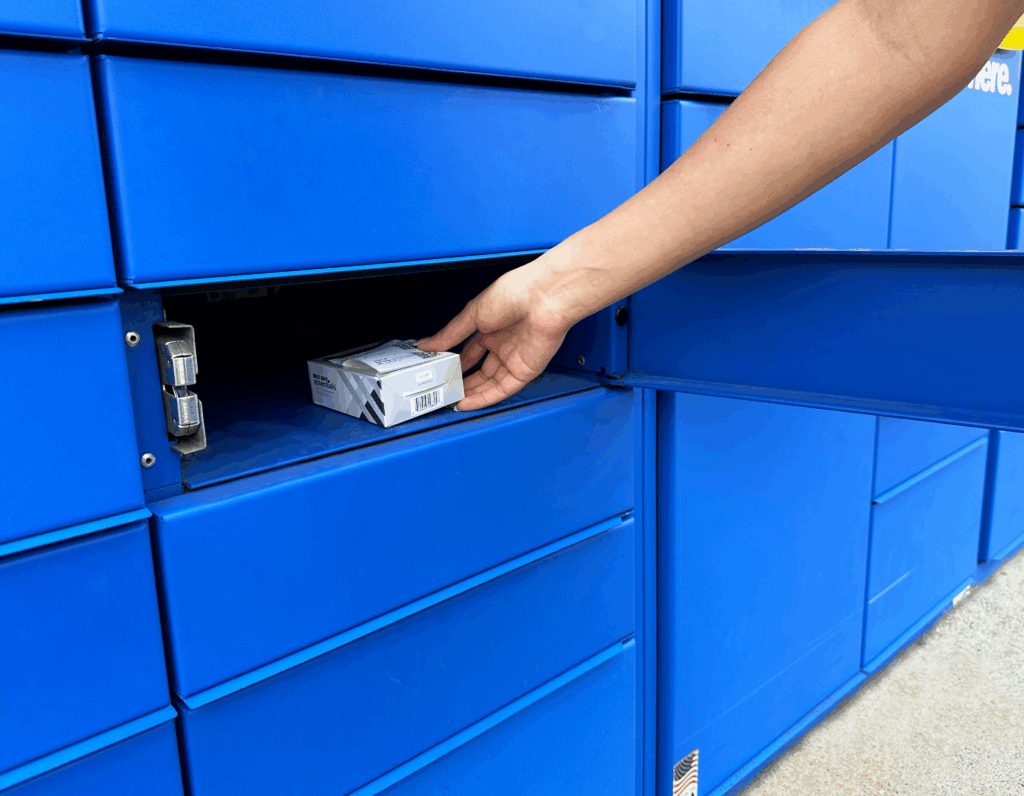
Shopper removing their online purchase from blue BOPIS lockers

How Can Retailers Get Started with Easier BOPIS Solutions?

Ready to take action? Here’s a simple roadmap:

  1. Audit your current pickup flow: Map the entire path from online order to in-store pickup. Identify bottlenecks (e.g., wait times, counter queues, missed notifications).

  2. Engage stakeholders across marketing, operations and IT: BOPIS touches digital, store operations, fulfilment and customer experience. Make sure all teams are aligned.

  3. Evaluate automation/self-service options: When manual counter pickup becomes inefficient or inconsistent, look at smart lockers or kiosks to reduce friction and labour demands.

  4. Select a partner with proven outcomes: Choose a provider that understands retail workflows, integrates with your tech stack, and supports roll-out across store networks. (Luxer One is built for this.)

  5. Pilot, measure, iterate: Start with a few locations, measure key metrics (pickup time, customer satisfaction, upsell at pickup, labour savings) then refine and scale.

  6. Communicate clearly with customers: Let them know pickup hours, locker location, how the process works, and send proactive alerts. The smoother the experience, the more likely they’ll repeat.

When you’re ready to discuss a tailored solution and explore how to deliver a superior and streamlined BOPIS experience, contact Luxer One for a consultation.

Final Thoughts

Successfully executing on making the Buy-Online, Pick-Up-In-Store process easier isn’t just about offering yet another fulfillment channel. It’s about transforming the pickup journey into a competitive advantage. With consumers expecting convenience, speed and flexibility, retailers that lean into technology, workflow optimisation and strategic infrastructure will win.

If you’re evaluating how to scale and refine your BOPIS offering, Luxer One’s solutions are built to support you every step of the way. Contact us today to get started!

  • Christina Draper

    Christina Draper, Marketing Content Manager at Luxer One, creates storytelling-driven content that connects with property management professionals and highlights innovations in multifamily package management. With a marketing background from UNC Charlotte, she develops cross-channel campaigns that showcase how Luxer One is redefining the resident experience.

    See Posts

RECENT POSTS

Best Practices For Package Locker Setup In Apartments

Best Practices For Package Locker Setup In Apartments

Package lockers have become an essential amenity in modern apartment communities. With daily delivery volumes rising and residents expecting secure self-service pickup, a well planned locker setup can make a major difference in resident satisfaction and staff efficiency. Below are the top questions property managers ask when planning a successful package locker deployment, along with practical best practices.

Read More »
The Future of Real Estate Technology: What Multifamily Leaders Should Prepare For Now

The Future of Real Estate Technology: What Multifamily Leaders Should Prepare For Now

Real estate tech is advancing faster than ever, and multifamily operators are feeling the shift across every corner of their portfolios. AI adoption is accelerating, centralized operations are becoming the standard, and residents expect more connected, digital-first experiences in their homes. Following recent industry conversations, including trends highlighted at OPTECH 2025, the future of real estate technology is taking shape around efficiency, data intelligence, automation, and resident expectations.
For multifamily leadership teams, understanding where the industry is heading is only half the challenge. The real task is identifying the practical steps to stay competitive today while preparing for what is next.
Below is a look at what is driving the future of real estate technology, supported by the latest industry data, along with actionable insights you can use to future-ready your operations.

Read More »
The Impact of Online Shopping on Multifamily and Why Package Management Matters More Than Ever

The Impact of Online Shopping on Multifamily and Why Package Management Matters More Than Ever

Online shopping continues to grow at a rapid pace, and multifamily communities are feeling the effects more than almost any other sector. In early 2025, U.S. e-commerce sales were up 5.3% year-over-year, reaching 15.5% of all retail spending, according to the U.S. Census Bureau. At the same time, global online shopping participation surpassed 2.7 billion digital buyers, reflecting a long-term shift toward online purchasing.
For multifamily operators, regional managers, and asset managers, this trend creates a daily operational reality: higher-than-ever delivery volume, greater pressure on staff, and the constant challenge of managing package piles at apartments. This blog breaks down how the surge in online shopping is reshaping multifamily communities and what forward-thinking properties are doing to keep up.

Read More »
How To Cut the Carbon Footprint From Package Deliveries in Your Community

How To Cut the Carbon Footprint From Package Deliveries in Your Community

As resident expectations rise and delivery volumes continue to grow, multifamily communities are looking for practical ways to cut the carbon footprint tied to daily package traffic. While sustainability efforts often focus on building operations or energy upgrades, last-mile delivery is an overlooked area where properties can make meaningful impact.
This guide answers common questions about where emissions come from, how operations contribute, and how modern tools including the sustainability of smart lockers can help communities reduce waste, streamline processes, and support broader ESG goals.

Read More »
From Digital to Physical: The State of the Modern Workplace

From Digital to Physical: The State of the Modern Workplace

The modern workplace has entered a new era of complexity. Hybrid schedules have reshaped how teams use office space. Digital employee experience has become just as important as physical comfort. Asset visibility is now a daily operational challenge. Workplace leaders are being asked to deliver environments that are productive, flexible, and secure. Not to mention they often have fewer resources than before.
This report explores the most significant trends defining today’s office environment, backed by industry research from the past year. For office managers, facilities teams, and operations directors, understanding these shifts is essential to staying ahead. Below, we break down the most common questions workplace managers ask about improving asset management in the workplace and how smart locker systems can help.

Read More »

TOPICS

Share: