

LUXER ONE BLOG

What Retailers Need to Support BOPIS, BORIS, and Same-Day Pick Up

Retail worker stocking shelves BOPIS
Buy online, pick up in store (BOPIS), buy online, return in store (BORIS), and same-day pick up have moved from optional conveniences to baseline retail expectations. According to NRF, more than half of U.S. shoppers now use BOPIS regularly, and adoption continues to rise as consumers prioritize speed and flexibility. What started as a pandemic-era solution has become a permanent part of how customers expect to interact with physical stores.

For retailers, supporting these fulfillment models is no longer about adding another service. It requires building an operational foundation that can handle higher order volume and faster turnaround times without increasing costs or friction. This is what they will need to support modern day retail pick up and returns.
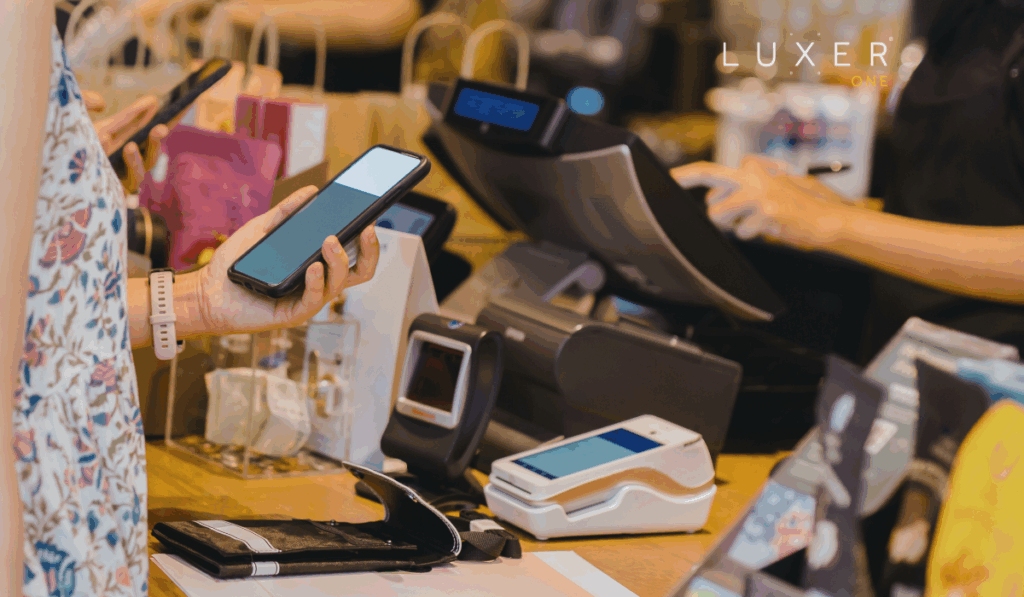
return and purchase at retail counter

Real-Time Inventory Accuracy

Inventory accuracy is the foundation of every successful omnichannel strategy. BOPIS and same-day pick up depend on customers trusting that an item shown as available online can actually be fulfilled by a nearby store. When inventory data is inaccurate, retailers face canceled orders, poor customer experiences, and wasted labor.

IHL research shows that inventory distortion, including out-of-stocks and overstocks, continues to cost retailers hundreds of billions annually. In an omnichannel environment, even small discrepancies can have an outsized impact. Retailers that support BOPIS and BORIS effectively invest in systems that provide near real-time inventory visibility across ecommerce platforms, POS systems, and store operations. Reducing fulfillment errors and improving customer confidence should be at the forefront.

inventory distortion, including out-of-stocks and overstocks, continues to cost retailers hundreds of billions annually

Omnichannel In-Store Fulfillment

Supporting omnichannel fulfillment adds layers of complexity to daily store operations. Orders must be received, prioritized, picked, staged, and handed off quickly, often alongside traditional customer service responsibilities. Without defined workflows, associates spend valuable time searching for items, managing staging areas, or resolving fulfillment issues.

As omnichannel volume increases, many retailers discover that their stores were not designed to function as fulfillment hubs . Physical stores now play a dual role as both shopping destinations and local fulfillment centers. To support this shift, retailers are rethinking store layouts to include dedicated fulfillment zones that support pick ups and returns without disrupting merchandising or foot traffic. Flexible infrastructure allows stores to scale fulfillment operations as demand grows, without requiring major renovations or additional square footage.

Labor remains one of the top operational challenges for retailers, with many stores operating understaffed while handling higher fulfillment volume than ever before. Retailers that succeed with BOPIS and same-day pick up establish workflows that reduce staff time, eliminate guesswork, and allow teams to process orders efficiently even during peak hours.

Efficient Pick Ups & Returns

The handoff for pick ups and returns is one of the most critical moments in the omnichannel experience. Long wait times, crowded counters, and manual verification processes create frustration for customers and increase operational risk for retailers. BORIS transactions further complicate the process, requiring accurate order validation and inventory updates in real time.

Retailers have consistently identified shrink and organized theft as growing concerns , particularly in environments with frequent handoffs and unattended orders. Retailers need a solution for pick ups and returns that protects merchandise, reduces human error, and creates a faster, more predictable customer experience. Secure handoff processes are essential not only for customer satisfaction, but also for loss prevention.
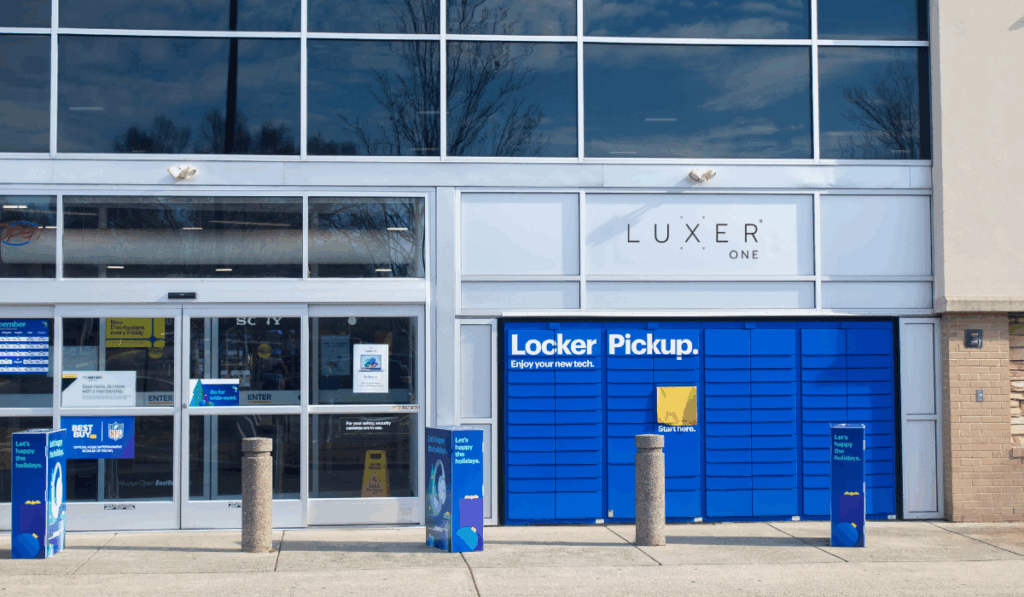
Blue, BOPIS smart lockers from Luxer One at door of retail store

Where Smart Lockers Fit Into Omnichannel Retail

Technology can significantly ease the burden on store associates by:

  1. reducing manual steps
  2. simplifying handoffs
  3. and enabling customers to complete pick ups independently


As retailers look to strengthen their omnichannel capabilities, smart locker systems are increasingly used to support BOPIS, BORIS, and same-day pick ups. Lockers provide a controlled environment for staging orders, reduce congestion at pick up counters, and allow customers to retrieve items on their own schedule.

From an operational standpoint, smart lockers help reduce shrink risk, shorten pick up times, and eliminate unnecessary associate involvement in routine handoffs. For retail environments, solutions like Luxer One’s smart lockers integrate into existing store workflows. Lockers enable scalable fulfillment without adding complexity or labor strain. 

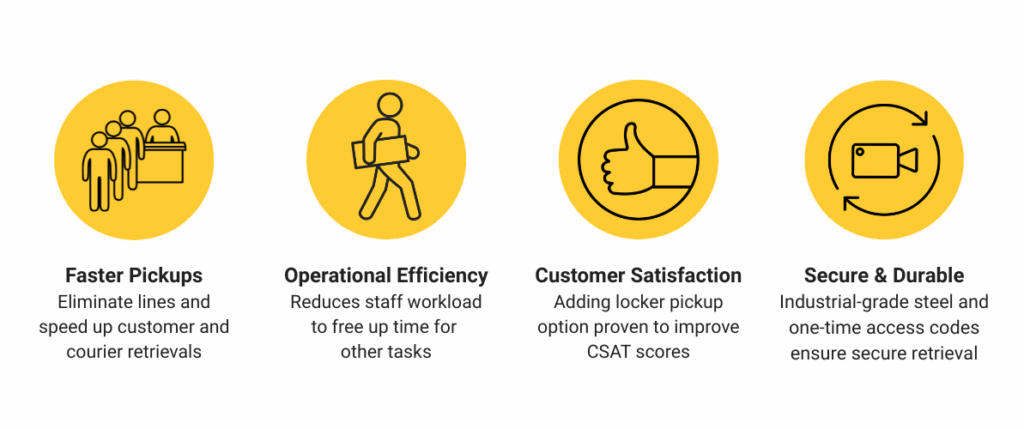
Luxer One lockers for retail benefits

Building an Omnichannel-Ready Store

Supporting BOPIS, BORIS, and same-day pick up requires more than technology alone. It demands accurate inventory, intentional workflows, secure handoffs, flexible space, and tools that help retailers do more with less. Retailers that invest in these foundations are better positioned to meet customer expectations, protect margins, and adapt as fulfillment models continue to evolve.

As NRF continues to highlight the convergence of digital and physical retail, one thing is clear: the future store is not just a place to shop, but a place built to fulfill.

Contact us to learn more about Luxer One Smart Lockers for retail operations.

  • Lauren Buote

    Lauren Buote is a Marketing Coordinator at Luxer One who blends her fine arts background from North Carolina State University, with marketing experience in small businesses and museums. She specializes in content and design that support Luxer One’s storytelling and brand growth in the Commercial sector.

    See Posts

RECENT POSTS

The State of the Multifamily Market: Stability Is Returning, but Discipline Still Matters

The State of the Multifamily Market: Stability Is Returning, but Discipline Still Matters

After several years of volatility, the state of the multifamily market entering 2026 feels more predictable than it has since the early post-pandemic period. Rent growth has normalized, supply pressures are beginning to ease in many metros, and demand fundamentals are slowly strengthening. However, this is not a return to the high-growth environment operators experienced earlier in the decade.
Instead, the Q1 2026 outlook reflects a market where stability is returning, but performance depends heavily on operational discipline, cost control, and resident experience. Properties that adapt to this reality are finding steadier footing. Those that rely on outdated assumptions or inefficient systems may struggle to keep pace.
This Q1 2026 multifamily market report breakdown explores what the latest data is telling operators and what it means for day-to-day decision-making.

Read More »
Smart Lockers for Asset Exchange and Package Management in the Modern Workplace

Smart Lockers for Asset Exchange and Package Management in the Modern Workplace

Workplace operations have changed dramatically in recent years. Hybrid schedules, distributed teams, and higher expectations for speed and accountability have reshaped how offices manage equipment, documents, and deliveries. As a result, many organizations are rethinking how assets move through the workplace.
That shift is driving increased demand for smart lockers for asset exchange and package management, a secure and automated solution designed to reduce loss, streamline workflows, and scale with enterprise operations. For workplace managers and operations directors, smart lockers are no longer a convenience. They are becoming a core infrastructure tool for the modern workplace.

Read More »
How to Save Time and Money with Package Management at Apartments

How to Save Time and Money with Package Management at Apartments

Smart lockers and package rooms have become essential infrastructure for modern apartment communities. They create secure, self-service delivery workflows, reduce front office congestion, and give residents flexibility to pick up packages on their own schedule.
For many communities, these systems already do most of the heavy lifting. But at larger properties or across growing portfolios, even the best package management technology benefits from consistent human support.
That is where onsite package management staff come in. When paired with smart lockers and package rooms, they help communities save time and money with package management by ensuring systems are used properly, residents are supported, and onsite teams stay focused on higher-value work.

Read More »
Unlocking Revenue with Smart Lockers: A Strategic Response to Online Cart Abandonment

Unlocking Revenue with Smart Lockers: A Strategic Response to Online Cart Abandonment

Online cart abandonment is not a new problem, but it is becoming a more expensive one.
As ecommerce has matured, shopper expectations have risen just as fast. Convenience, flexibility, and control now play as large a role in conversion as price or product availability. When those expectations are not met, shoppers hesitate, leave, and often do not return.
For retail operations leaders, cart abandonment should no longer be viewed as just a marketing or UX issue alone. It’s also a fulfillment and operational challenge, and one that demands a more strategic response.

Read More »

TOPICS

Share: