




The multifamily housing industry is entering 2026 with a mix of optimism and caution. New supply pipelines, shifting resident expectations, and tightening budgets are reshaping how property managers operate. While many of these trends have been building for years, 2026 will be the year they converge, putting more pressure on efficiency, service quality, and decision-making at every level.
To stay ahead, regional and property managers will need to plan strategically, invest in automation, and strengthen partnerships that can withstand the next wave of industry change.
1. Rising Operating Costs and NOI Pressure
Expense growth continues to outpace rent growth, putting net operating income (NOI) under increasing strain. According to Yardi Matrix data, expenses per unit grew by 1.3 % for market-rate housing during the first half of 2025.
This squeeze on margins is expected to persist through 2026 as replacement costs and insurance premiums remain volatile. Property managers will need to refine their budgeting practices, differentiating clearly between operational and capital expenses while forecasting for multiple economic scenarios.
Strategy: Use data-driven budgeting tools and scenario modeling to plan for variable costs early in the year. Luxer One’s Multifamily Budget Planning Guide for 2026 offers strategies for identifying flexible funding sources and rebalancing operational priorities to protect NOI.
Average multifamily expenses rose 6% year over year in 2025, while rent growth slowed to under 1%.
2. New Supply, Slower Absorption, and Rising Concessions
After several years of record construction, 2026 will see continued high levels of apartment completions in many markets. Yardi Matrix projects that over 500,000 new units will deliver nationwide by midyear, most heavily concentrated in the Sun Belt and Midwest.
While new supply brings fresh options for renters, it also means tougher competition and higher concessions in oversupplied metros. For regional managers, this challenge will center on differentiation. The priority will be standing out not just through aesthetics, but through convenience, service, and technology.
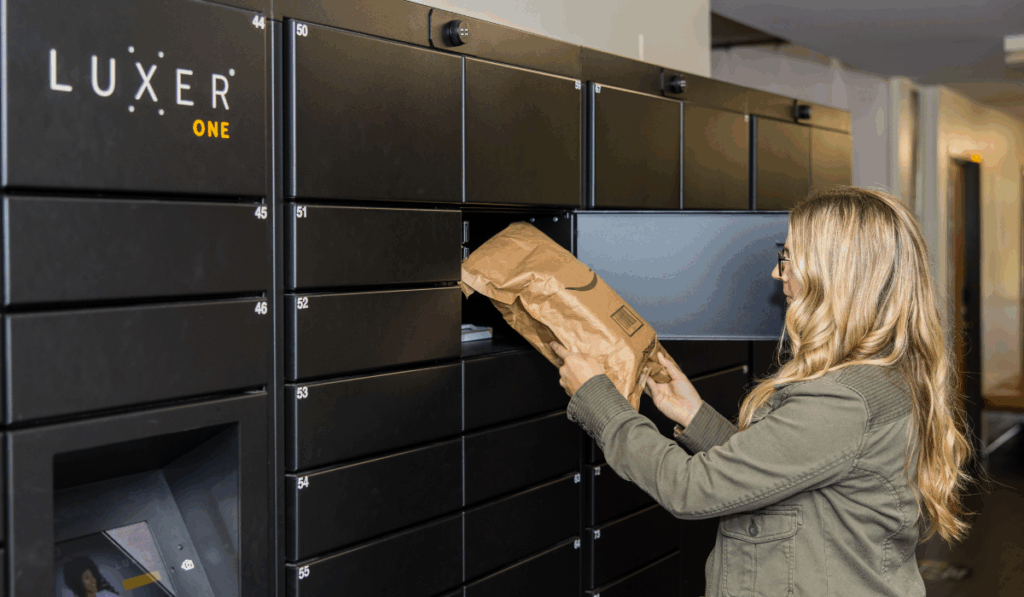
Strategy: Invest in amenities that add daily value, such as automated package management systems that give residents reliable, secure, and 24/7 access to deliveries. Explore Luxer One’s Multifamily Solutions to learn how automated lockers and package rooms help properties stand out in competitive markets.
3. Retention Challenges and the Service Gap
As economic pressures mount, resident retention will become one of the biggest challenges for property managers in 2026. Industry surveys show that responsiveness and communication now rank higher than amenities in determining renewal intent. Yet many property teams struggle to keep pace with service expectations due to staffing limits and growing workloads.
When service quality slips, it creates a costly turnover cycle with lost renewals, increased marketing spend, and time-consuming onboarding for new residents. Encourage residents to share feedback regularly and use survey data to prioritize service improvements.
Strategy: Streamline communication and task tracking through automation. Automated package systems reduce resident frustration by eliminating lost or delayed deliveries, while services like Luxer Liaison help property teams proactively monitor locker and/or room performance and coordinate carrier support.
Download Luxer One’s Guide to Package Management to see how technology can ease workload pressure and boost satisfaction.
Package management alone can consume up to 2 hours of staff time daily, time that could be spent improving resident experience.
4. Vendor Reliability and Long-Term Stability Risks
One of the most overlooked multifamily challenges in 2026 will be vendor reliability. The last two years have seen several technology and service providers consolidate, restructure, or exit the market entirely. For property managers, this creates risk exposure when systems go unsupported or contracts lapse without backup.
Vendor stability now matters as much as price. A short-term deal can become a long-term headache if support disappears or if the vendor fails to scale with your community’s needs.
Strategy: Evaluate vendors based on long-term reliability, service infrastructure, and financial stability. Request detailed service level agreements (SLAs) and escalation procedures before signing.
Luxer One’s perspective on vendor reliability is outlined in the Reliable Partners blog, which highlights key red flags to avoid and what a lasting partnership should deliver.
5. Efficiency and Staffing Strain
Even with technology adoption on the rise, staffing challenges remain one of the biggest operational hurdles for property managers. Many teams are still managing more residents per employee than before 2020, and labor costs continue to climb.
Automation is now the clearest path to efficiency. Self-service systems like Luxer One’s automated package lockers and Luxer Liaison service reduce repetitive manual work, giving staff time back for higher-value interactions. When paired with resident self-service tools, properties can improve both speed and satisfaction while reducing turnover stress.
Strategy: Conduct a workflow audit to identify which daily tasks can be automated. Start with package management, maintenance ticketing, and resident communication. The time saved quickly compounds across teams.
Conclusion: Building Resilience for 2026
The coming year will challenge property managers to balance cost control, resident satisfaction, and operational agility in ways that demand smarter systems and stronger partnerships. Those who proactively adapt to these changes will not only stay competitive but set a new standard for efficiency and reliability in multifamily living.
As you prepare for 2026, consider how automation, vendor stability, and resident experience can work together to strengthen your property’s performance.
Contact Luxer One to learn how modern package management and support services can help your community overcome the top challenges facing property managers in 2026.