


LUXER ONE BLOG

What Younger Shoppers Want: Understanding Retail Through the Habits of Gen Z and Millennials

Retail is being redefined by the rising influence of Gen Z (13-28 years old) and Millennials (29-44 years old). These generations are redefining consumer spending habits, as they shop, spend, and engage with brands in fundamentally different ways than their predecessors. Retailers who want to thrive in this modern landscape must understand that traditional tactics no longer apply. It’s not just about chasing trends, it’s about aligning with new values, behaviors, and convenience.

Digital-Driven, Socially Influenced

Gen Z and Millennials are digital natives, but that doesn’t mean they’re exclusively shopping online. Instead, they blend digital and physical channels seamlessly, often researching online before visiting a store. More shoppers than ever are discovering products through social media. In fact, 87% of buyers say social media helps them make shopping decisions. Platforms like TikTok, Instagram, and Pinterest have become modern-day shopping malls, places where trends are born and buying happens in real time. In-app shopping is on the rise, with features like TikTok Shop, Instagram Checkout, and Pinterest’s “Shop the Look”. The entire path from discovery to conversion is being collapsed into a single platform with just a few clicks.

For these generations, authenticity matters as much, if not more, than aesthetics. But it’s not just about big-name influencers, micro-creators and peer reviews often carry just as much (if not more) credibility. For these shoppers, trust is earned through authenticity, not celebrity. This digital influence extends beyond product discovery to post-purchase engagement. Younger shoppers want to tag brands, post unboxings, write reviews, and receive fast, human responses to questions. The customer journey doesn’t end at checkout, it continues through interactions, updates, and shared experiences.

retail trends

Price Conscious but Value Obsessed

While Gen Z and Millennials are careful with their spending, especially in times of economic uncertainty, they’re not necessarily frugal. Instead, they’re highly intentional. They’ll splurge on products that offer quality, longevity, and multifunctionality, and they’ll abandon a purchase in seconds if shipping costs or return policies seem unreasonable. Value is defined less by sticker price and more by what the product or experience delivers in return: time saved, effort reduced, or needs met in creative ways.

Multifunctionality is highly prized. Younger consumers gravitate toward items that serve multiple purposes or solve more than one problem. A high-performance water bottle that tracks hydration? A beauty serum that combines skincare with SPF and tint? A pair of shoes that works for both the gym and the office? These are the kinds of products that get attention, and repeat purchases.

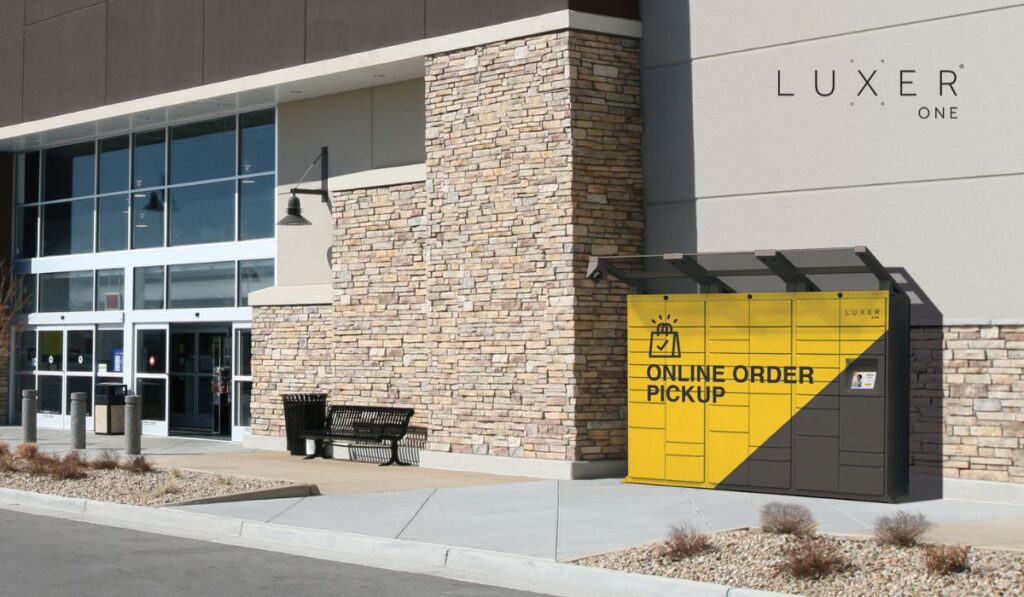
Convenience is part of the value equation. That’s why these shoppers prioritize flexible fulfillment options like curbside pickup and buy online-pick up in store (BOPIS). Instead of roaming aisles, younger shoppers prefer streamlined experiences where purchases can be made and scheduled for pickup within minutes. It’s all about speed, control, and efficiency.

retail trends

Inclusivity, Sustainability, and Ethical Alignment

Shopping is no longer just a transaction for these generations, it’s personal. More than any previous generation, Gen Z and Millennial shoppers expect brands to stand for something meaningful. Price and product matter, but a brand’s values often tip the scales. Whether it’s sustainability, inclusivity, or ethical labor practices, younger shoppers increasingly put their money where their beliefs are.

Inclusivity is a baseline, not a bonus. These generations look for diverse representation in marketing, product design, and customer service. Clothing retailers that offer extended sizing or beauty brands that create foundation for every skin tone, are not only celebrated but expected to meet these standards. If a brand falls short, younger consumers are quick to notice and disengage.

Sustainability is another major factor in the buying decision. 61% of consumers agree environmental issues are having an adverse impact on their current and future health, and are willing to pay more for products that are sustainable. This means recyclable packaging, transparent supply chains, carbon-neutral operations, and products designed with longevity in mind. A fast, cheap product that creates unnecessary waste is likely to lose out to a slightly more expensive one that aligns with eco-conscious values.

retail trends

Where Luxer One Fits In

Luxer One helps brands close the loop between digital discovery and physical fulfillment, offering flexible, secure, and contactless pickup experiences that meet the convenience standard of younger shoppers. Our lockers streamline operations for retailers while delivering the fast, self-directed service modern consumers expect. We prioritize sustainability and eco-friendly initiatives, proven to use less energy than other locker companies, and using at least 70% recycled steel in our products. It’s a small part of the larger customer journey, but one that increasingly matters when satisfaction and loyalty are on the line.

BOPIS

Understanding retail needs of the younger generation, means meeting the demand for faster, smarter shopping. With Luxer One’s self-service BOPIS lockers, give them the convenient and flexible shopping they want. Our secure, contactless pickup system enhances your in-store experience, reduces wait times, and frees up staff, so your customers can shop on their schedule, not yours.


Add Luxer One lockers to your retail location and streamline BOPIS today, contact us today!

RECENT POSTS

The Amenities Students Care About Most in New Housing

The Amenities Students Care About Most in New Housing

When you’re planning or upgrading student housing, knowing which amenities students care about most is essential. With competition high and enrollment demand staying strong, what students expect from their living environment is evolving.
Here’s a look at the key trends in U.S. student housing, and how a forward-looking feature like automated package management for student housing can give you an edge.

Read More »
How Smart Lockers Can Help Track IT Equipment and Office Assets

How Smart Lockers Can Help Track IT Equipment and Office Assets

Keeping track of IT equipment and other office assets is becoming increasingly complex in today’s hybrid workplaces. Devices move between employees, shared workspaces, and even remote setups, creating constant visibility challenges for operations teams. For office administrators and operations directors, staying in control of these resources isn’t just about organization. It’s about accountability, security, and cost savings.
So how can you efficiently track IT equipment and manage office assets without adding more manual work? Smart lockers are quickly emerging as the solution.

Read More »
How to Improve the Resident Experience with Package Management

How to Improve the Resident Experience with Package Management

In today’s multifamily housing landscape, the “resident experience” has evolved from a bonus to a baseline expectation. Renters expect smart amenities, reliable services, and frictionless daily living. Few areas impact that more directly than how their packages are handled.
With online orders reaching record highs each year, package management has become a cornerstone of modern multifamily operations. But how exactly can better systems improve resident satisfaction? Let’s take a closer look.

Read More »
Holiday Helpers: How Luxer Liaisons Make Holiday Deliveries Seamless

Holiday Helpers: How Luxer Liaisons Make Holiday Deliveries Seamless

Every year, the holiday season brings a mix of cheer and chaos to multifamily communities. As online shopping peaks, package rooms overflow and staff scramble to manage the influx. Between Black Friday and New Year’s, package volume across Luxer One properties can surge by 50% or more, according to internal data referenced in this holiday preparation blog.
For residents, that means longer wait times and missed notifications. For property teams, it means overextended schedules and operational headaches. The result? A season that should build goodwill with residents can instead become one of the most stressful times of the year.
Fortunately, there’s a better way to make holiday deliveries seamless, and it starts with dedicated, on-site support.

Read More »
How to Automate Your Office Mailroom with Smart Package Systems

How to Automate Your Office Mailroom with Smart Package Systems

In today’s workplace, the volume of incoming packages and mail at corporate offices is higher than ever. From vendor shipments to employee-online orders, mailrooms are under pressure. If your team still relies on manually logging delivery slips, paging recipients, or stuffing dozens of parcels into storage rooms, it’s time to rethink the workflow.
In this article we’ll answer your key questions on how to automate your office mailroom. We’ll discuss how modern smart package systems are designed not just for letters but full-scale package management. These types of package solutions for offices help you streamline operations, improve security, delight employees, and support sustainability goals.

Read More »

TOPICS

Share: