

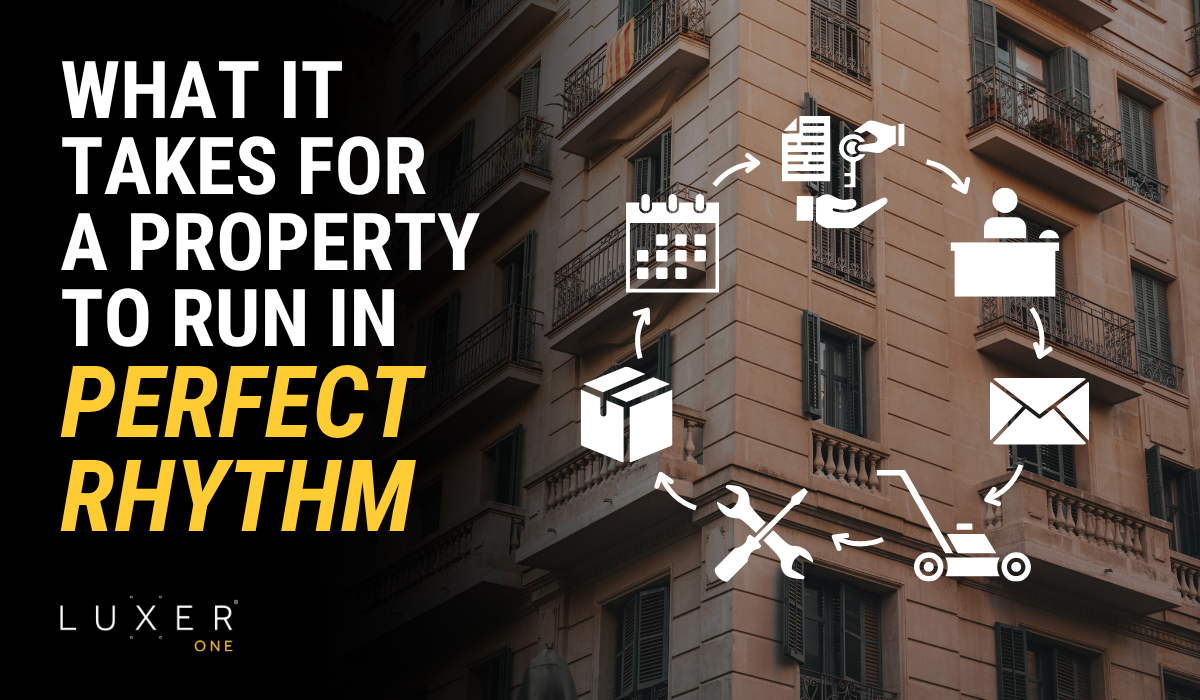
Heading into Apartmentalize 2026, multifamily communities are looking to bring harmony to their operations. Most property managers and regional managers don’t describe their job as managing amenities or overseeing systems. They describe it as keeping everything moving.
Leasing. Renewals. Maintenance requests. Resident communication. Vendor relationships. Staff coverage. And somewhere in the middle of all of that, making sure the day-to-day experience of actually living in their community feels effortless for the people who call it home.
That is a lot to hold together. And the bar keeps rising.
The Pressure Is Different Now
The multifamily industry has changed meaningfully over the past few years. Teams are leaner. Centralization is reshaping how properties are staffed. Regional managers are overseeing more communities with fewer people on the ground.
The phrase “do more with less” has become so common that it almost doesn’t register anymore.
But the weight behind it is real.
When a maintenance request sits too long, a resident notices. When a package goes missing, a resident notices. When something that should just work doesn’t, a resident notices. And those small frustrations compound. They show up in reviews, in renewal decisions, and in the daily morale of the teams trying to hold it all together.
The industry has been discussing this shift for some time. Residents are staying longer, evaluating value more carefully, and making renewal decisions earlier than they used to. They are not just looking at what a community offers. They are looking at how reliably it delivers on that promise every single day.
That changes the stakes of operations in a meaningful way.
Resident Expectations Have Not Slowed Down
Even as budgets tighten and teams get smaller, resident expectations have continued to grow.
Today’s resident expects technology to work the first time. They expect amenities to be available when they need them. They expect communication to be timely and clear. And when something falls short, they have less patience for it than they might have had five years ago.
This is not a complaint. It is the reality of the market.
Residents are choosing between options. They are comparing experiences. And in a market where the difference between renewing and leaving can come down to a handful of frustrating moments, reliability is not a nice-to-have feature.
Reliability is the product.
The properties that understand this are not necessarily spending more. They are being more deliberate about what they commit to and more selective about the partners and systems behind it. As we’ve explored before, execution matters more than tools. A community can have every amenity on the list and still fall short if those amenities don’t actually work.
When One Thing Is Off, Everything Feels Off
There is a reason the phrase “perfect rhythm” resonates with people who work in property management.
A property in rhythm feels almost invisible. Things happen the way they are supposed to. Staff are focused on residents, not problems. Residents move through their day without friction. Nothing urgent is constantly pulling the team sideways.
A property out of rhythm feels the opposite.
One broken system creates noise that spreads. A package situation that should take two minutes takes twenty. A resident complaint that should be straightforward turns into a chain of follow-ups. A maintenance issue that should be routine becomes a signal that things are slipping.
It is rarely one catastrophic failure. It is the accumulation of small ones.
And for regional managers trying to assess performance across multiple communities, that accumulation is very hard to ignore. It shows up in survey scores, in staff turnover, in occupancy trends, and eventually in NOI.
What Rhythm Actually Requires
Getting a property to run well is not about perfection. It is about building an environment where the fundamentals are consistent enough that your team can focus on the things that actually require human judgment, care, and connection.
That means staffing structures that match the reality of what the community needs. It means technology that integrates cleanly and doesn’t require constant intervention. It means amenities and utilities that residents can count on without having to think about them.
When those foundations hold, everything else gets easier.
Leasing teams have more energy for relationship building. Maintenance staff can stay ahead of requests instead of reacting to them. Regional managers can spend their time on strategy instead of triage.
That is also what drives retention. Not the flashiest amenities. Not the most aggressive concessions. The quiet confidence of a community that simply works.
The Role of Reliable Infrastructure
One of the most overlooked contributors to operational rhythm is the infrastructure residents interact with daily.
Package management is a clear example. It is not a glamorous amenity. But it is one of the most frequent touchpoints a resident has with their community. When it works, residents don’t think about it. When it doesn’t, they feel it every time a delivery goes sideways or a trip to the office turns into a twenty-minute problem.
The same is true for utilities, connectivity, and other core services. When these systems hold up consistently, they become invisible in the best way. When they don’t, they become a source of daily friction that wears on residents and staff alike.
Infrastructure is not background noise. It is the rhythm section.
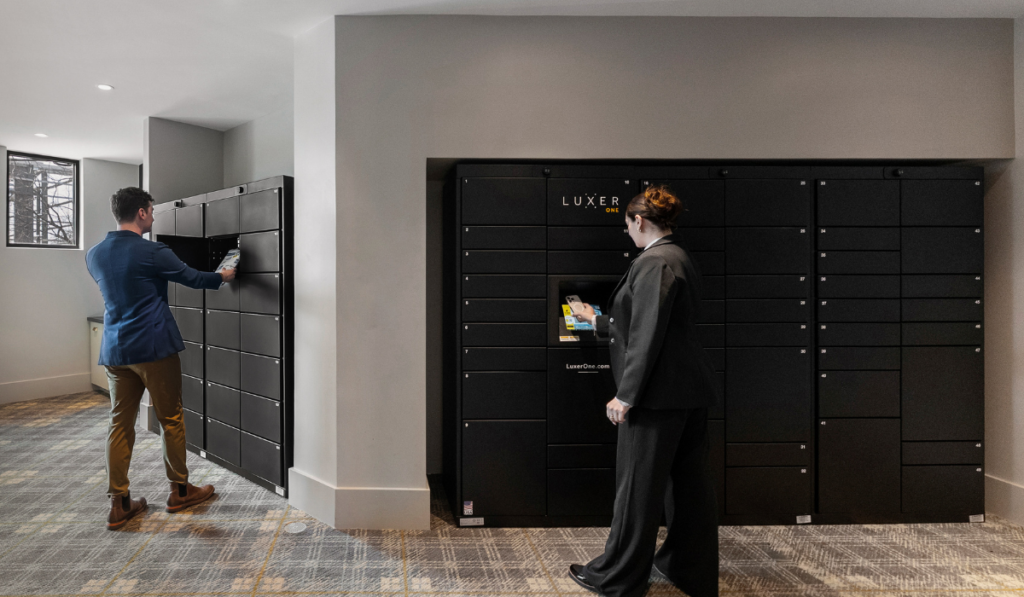
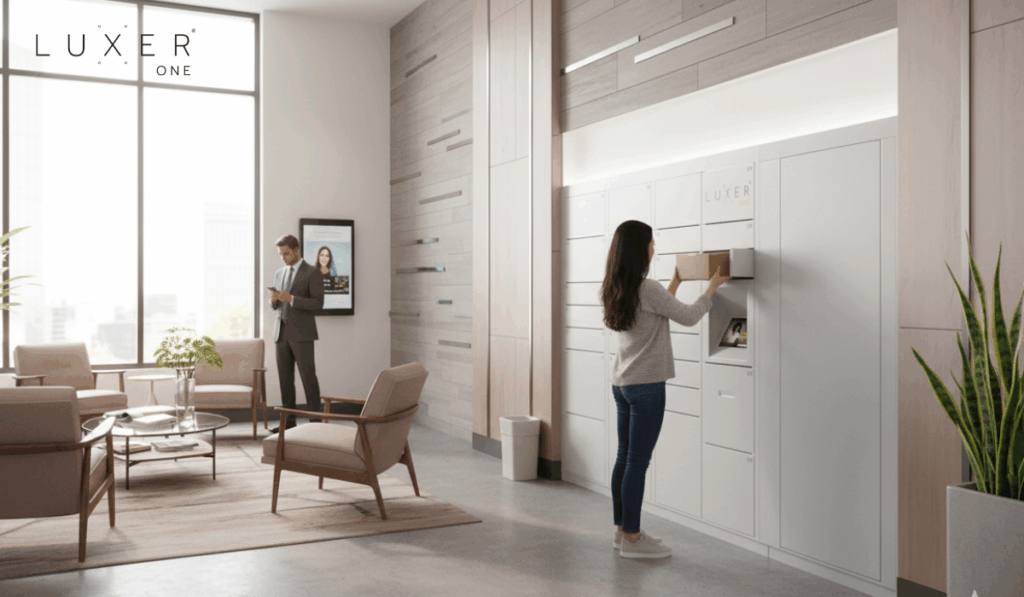
At Luxer One, this is the problem we have spent years focused on. Package lockers and rooms that work reliably at any volume. Scalable support through Luxer Liaison for communities that need on-site expertise. And resident-facing Level-Up plans that turn a utility into a genuine perk, with features like household accounts, unlimited returns, exclusive discounts, and return to sender services.
None of it’s about adding more. It’s about making what matters work better.
We’ll See You in New Orleans
As we head into Apartmentalize 2026, these are the conversations we are most looking forward to having. Not product demos for their own sake, but real discussions about what it takes to build communities that run well, sustain resident satisfaction, and support the teams responsible for making it happen every day.
We are also bringing something new to the show floor this year. Something we think will add to that conversation in a meaningful way.
If you are heading to New Orleans, we would love to connect. Stop by Booth #2347 and see what we have been working on.
Looking to connect now? Get in touch with the button below!
-
See Posts
Christina Draper, Marketing Content Manager at Luxer One, creates storytelling-driven content that connects with property management professionals and highlights innovations in multifamily package management. With a marketing background from UNC Charlotte, she develops cross-channel campaigns that showcase how Luxer One is redefining the resident experience.