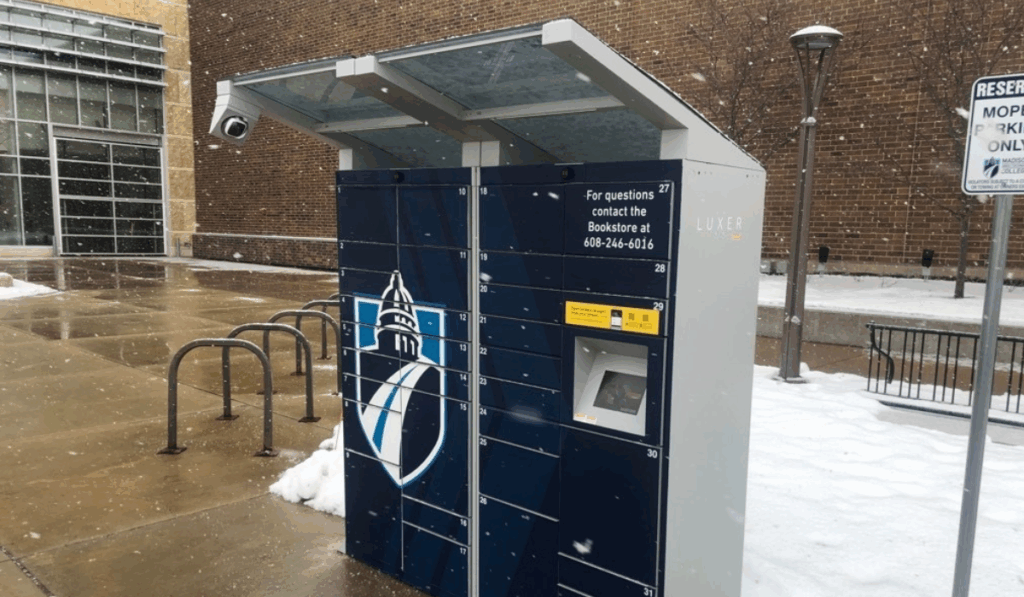




Cold weather brings more than just resident complaints about icy sidewalks. Freezing temperatures, snow buildup, and moisture intrusion can quietly impact outdoor smart locker systems if they are not properly prepared. For property managers and on-site teams, winter readiness is less about emergency fixes and more about preventative care that keeps package operations running smoothly all season long.
Whether your lockers are fully outdoors or semi-exposed, taking a few proactive steps before temperatures drop can help protect hardware, reduce service disruptions, and extend the life of your system. Here is your practical guide to preparing smart lockers for cold weather.
Start With a Visual Inspection Before Winter Sets In
Before the first freeze, walk the locker area and inspect the system as a whole.
Look for gaps around doors, panels, or seams where moisture could enter and later freeze. Even small openings can allow snowmelt to seep inside and refreeze overnight, putting stress on hinges, latches, and internal components. Make sure locker doors open and close smoothly and that nothing sticks or drags.
Properties considering new installations or evaluating older setups may want to reference established best practices for package locker placement and setup to reduce exposure issues long term.
Keep Snow and Ice From Becoming a Mechanical Problem
Snow accumulation might seem harmless, but repeated freeze-thaw cycles can cause real wear on locker doors and frames.
Assign regular snow removal responsibilities around locker banks, especially after overnight snowfall. Pay close attention to door tracks, thresholds, and areas where melting snow can refreeze. Ice buildup in these areas can prevent doors from sealing properly, which allows cold air and moisture inside.
Avoid using harsh de-icing chemicals directly on locker surfaces. Instead, opt for plastic-safe ice melt products and apply them to surrounding walkways rather than directly on the lockers themselves.
Monitor System Health During Extreme Cold
Cold weather can impact electronics, especially when temperatures swing quickly from freezing nights to milder daytime conditions.
Encourage teams to regularly check system status through the property dashboard. Monitoring connectivity, power status, and system alerts allows issues to be identified early, often before residents even notice a problem. A quick dashboard review during cold snaps can help confirm everything is functioning as expected without requiring physical troubleshooting in bad weather.
If alerts or unusual behavior appear during prolonged cold periods, addressing them early is far easier than dealing with a system outage during peak package volume.
Protect Power and Connectivity Sources
Outdoor lockers rely on consistent power and network connections, both of which can be affected by winter conditions.
Inspect exposed conduits, power sources, and networking equipment for signs of wear or vulnerability. Snow removal equipment, ice expansion, and even temperature-related material contraction can loosen connections over time.
Ensure power sources are protected from standing water caused by melting snow. Even brief exposure to moisture followed by freezing temperatures can create long-term reliability issues if left unaddressed.
Prepare Staff With Simple Winter Protocols
Winter readiness is not just about equipment. It is also about consistency.
Provide on-site teams with a short checklist for cold weather conditions. This might include:
- Clearing snow from locker doors daily during storms
- Reporting doors that feel stiff or slow to open
- Checking the dashboard during extreme cold
- Escalating small issues before they become service disruptions
These simple habits help prevent minor winter wear from turning into larger operational headaches.
Know When Cold Weather Reveals Bigger Issues
Winter has a way of exposing weaknesses in systems that may seem fine during mild conditions.
If lockers frequently malfunction in cold weather, struggle with door alignment, or require repeated service calls after snowstorms, it may be a sign the solution was not built for long-term outdoor use. These warning signs are often early indicators of durability limitations rather than isolated weather-related problems.
Plan Ahead for Extreme Weather Events
While this guide focuses on cold and winter conditions, severe weather preparedness should be part of a broader strategy. Snowstorms, ice storms, and power outages often overlap, and preparation efforts work best when coordinated.
For additional guidance on handling extreme weather scenarios beyond winter conditions, there are broader storm-prep considerations that can help properties stay operational when weather becomes unpredictable.
Winter Readiness Is an Investment in Long-Term Performance
Preparing smart lockers for cold weather is not about overengineering or panic-driven maintenance. It is about protecting a critical amenity that residents rely on daily, especially when weather makes trips to leasing offices or package rooms less appealing.
A few preventative steps now can reduce service calls, protect hardware, and ensure packages continue moving smoothly throughout the winter months.
If you want help evaluating locker durability, outdoor readiness, or long-term performance in challenging environments, talk to our team about solutions designed to perform reliably in every season.
-
Christina Draper, Marketing Content Manager at Luxer One, creates storytelling-driven content that connects with property management professionals and highlights innovations in multifamily package management. With a marketing background from UNC Charlotte, she develops cross-channel campaigns that showcase how Luxer One is redefining the resident experience.
See Posts