Porch Pirates: Unmasking the Impact on Canada’s Communities
In the age of convenience and online shopping, the rise of “porch pirates” has become a growing concern for Canadian communities.
See how Luxer One’s Smart Locker Solutions are revolutionizing package delivery,
bag storage, device management and so much more on the Luxer One blog!

In the age of convenience and online shopping, the rise of “porch pirates” has become a growing concern for Canadian communities.

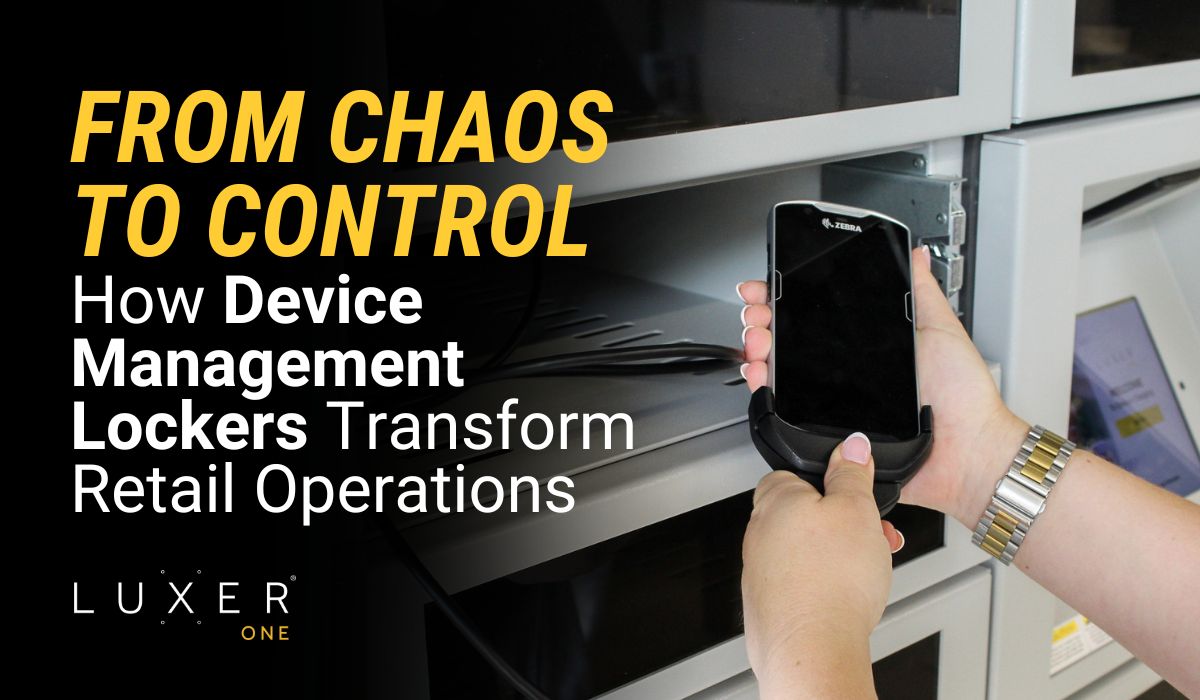
Retail businesses rely heavily on technology, from tablets and mobile scanners to point-of-sale systems. Managing these devices often becomes a logistical nightmare, resulting in lost, damaged, or undercharged equipment. Mismanagement not only slows down operations but can also lead to significant revenue losses.

The security team shouldn’t have to worry about upset fans missing the kickoff to take their bags back to their car. Guests shouldn’t have to worry about the safety of their personal items or leaving them a mile away in their car! Instead, stadiums across the country are beginning to implement self-service, bag drop smart locker systems.

Luxer One redefines package management with a human touch through its innovative Liaison service, blending technology and personal support to enhance resident experiences. Join the journey to connect, engage, and thrive.

Does your package room look like the before shot in this video? If you answered yes, you could be the next property on Total Package Room Makeover!

In a recent USA Today article, “Bridging Disruptions: The Resilient Arc of Supply Chains,” Luxer One’s President, Josh Middlebrooks, provides invaluable insights into the transformative journey of supply chains post-pandemic.

In recent years, building managers have been confronted with a shifting landscape in the real estate industry. The surge in remote work, fluctuating interest rates, and the growing emphasis on environmental sustainability have posed unique challenges to office buildings

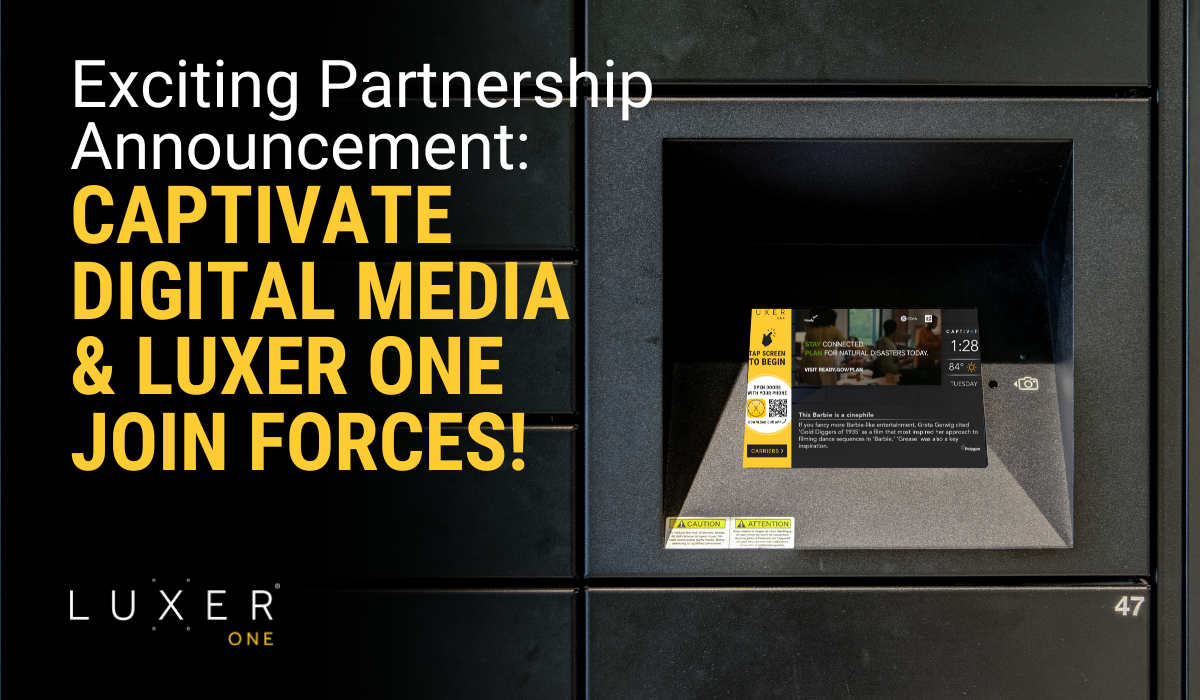
Luxer One is proud to announce a dynamic partnership with Captivate Digital Media, a leading provider of professionally-curated news and entertainment content on digital screens in luxury commercial and multifamily buildings for over 25 years.

Exciting news is on the horizon for those passionate about tech innovation and creative collaboration! Harbor, a division of Luxer One, is proud to announce its expansion to two dynamic and innovation-driven cities: the Bay Area in California and Austin, Texas.

Discover how workplace managers ensure office security, balance data safety, and boost employee happiness in today’s flexible work environment.

If there’s one word I’d use to describe the current state of proptech in multifamily, it’s this: cautious.
We are surrounded by technology. New platforms, new tools, new promises. And yet, adoption across the industry is still slower than many people expected. That doesn’t mean operators aren’t interested. It means they’re being thoughtful. They’re asking the right questions. And frankly, they’re navigating a lot of noise.
As we look toward 2026, I believe the future of proptech in multifamily will be defined less by flashy new tools and more by clarity, consolidation, infrastructure, and long-term flexibility. This is not about chasing trends. It’s about building a foundation that allows properties to adapt, scale, and deliver real value to both staff and residents.


Third party delivery has become a permanent fixture in both retail and quick-service restaurants. As delivery volumes increase and customer expectations tighten, operations leaders are rethinking not just how orders are fulfilled, but how they are handed off. One of the most overlooked friction points in this process is the delivery driver pickup experience.
Smart lockers, originally designed for customer pickup, are increasingly being used as a reliable handoff point for third party delivery drivers. When implemented as part of a BOPIS strategy, smart lockers simplify pickup, reduce in-store congestion, and create a faster, more predictable workflow for everyone involved.

Getting smart lockers approved often has less to do with the technology itself and more to do with how the proposal is framed. Ownership groups, asset managers, and regional leaders are not looking for another amenity request. They are evaluating investments based on operational impact, cost control, and long-term value.
This guide walks through exactly how to write a proposal that speaks their language and positions smart lockers as a strategic improvement, not a nice-to-have.

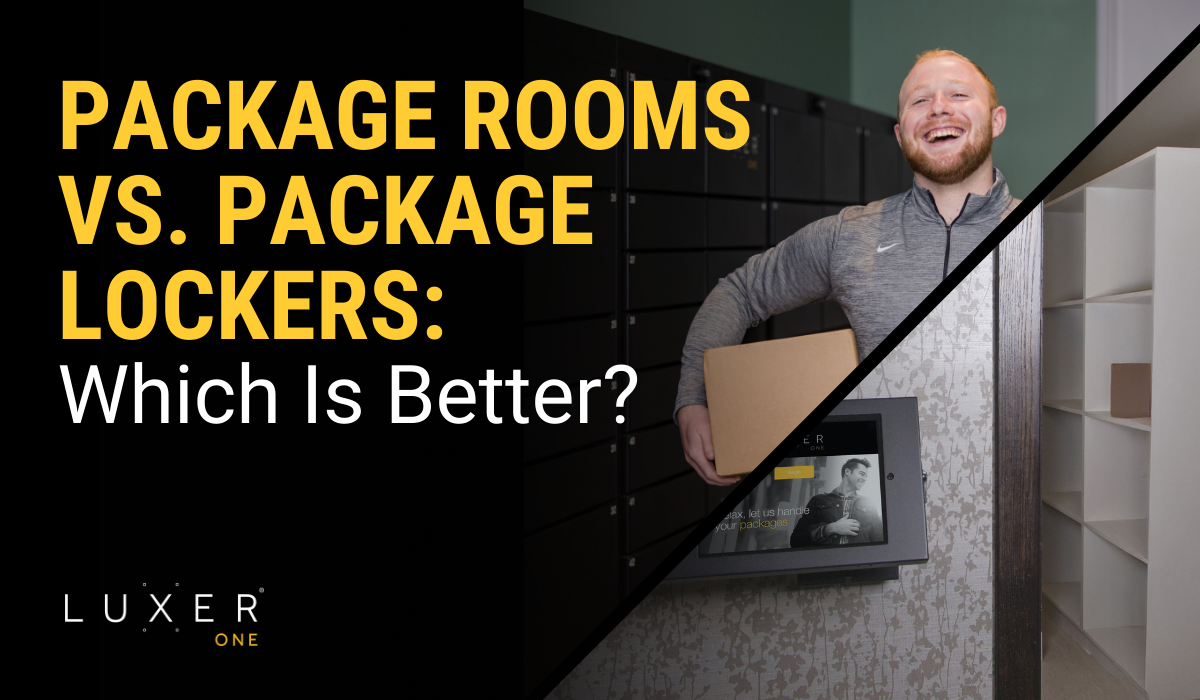
Finding the best package management systems for multifamily communities often comes down to one key question: package rooms vs. package lockers. Both solutions help properties handle rising delivery volumes, reduce staff workload, and improve the resident experience, but each one serves a different operational need.
The right choice depends on your building style, delivery patterns, available space, and long term goals. This guide breaks down the differences, benefits, and limitations of each option to help you make an informed decision.

When you strip away the fancy brochures and amenity checklists, most residents are asking one simple question:
“Does living here actually make my life easier and happier?”
The upgrades that make residents happier are not always the flashiest. In 2025, renters consistently gravitate toward improvements that protect their time, reduce friction in daily life, and make them feel safe, supported, and understood.
Recent renter surveys show a clear pattern. Tech-enabled conveniences, smart design, and practical comfort often outperform luxury features in driving satisfaction.
Here is what truly matters to residents and where smart package lockers naturally fit into the story.

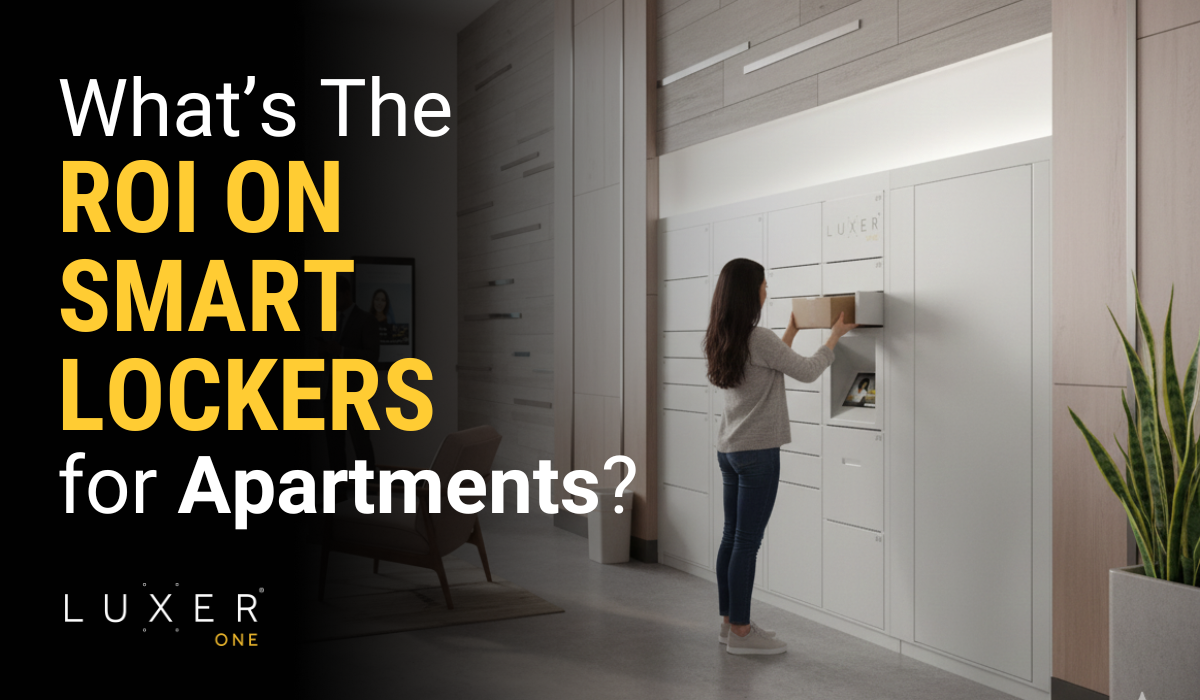
When apartment communities evaluate new amenities, few generate clearer operational and financial returns than automated package systems. Between time saved and improvement to operational efficiency it’s no wonder that properties see significant ROI on smart lockers. Below is a simple breakdown of how to evaluate the return on investment for smart lockers in today’s multifamily environment.

For more than fifteen years, I have worked with locker networks across Europe and beyond, and have seen firsthand how quickly delivery systems can transform when economic pressure meets technological readiness. Today, the global last mile is approaching that same kind of tipping point. Parcel volumes are still rising, labor is becoming more expensive and harder to find, and urban security issues continue to grow. All of this is putting the traditional door to door model under unprecedented strain.
What comes next is not a mystery. It is already unfolding around the world. Smart lockers are becoming essential infrastructure for modern delivery, not a niche add on. In several countries, this shift is already well underway. In others, it is just beginning. But everywhere, the direction is clear.
The next decade of delivery will not be defined by faster vans or more expensive convenience. It will be defined by smarter, more efficient systems that allow carriers, retailers, and consumers to regain control of the last mile.
Smart lockers will be at the center of that shift.

After a turbulent few years of shifting consumer confidence, supply chain recalibration and nonstop digital innovation, retail is entering 2026 with more clarity and more pressure. The last 12 months revealed a shopper who is simultaneously value driven and convenience obsessed, pushing retailers to rethink how stores operate, how fulfillment happens and how technology drives profitability instead of complexity.
As leaders head into the NRF Big Show in New York, the message is clear. 2026 will reward retailers who streamline operations, modernize fulfillment and build flexible omnichannel experiences rooted in real, measurable efficiency. Here is what the latest data, forecasts and industry analyses tell us about the retail landscape ahead.

Retailers face more choices than ever when it comes to fulfillment: ship-to-home, same-day delivery, third-party courier pick-ups, and in-store or curbside pickup (BOPIS – Buy Online, Pickup In-Store). Is the traditional in-person pickup model fading away in favor of delivery and third‐party logistics? Data suggests that in-store/curbside pickup remains not only relevant but increasingly important, in a transformed, omnichannel context.

Package lockers have become an essential amenity in modern apartment communities. With daily delivery volumes rising and residents expecting secure self-service pickup, a well planned locker setup can make a major difference in resident satisfaction and staff efficiency. Below are the top questions property managers ask when planning a successful package locker deployment, along with practical best practices.
Discover practical resources that help you research and understand how others add value with Luxer One.